MarketsMarketWatchJul 9, 2026· 1 min read
IRS Eases Tax Penalties, Offering Relief Amidst Complex Tax Season
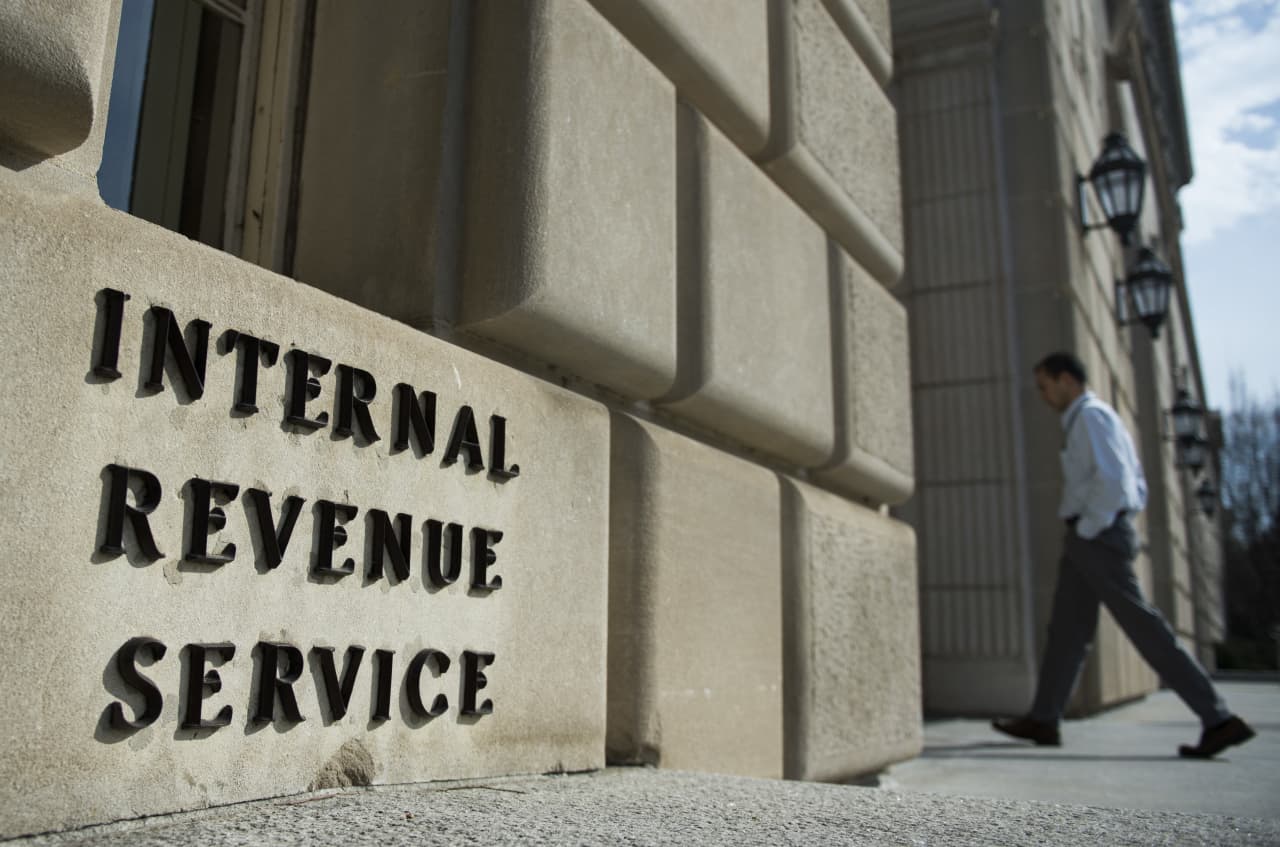
The IRS has introduced new measures to ease tax penalties for underpayment or late filing, a move hailed as a 'major taxpayer win.' This adjustment aims to reduce financial burdens for individuals and businesses navigating tax complexities, offering more flexibility in penalty avoidance.
The Internal Revenue Service (IRS) has announced a significant policy adjustment aimed at simplifying the process for taxpayers to avoid penalties for underpayment or late filing. This move comes as a 'major taxpayer win,' according to advocates, potentially alleviating financial burdens for individuals and businesses navigating a complex tax landscape.
Previously, taxpayers often faced penalties if they failed to pay at least 90% of their total tax liability throughout the year through withholding or estimated payments. The IRS has now expanded its penalty relief options, providing more flexibility for those who may have inadvertently underpaid or encountered difficulties meeting payment deadlines.
The economic implications of this policy shift are noteworthy. For individual taxpayers, it could reduce unexpected financial outlays, potentially freeing up disposable income or savings that might otherwise have been directed towards penalties. For small businesses, which often grapple with fluctuating income and intricate tax compliance, this relief offers a crucial buffer against unforeseen liabilities, contributing to greater financial stability.
While specific details of the expanded relief were not fully elaborated, the general thrust is towards a more lenient approach to penalty assessment, particularly for those who can demonstrate reasonable cause for underpayment or late filing. This policy change could also indirectly reduce the administrative burden on the IRS itself by streamlining penalty dispute processes.
However, it is crucial for taxpayers to understand that this relief does not absolve them of their tax obligations. It primarily addresses penalties, not the underlying tax due. The IRS continues to encourage proactive tax planning and timely payments to avoid future complications, emphasizing that this is a facilitative measure rather than a blanket forgiveness.
Analyst's Take
This IRS leniency, while offering immediate relief, could subtly influence future tax planning behaviors, potentially leading some taxpayers to less stringent quarterly payment habits. The real test will be if this translates into a sustained uptick in consumer spending or business investment, or if it merely cushions the impact of current inflationary pressures, which itself could be a lagged indicator of economic cooling.


