MarketsMarketWatchApr 28, 2026· 1 min read
Starbucks Boosts Outlook Amid Strong Q2 Sales Driven by Younger Consumers
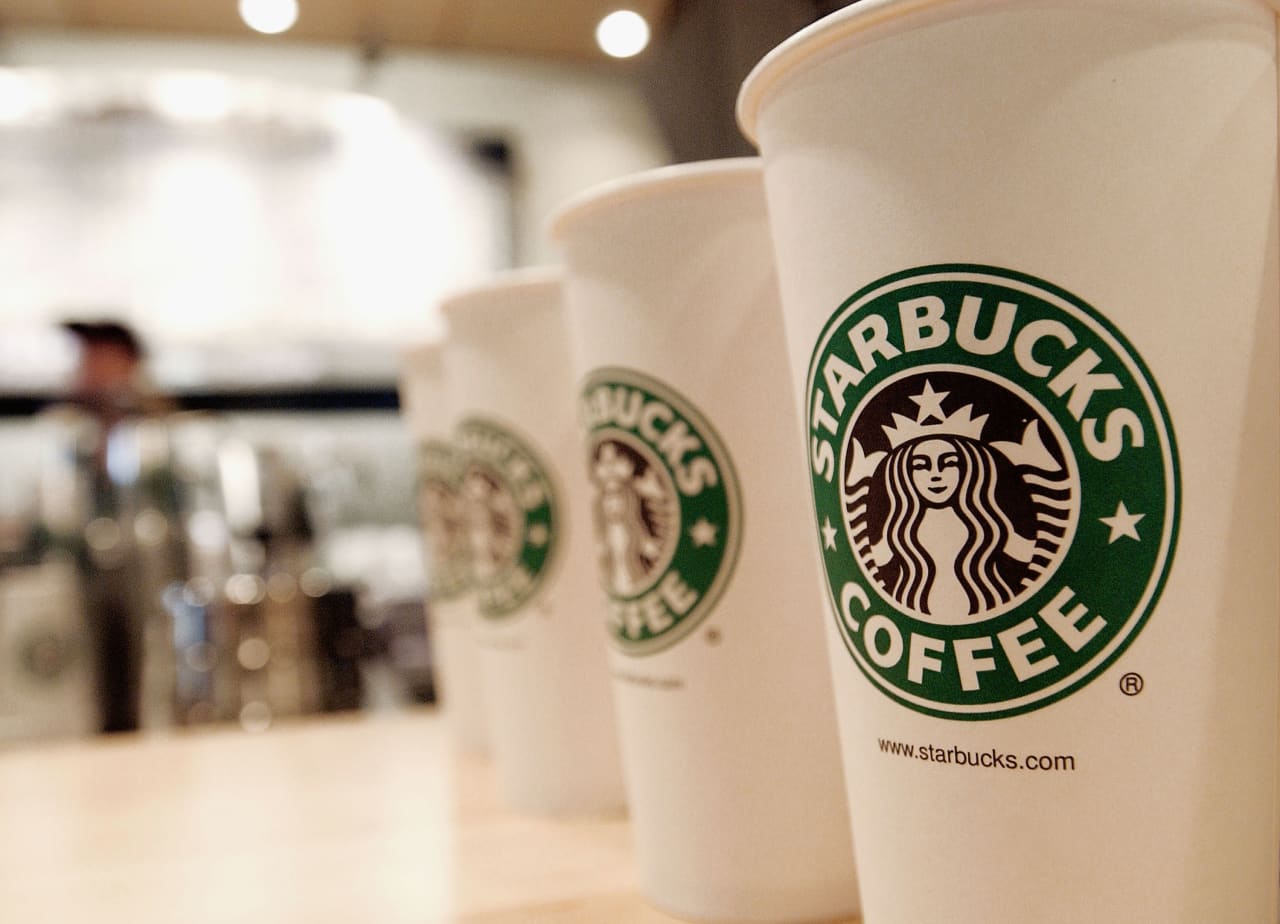
Starbucks has increased its full-year financial outlook following stronger-than-expected second-quarter sales. The coffee chain attributes this resurgence to increased patronage from younger and lower-income customer segments.
Starbucks Corporation (SBUX) has raised its full-year revenue and profit guidance after exceeding Wall Street's second-quarter sales expectations. The coffee giant reported a resurgence in customer traffic, particularly among younger demographics and lower-income consumers, defying broader economic concerns about discretionary spending.
The company's Q2 fiscal results demonstrated resilience, with comparable store sales showing robust growth. This performance was largely attributed to effective marketing strategies targeting Gen Z and other younger cohorts, alongside value offerings that resonated with more budget-conscious customers. Starbucks indicated that its digital engagement platforms and loyalty programs played a significant role in attracting and retaining these customer segments.
While specific revenue figures were not detailed in the provided content, the upward revision of the financial outlook signals management's confidence in sustained demand. This positive trend comes amidst a period where many consumer-facing businesses are navigating inflationary pressures and a potentially softening economic environment. Starbucks' ability to capture market share across diverse income brackets suggests a successful adaptation to current consumer behaviors and economic realities. The improved outlook provides a positive signal for the broader quick-service restaurant and beverage sector, indicating that targeted strategies can unlock growth even in a challenging economic climate.
Analyst's Take
Starbucks' success with value-conscious consumers suggests a potential leading indicator for consumer resilience at the lower end of the income spectrum, counteracting some narratives of widespread discretionary spending compression. This could signal a bifurcated consumer market where 'affordable luxuries' continue to thrive, potentially dampening the anticipated magnitude of a broad slowdown in certain retail sub-sectors, and may see a lagging effect in QSR valuations.


