EnergyOilPrice.comJul 28, 2026· 1 min read
EU Renewables Drive Could Cut Gas Demand 25% by 2030, Halving LNG Imports
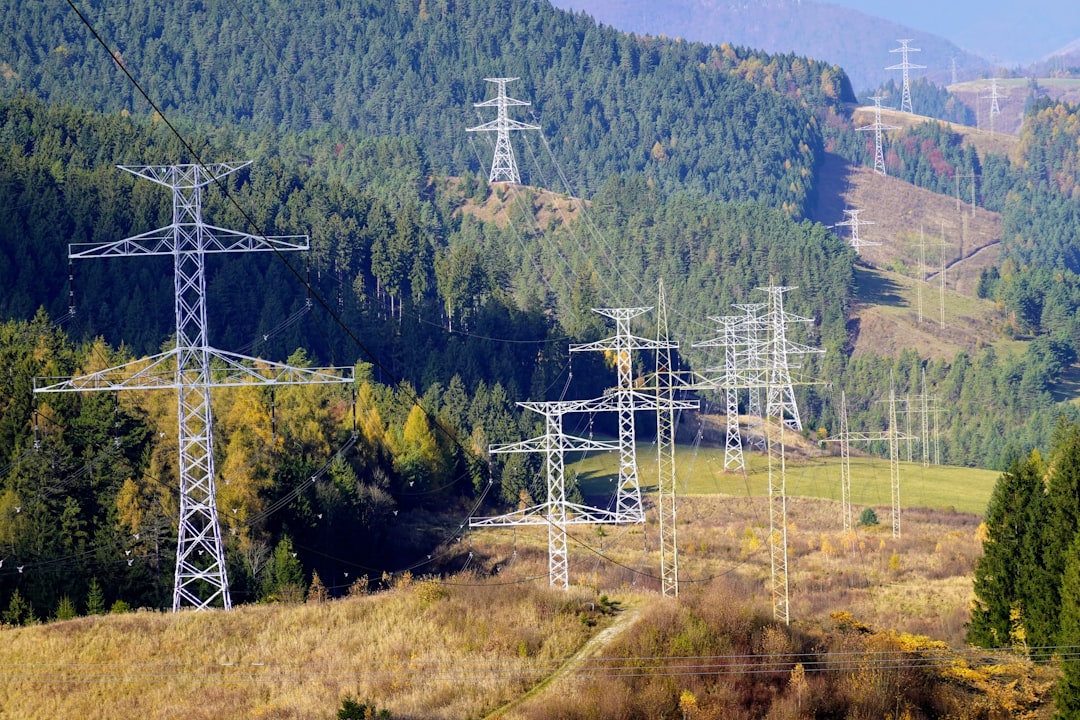
The EU could cut its natural gas demand by 25% by 2030 by meeting renewable energy targets, specifically for heat pumps, solar, and wind. This reduction is projected to save twice the volume of gas currently imported from Qatar, significantly lowering LNG import reliance.
The European Union is on track to significantly reduce its reliance on natural gas, with an estimated 25% decrease in demand by 2030 if it meets its ambitious renewable energy targets. This reduction, driven by accelerated deployment of heat pumps, solar, and wind energy, could lead to substantial savings on liquefied natural gas (LNG) imports.
According to analysis by the Institute for Energy Economics and Financial Analysis (IEEFA), the combined impact of heat pump installations and increased solar and wind generation has already reduced the EU's natural gas demand by 8.8 billion cubic meters (bcm) in 2024. This figure alone is roughly equivalent to two-thirds of the bloc's current LNG imports from Qatar. Looking further ahead to 2030, IEEFA projects that the cumulative effect of meeting these renewable targets could save twice the volume of gas currently imported from Qatar.
The implications for energy security and the EU's trade balance are considerable. A quarter reduction in natural gas demand would translate into significantly lower expenditure on international gas markets, particularly for LNG, which has seen price volatility and supply chain challenges in recent years. This strategic shift is central to the EU's broader energy transition goals, aiming to enhance energy independence and mitigate climate change impacts. The success of these initiatives will hinge on consistent policy support, investment in infrastructure, and timely execution of installation projects across member states.
Analyst's Take
While the headline focuses on reduced gas demand, the second-order effect will be a notable easing of pressure on global LNG spot markets, potentially leading to lower prices for other major Asian buyers and reshaping long-term contracting dynamics. This shift might also reduce the urgency for new European LNG regasification infrastructure post-2030, making some projects financially less viable than currently perceived.