MarketsMarketWatchAug 6, 2026· 1 min read
SoftBank Beats Q3 Forecasts, Intel Investment Proves Key
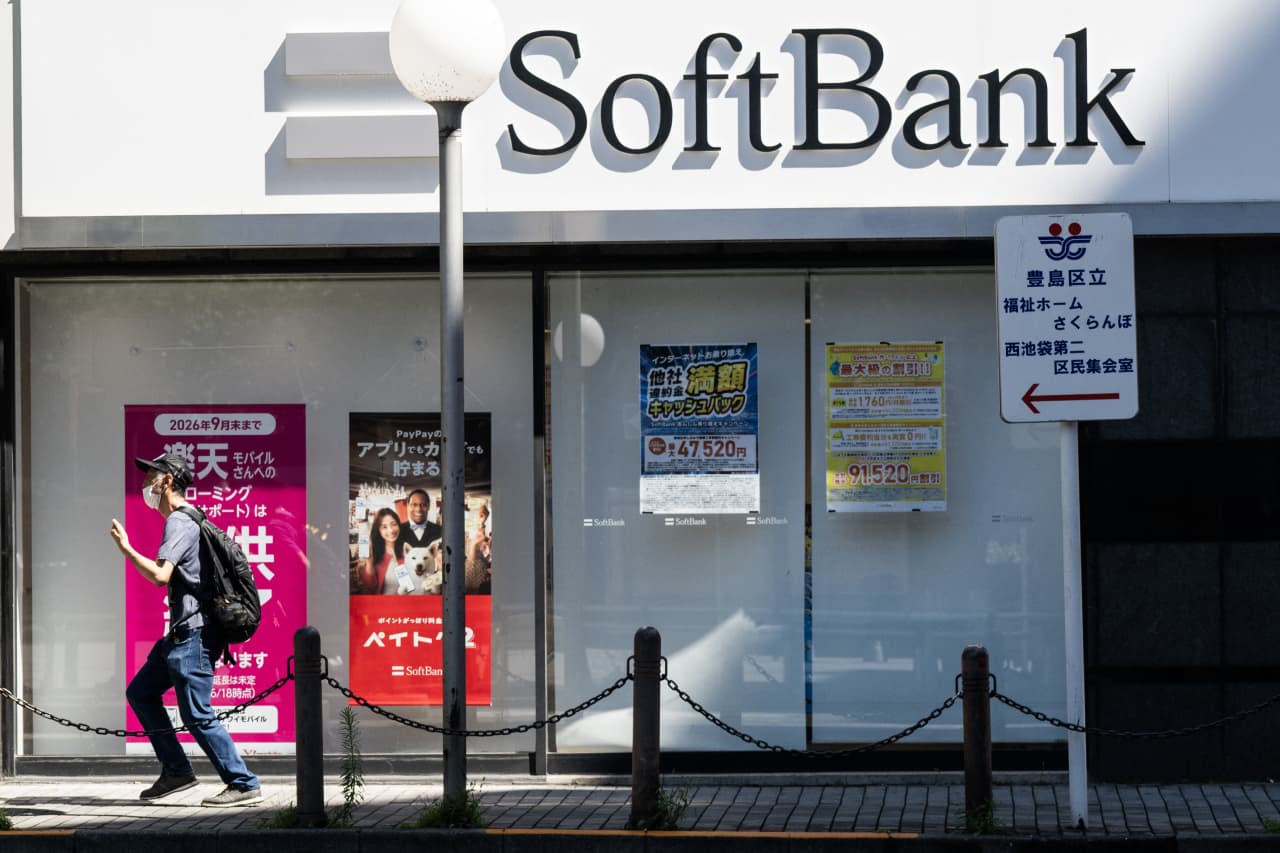
SoftBank's Vision Fund posted a 422.7 billion yen investment gain in Q3, exceeding expectations and reversing previous losses. This strong performance was significantly bolstered by its investment in U.S. chip company Intel, among other holdings.
SoftBank Group (9984.TO) reported a significant return to profitability for its Vision Fund in the third fiscal quarter, exceeding market expectations. The Japanese conglomerate's Vision Fund segment posted an investment gain of 422.7 billion yen ($2.8 billion) for the three months ending December 31, a stark contrast to the 660 billion yen loss recorded in the same period last year. This strong performance was primarily driven by the robust valuation of its holdings, particularly in U.S. chip giant Arm Holdings.
While SoftBank’s strategic investment in Arm (ARM) is a long-standing key asset, the quarter's strong results were notably buoyed by other portfolio companies, with Intel (INTC) playing a crucial role. This diversified performance underscores the Vision Fund's evolving strategy, moving beyond its previous reliance on a few high-profile, often volatile, tech startups.
The improved financial health of the Vision Fund is critical for SoftBank, which has faced significant challenges in recent years due to write-downs on several portfolio companies. The ability to generate substantial investment gains, even without the often-speculated boost from artificial intelligence leaders like OpenAI, suggests a more stable and potentially sustainable path to profitability. This quarter's outcome reinforces the importance of strategic, well-timed investments in established technology firms alongside its venture capital endeavors.
Analyst's Take
While SoftBank's improved Vision Fund performance is positive, the underlying volatility of its private equity holdings remains a key risk. The market may be overlooking potential future write-downs if tech valuations cool, suggesting a possible overpricing of stability, especially as global interest rate trends remain uncertain, impacting future funding costs for portfolio companies.


