EnergyOilPrice.comMay 31, 2026· 1 min read
US Seeks Spent Nuclear Fuel Reprocessing to Counter Russian Uranium Dominance
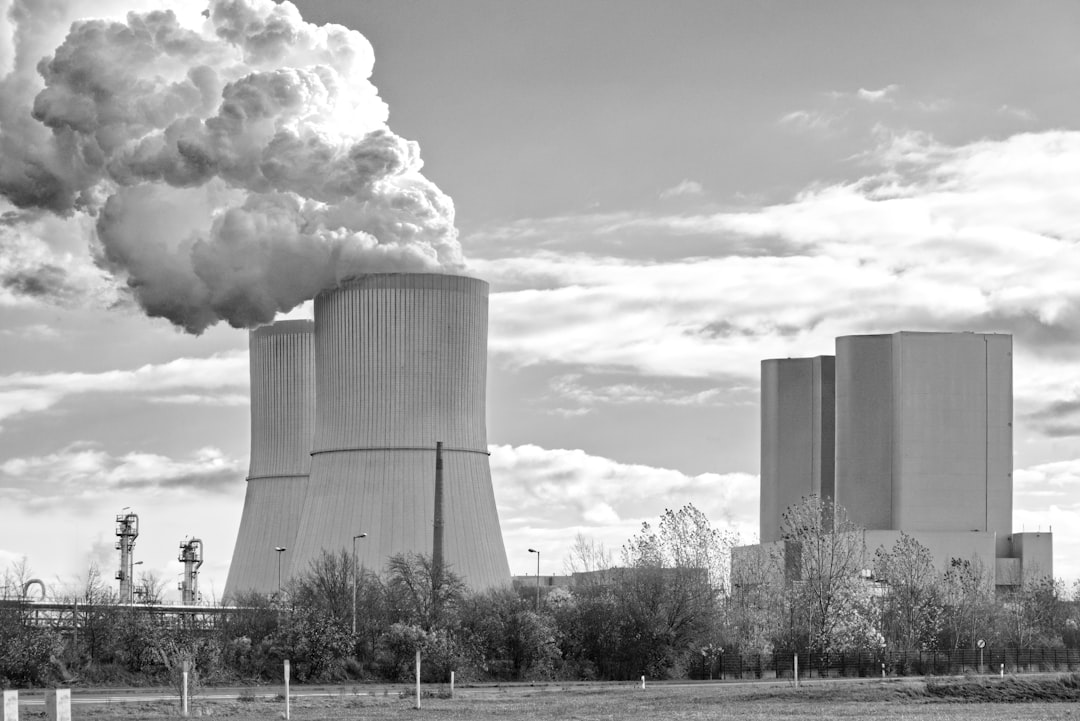
The U.S. is investigating spent nuclear fuel reprocessing to decrease its dependence on foreign uranium, particularly from Russia. This strategy aims to enhance energy security, reduce waste, and support nuclear power expansion amid rising global energy demand and decarbonization goals.
The United States is exploring advanced spent nuclear fuel reprocessing technologies as a strategic initiative to reduce its reliance on foreign uranium supplies, particularly from Russia. This renewed focus on domestic fuel cycle solutions is driven by a confluence of factors: surging global energy demand, the accelerating decarbonization imperative, and the growing energy consumption of emerging technologies like artificial intelligence.
Historically, the U.S. has operated primarily on an open nuclear fuel cycle, storing spent fuel as waste. However, advancements in reprocessing, such as those demonstrated in countries like France and Japan, offer the potential to extract valuable fissile materials—uranium and plutonium—from used fuel. These recovered materials can then be fabricated into new fuel, extending the lifecycle of existing nuclear resources and significantly reducing the volume of high-level waste requiring long-term disposal.
Economically, this shift could mitigate the geopolitical risks associated with a concentrated global uranium supply chain. Russia currently holds a substantial share of the world's enriched uranium market, posing potential supply vulnerabilities. By valorizing spent fuel, the U.S. could enhance its energy security, stabilize domestic fuel costs, and potentially create a new sector for advanced nuclear fuel manufacturing. This approach aligns with broader national security objectives while supporting the expansion of carbon-free nuclear power generation, a critical component of future energy grids.
Analyst's Take
While the immediate economic impact is on energy security and potential cost stabilization for the nuclear industry, a successful U.S. reprocessing program could eventually disrupt the global uranium mining and enrichment markets, depressing long-term spot prices. This development could also incentivize other nations to reconsider their own fuel cycle strategies, potentially leading to a broader shift in international nuclear material trade dynamics over the next decade.