TradeSCMP BusinessApr 27, 2026· 1 min read
Pop Mart Expands Beyond Collectibles with Premium Appliance Launch
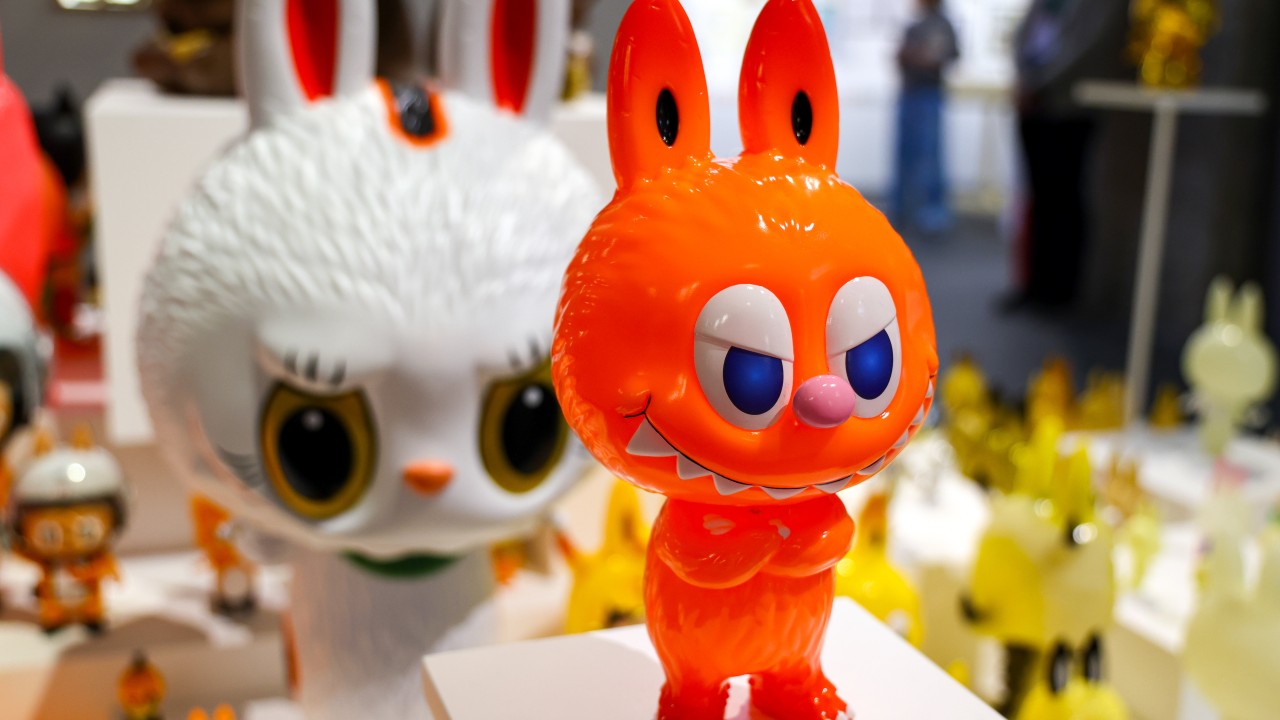
Chinese toymaker Pop Mart launched two limited-edition Labubu-themed mini-refrigerators priced at 5,999 yuan (US$878) each, capped at 999 units per design. High demand has pushed secondary market resale prices up to 80% above retail, demonstrating the power of brand leverage and scarcity in the premium consumer market.
Chinese toymaker Pop Mart has diversified its product offerings by introducing two limited-edition Labubu-themed mini-refrigerators. This strategic move leverages the significant brand equity and strong consumer demand for its popular 'The Monsters' series character, Labubu. Each refrigerator design is capped at 999 units and was priced at 5,999 yuan (approximately US$878) at its launch on April 30th.
The initial market response indicates substantial consumer appetite, with secondary market resale prices reportedly reaching up to 80% above the original retail price on online platforms. This premium pricing and robust demand underscore the efficacy of Pop Mart's brand extension strategy, capitalizing on the high perceived value and scarcity associated with its collectibles.
Economically, this launch signals a potential revenue diversification for Pop Mart, moving beyond traditional toy manufacturing into higher-ticket consumer durables, albeit in limited quantities. The success of this venture could open avenues for similar premium, limited-edition collaborations or brand extensions, potentially broadening Pop Mart's addressable market and enhancing its brand's luxury perception. It also highlights the continued strength of the collectible market in China, where high-demand items frequently command significant premiums on resale platforms, reflecting consumer willingness to pay for exclusivity and brand affiliation.
Analyst's Take
While seemingly a niche product, Pop Mart's foray into premium appliances signals an inflection point for IP-driven consumer brands, suggesting a path to unlock greater lifetime customer value beyond core offerings. This strategy, if successful, could pressure traditional appliance manufacturers to consider IP licensing, potentially leading to a fragmentation of the premium segment and new revenue streams for 'cultural' assets rather than just physical goods.