MacroBBC BusinessJul 28, 2026· 1 min read
J&J Proposes $5.5 Billion Settlement for Talc Lawsuits
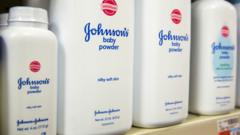
Johnson & Johnson has proposed a settlement of up to $5.5 billion to resolve a significant portion of the ongoing lawsuits alleging its talc products cause cancer. This move aims to conclude years of litigation, mitigating future legal liabilities and removing a financial overhang for the company.
Johnson & Johnson (J&J) has proposed a settlement of up to $5.5 billion to resolve a substantial portion of the lawsuits alleging that its talc-based baby powder products cause cancer. This offer is directed at plaintiffs who have not opted into a previous bankruptcy filing by a J&J subsidiary, LTL Management. The proposed settlement aims to bring an end to a protracted legal battle that has spanned several years and resulted in significant legal and reputational costs for the pharmaceutical and consumer goods giant.
The aggregate value of the settlement, if accepted by a sufficient number of claimants, represents a substantial financial outlay for J&J. While the company maintains that its talc products are safe, the settlement reflects a strategic move to mitigate ongoing legal uncertainties and the potential for larger future liabilities. This initiative follows previous attempts by J&J to use bankruptcy proceedings to manage the litigation, which faced judicial challenges.
The resolution of these lawsuits could remove a significant overhang on J&J's financial statements and stock performance. Analyst estimates have varied widely regarding the total potential cost of the litigation, with some projections exceeding the current proposed settlement. A successful resolution could free up capital and management focus, allowing the company to concentrate more on its core pharmaceutical and medical device businesses, which have been key drivers of revenue growth.
Analyst's Take
While the immediate market reaction may focus on the financial cost, the long-term impact on J&J's brand equity, particularly in its consumer health segment, could be more significant than the settlement itself. This resolution might catalyze a broader re-evaluation by consumer goods companies of long-standing product formulations and potential hidden liabilities, prompting increased due diligence in legacy product lines. We may see a subtle shift in M&A valuations for companies with extensive product histories, factoring in latent legal risks more acutely.

