MarketsMarketWatchMay 22, 2026· 1 min read
New Fed Chair Faces Early Economic Headwinds Amidst Rising Oil Prices
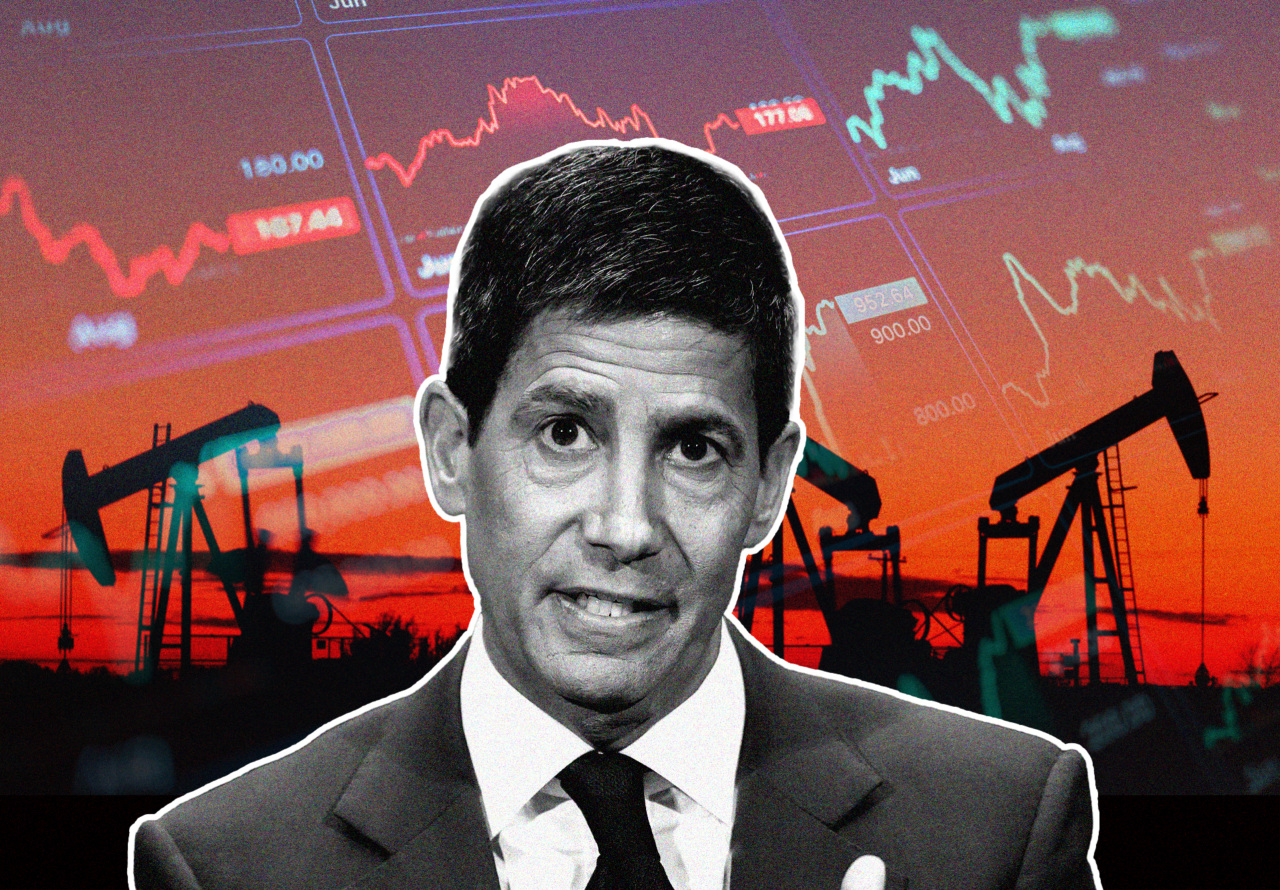
A potential new Federal Reserve Chair faces the historical challenge of market downturns during leadership transitions, compounded by rising oil prices potentially exceeding $100 per barrel. This situation presents a critical choice between curbing inflation through demand suppression or sustaining the current bull market.
The prospective new Federal Reserve Chair, Kevin Warsh, is poised to inherit a challenging economic landscape, marked by a historical trend of market downturns coinciding with leadership transitions at the central bank. This 'new Fed chair curse' suggests an immediate test for Warsh, should he be appointed.
A significant factor contributing to this challenging environment is the resurgence of oil prices, potentially surpassing $100 per barrel. Such elevated energy costs typically fuel inflationary pressures and can constrain consumer spending and corporate profitability. The Federal Reserve's mandate includes price stability and maximum employment, creating a delicate balancing act for its leadership.
Warsh's immediate challenge would be to navigate monetary policy in a way that addresses inflation without stifling economic growth. The dilemma involves a potential trade-off: implementing policies to curb demand and control inflation, which could cool the current bull market, or prioritizing market stability and potentially allowing inflationary pressures to persist. This decision will have substantial implications for various asset classes, from equities to fixed income.
The market's current trajectory suggests a period of elevated scrutiny on the Fed's stance. Investors will be closely watching for signals on interest rate policy and quantitative tightening or easing, as these tools will be crucial in managing the dual risks of inflation and economic slowdown. The path chosen by the new Fed Chair will heavily influence business investment, consumer confidence, and the overall trajectory of the U.S. and global economies.
Analyst's Take
The market may be underpricing the speed at which sustained $100+ oil could force the Fed's hand on a more hawkish stance, potentially leading to earlier and steeper rate hikes than currently anticipated by forward curves. This could trigger a more pronounced bond market correction ahead of equity repricing, creating a leading indicator for broader market stress.


