MarketsMarketWatchJul 20, 2026· 1 min read
Taylor Farms Lettuce Outbreak: FDA Apology Highlights Supply Chain Risks
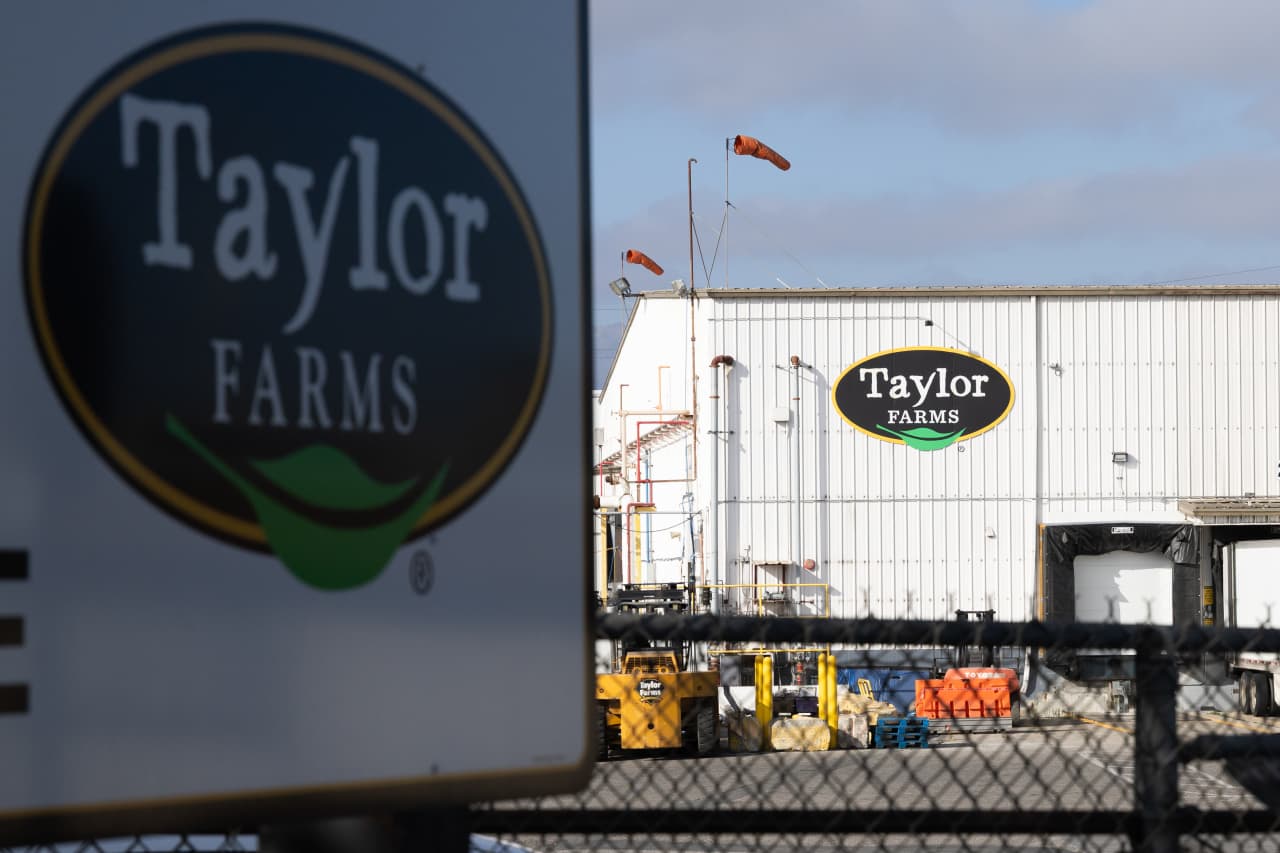
The FDA and CDC are investigating a cyclospora outbreak linked to Taylor Farms' iceberg lettuce, prompting an FDA apology regarding detection difficulty. This event highlights significant economic risks for the agricultural sector, including potential revenue losses and increased operational costs due to food safety challenges.
The U.S. Food and Drug Administration (FDA) and the Centers for Disease Control and Prevention (CDC) are currently investigating an outbreak of cyclospora linked to iceberg lettuce supplied by Taylor Farms. The FDA recently issued an apology to Taylor Farms, acknowledging the difficulty in precisely identifying the source of cyclospora contamination. This incident underscores inherent challenges in food safety traceback, particularly for produce.
From an economic perspective, such outbreaks carry significant financial implications for the agricultural sector and broader supply chain. Taylor Farms, a major producer, faces potential revenue losses from product recalls, damaged brand reputation, and increased scrutiny from retailers and consumers. The apology itself suggests the complexity of isolating contamination origins within extensive agricultural distribution networks, which often involve multiple farms, processing facilities, and transportation stages.
The economic impact extends beyond the directly affected company. Retailers carrying the implicated product may experience reduced sales of fresh produce, while consumer confidence in the safety of leafy greens can decline across the board. This could lead to a broader shift in purchasing habits, potentially benefiting alternative produce categories or frozen options in the short term. Furthermore, heightened regulatory oversight and testing requirements following such events can increase operational costs for all food producers, potentially translating to higher consumer prices or reduced margins. The incident also highlights the ongoing need for advanced detection technologies and robust traceability systems within the agricultural supply chain to mitigate financial and public health risks.
Analyst's Take
While immediately impacting Taylor Farms, this incident foreshadows a broader re-evaluation of supply chain risk premiums within perishable food sectors. Insurers may adjust policy costs, and large retailers could diversify sourcing more aggressively, putting pressure on smaller, less resilient suppliers over the next 6-12 months, even if this specific outbreak quickly fades from headlines.


