MarketsMarketWatchMay 1, 2026· 1 min read
Tesla's Executive Compensation Outstrips Median Employee Pay by 2.5 Million Times
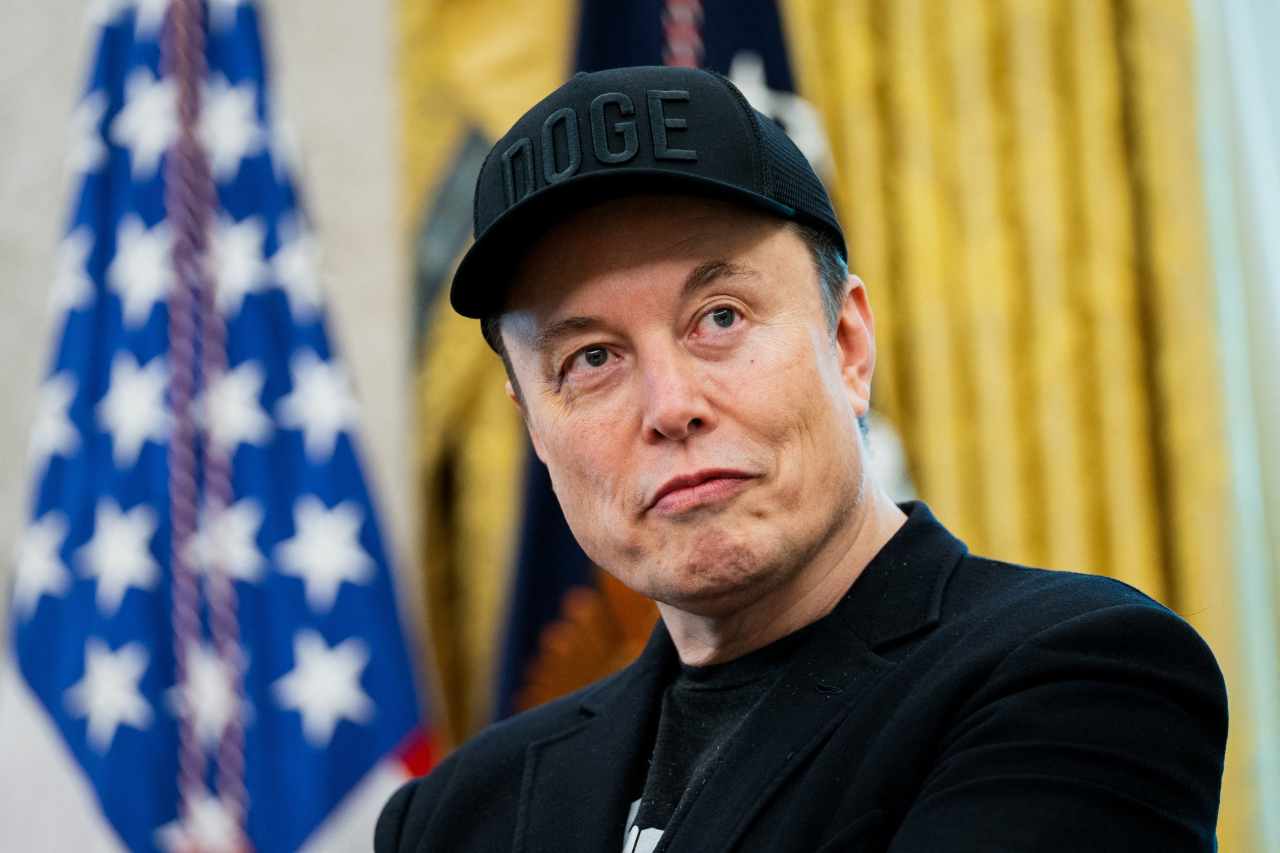
Tesla's recent proxy filing disclosed that CEO Elon Musk's compensation in 2023 was 2.5 million times higher than that of the median employee. This information highlights significant executive pay disparity and raises questions about corporate governance and income distribution within the company.
Tesla's latest proxy filing reveals a striking disparity in executive compensation for 2023, with CEO Elon Musk's earnings 2.5 million times greater than the median employee's salary. This disclosure, a requirement for publicly traded companies, highlights the scale of top-tier remuneration within the electric vehicle manufacturer. The figure represents compensation attributed to Musk for his role at Tesla, separate from any other ventures.
The median employee compensation at Tesla, as reported in the same filing, provides a baseline against which executive pay is measured. This comparison offers investors and stakeholders a clear view of the company's compensation structure. While specific dollar figures for Musk's total compensation and the median employee salary were not detailed, the multiple provides a stark quantitative measure of the gap.
Such high ratios of CEO-to-median-worker pay frequently draw scrutiny from governance advocates and some investor groups. The economic implications extend to debates about corporate accountability, income inequality, and the allocation of corporate profits. For Tesla, this disclosure comes amid ongoing discussions regarding executive incentives, particularly in high-growth, high-valuation technology companies. The company's board typically justifies such compensation packages by linking them to performance metrics and shareholder value creation, though the sheer scale often remains a point of contention.
Analyst's Take
While this disclosure on executive compensation is legally mandated, the sheer magnitude of the pay ratio, though based on 2023 data, could indirectly influence market sentiment towards ESG investing principles, potentially leading to increased pressure from institutional investors regarding governance practices and compensation committees. The focus on such large multiples could also pre-emptively inform future investor relations strategies as companies grapple with a growing emphasis on social equity metrics, particularly given the '2025' typo in the original source suggests a forward-looking or future-dated context which is atypical for compensation reporting, potentially mispricing future governance risks.


