EnergyOilPrice.comJul 1, 2026· 1 min read
US Bets $50 Billion on Coal and Gas Amid Soaring Electricity Demand
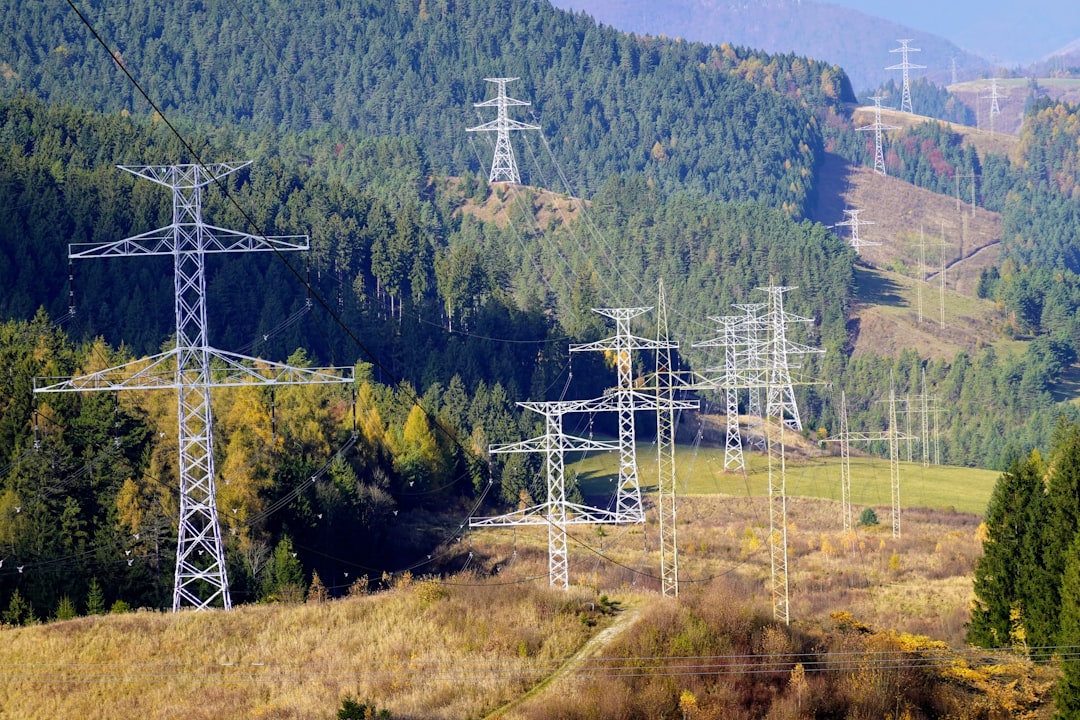
U.S. companies are forecast to invest $50 billion in coal and natural gas power generation this year, surpassing China's spending in these fuels for the first time in decades. This surge is primarily driven by soaring electricity demand, largely from the booming data center industry.
U.S. companies are projected to invest approximately $50 billion in new coal and natural gas power generation facilities this year, marking a significant shift in energy spending, according to the International Energy Agency (IEA) via the Financial Times. This investment level would surpass China's spending on these fossil fuels by $3 billion, a development not seen in decades.
The surge in capital expenditure is primarily driven by an unprecedented increase in electricity demand, particularly from the booming data center sector across the United States. This robust demand is translating into a strong market for natural gas turbines, which constitute the majority of the planned generation capacity additions.
The IEA's figures highlight a strategic response from U.S. power producers to meet rapidly escalating energy requirements. While global efforts continue to pivot towards renewable energy sources, the immediate need for reliable, baseload power to support industrial growth, especially in the technology sector, is prompting substantial investment in conventional fossil fuel infrastructure.
This trend underscores the complex interplay between economic expansion, technological advancement, and energy policy. The increased reliance on natural gas, in particular, points to its continued role as a crucial transitional fuel, offering lower emissions than coal while providing grid stability that intermittent renewables currently cannot fully match.
Analyst's Take
The market may be overlooking the longer-term inflationary pressures on electricity prices and grid stability that this fossil fuel investment implies, particularly if the data center boom continues to outpace renewable integration. Expect heightened regulatory scrutiny and potential for carbon taxation proposals to resurface as the environmental implications of this new capacity become clearer, likely impacting utility bond yields within the next 18-24 months.