EnergyOilPrice.comJul 17, 2026· 1 min read
Bangladesh's $12.65 Billion Nuclear Power Project Nears Crucial Phase
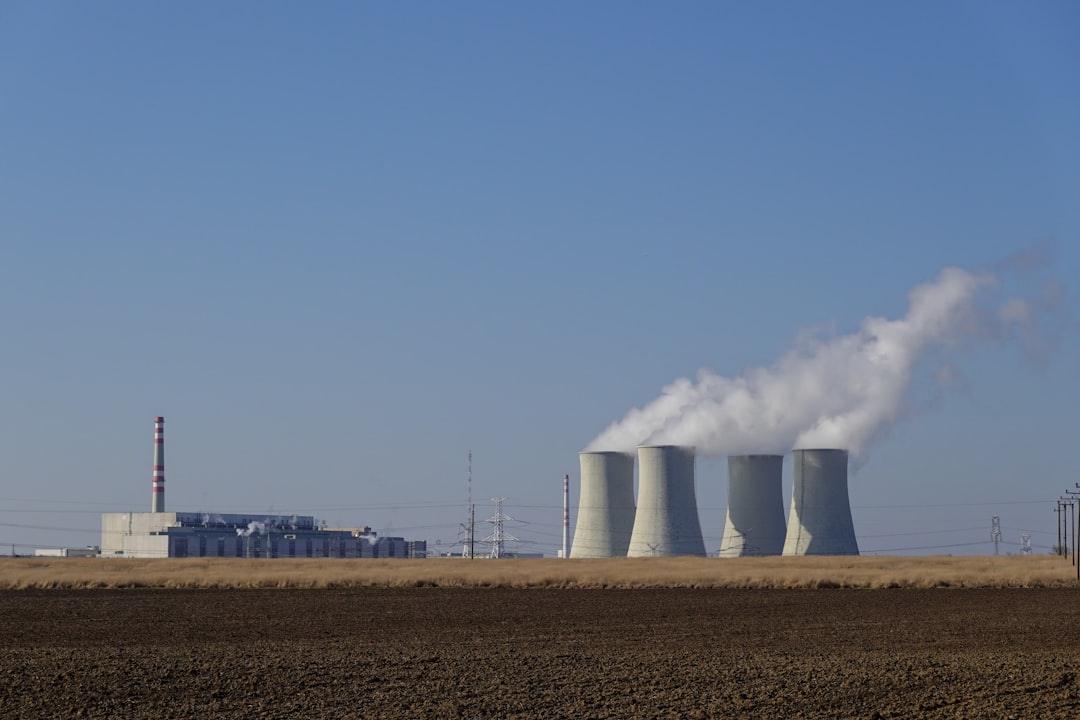
Bangladesh's $12.65 billion Rooppur Nuclear Power Plant is nearing commissioning, with its first 1,200 MW reactor expected online in late 2024 and the second in late 2025. This project aims to diversify Bangladesh's energy mix, reduce fossil fuel dependency, and enhance energy security.
Bangladesh is progressing with its ambitious Rooppur Nuclear Power Plant, a $12.65 billion undertaking poised to significantly alter the nation's energy landscape. Developed with Russian assistance, the project is nearing the completion of its first reactor, Unit 1, with a scheduled commissioning in late 2024. This facility is designed to deliver 1,200 megawatts (MW) of electricity, a substantial addition to Bangladesh's grid, which currently relies heavily on natural gas.
The second reactor, Unit 2, is projected to come online in late 2025, bringing the plant's total capacity to 2,400 MW. This represents a strategic pivot for Bangladesh, aiming to diversify its energy mix, enhance energy security, and reduce its vulnerability to volatile global fossil fuel prices. The country has faced significant energy challenges, including disruptions from international oil shocks and a growing domestic power demand.
Financing for the Rooppur project is predominantly through a $11.38 billion loan from Russia, highlighting the significant geopolitical and economic ties underpinning the venture. The long-term implications for Bangladesh include a potential reduction in import dependency for energy, contributing to an improved balance of payments over time. However, the project also introduces new economic and operational considerations, including the long-term management of nuclear waste and the substantial debt servicing obligations.
The global context of rising energy demand, exacerbated by technological advancements like artificial intelligence and increasing climate pressures, underscores the broader trend of nations evaluating nuclear power as a viable solution to the energy trilemma: affordability, sustainability, and security. For Bangladesh, the successful integration and operation of the Rooppur plant will be a critical test of its long-term energy strategy and economic resilience.
Analyst's Take
While the immediate economic implication is debt accumulation, the project's long-term success hinges on efficient grid integration and operational stability, which could free up natural gas for other industrial uses, potentially boosting the manufacturing sector. The market may be underestimating the potential for a localized 'green premium' on Bangladeshi exports if nuclear power is perceived as a cleaner energy source by international buyers, even as the broader energy transition unfolds.