EnergyOilPrice.comJun 11, 2026· 1 min read
Deregulated Power Markets Face Sharper Price Hikes Amid Energy Transition
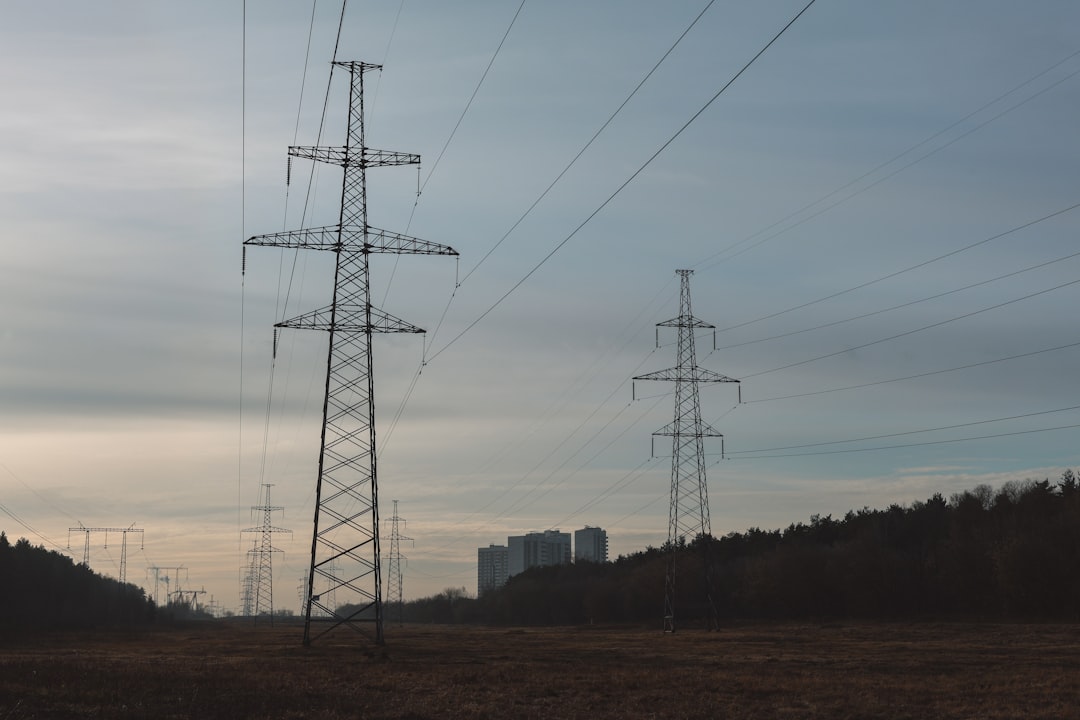
Electricity prices are rising more rapidly in U.S. states with deregulated power markets compared to those with regulated utility structures. This trend challenges the foundational economic theory that deregulation consistently leads to lower consumer costs, raising questions about market design and consumer protection.
Power prices are experiencing significantly faster increases in U.S. states with deregulated electricity markets compared to those retaining traditional, regulated utility structures. This divergence challenges the long-held premise that deregulation fosters competition and lower consumer costs, a theory that gained traction in the late 20th century across various sectors including transportation and telecommunications.
The rationale behind electricity market deregulation was to introduce competition among generators and suppliers, theoretically leading to efficiency gains and reduced prices for end-users. This approach was predominantly adopted in states where electricity costs were historically high, aiming to emulate perceived successes in other industries. Conversely, states with already lower prices largely maintained their integrated utility models.
However, the current market dynamics indicate that the anticipated consumer benefits from deregulation are not materializing universally, particularly during periods of market stress or significant investment cycles. Regulated markets, characterized by state-approved rate increases and long-term planning, appear to offer more stability, albeit with less direct competition. The design of deregulated markets, which often involve spot pricing and wholesale energy auctions, exposes consumers more directly to fluctuations in generation costs, fuel prices, and infrastructure investment demands.
This trend underscores a critical economic implication: the structural differences between electricity market models have a tangible impact on consumer purchasing power and industrial operating costs. As energy transitions accelerate, requiring substantial investments in new generation and grid infrastructure, the mechanisms for cost recovery and price formation in both regulated and deregulated environments will be under increasing scrutiny. The current price differentials highlight a potential policy challenge for deregulated states, particularly concerning affordability and economic competitiveness.
Analyst's Take
The heightened price volatility in deregulated markets, while problematic for consumers now, could paradoxically accelerate renewable energy adoption in these regions by making fossil fuel generation less predictably competitive. This dynamic may drive a faster energy transition in deregulated states, but at the cost of short-term consumer burden and potential grid instability as intermittent sources scale up faster than grid modernization. The market may be underestimating the political pressure for re-regulation or significant policy interventions in these states if price differentials persist, potentially leading to a divergence in energy policy frameworks between 'free market' and 'utility model' states.