MarketsMarketWatchApr 30, 2026· 1 min read
Eli Lilly's GLP-1 Sales Surge to Nearly $13 Billion Quarterly, Projecting Further Growth
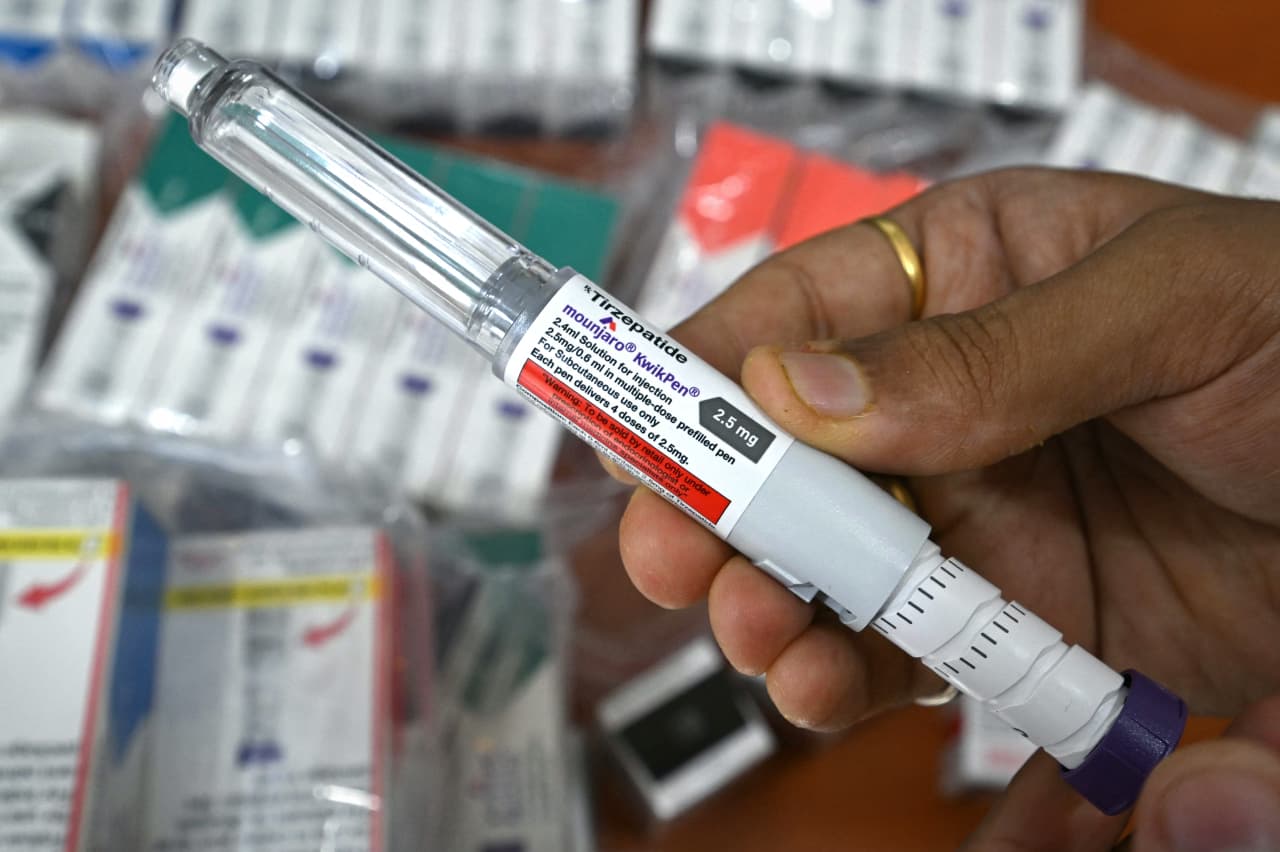
Eli Lilly's GLP-1 drug franchise generated $12.9 billion in sales during the last quarter, with the company projecting continued growth. This robust performance highlights significant market demand and Lilly's strong position in the metabolic health sector.
Eli Lilly and Company reported a robust performance from its tirzepatide franchise, which includes Mounjaro and Zepbound, with sales reaching $12.9 billion in the latest fiscal quarter. This figure underscores the increasing market penetration and demand for GLP-1 receptor agonist drugs, primarily used for diabetes management and weight loss. The company anticipates this growth trajectory to continue, signaling a sustained expansion in the therapeutic area.
The substantial revenue generation from Lilly's GLP-1 drugs highlights the evolving landscape of pharmaceutical sales, where innovative treatments for chronic conditions are becoming significant revenue drivers. The market's reception of these drugs reflects a broader societal shift towards addressing metabolic health challenges. Lilly's continued success in this segment positions it as a key player in a rapidly expanding therapeutic category, with potential implications for healthcare expenditure and public health outcomes.
The reported sales figures are not merely a reflection of current demand but also a forward-looking indicator for the pharmaceutical sector. Continued growth in this franchise suggests ongoing investment in research and development within the GLP-1 space, potentially leading to new formulations, expanded indications, and increased competition. The economic impact extends beyond Lilly, influencing supply chains, manufacturing capacities, and healthcare provider strategies globally as more patients gain access to these treatments. This sustained performance reinforces the economic viability of novel pharmacological interventions for widespread health conditions.
Analyst's Take
The sheer scale of Lilly's GLP-1 sales implies a notable shift in consumer discretionary spending, particularly within healthcare budgets, that could begin to manifest in retail and food sectors. This sustained demand also presents an overlooked systemic risk to national healthcare systems, as the long-term cost implications of widespread adoption for chronic conditions could strain public and private payers, potentially leading to future reimbursement policy adjustments that are not currently priced into pharmaceutical valuations.


