MarketsMarketWatchApr 28, 2026· 1 min read
Hainan's Duty-Free Expansion Signals Beijing's Economic Shift
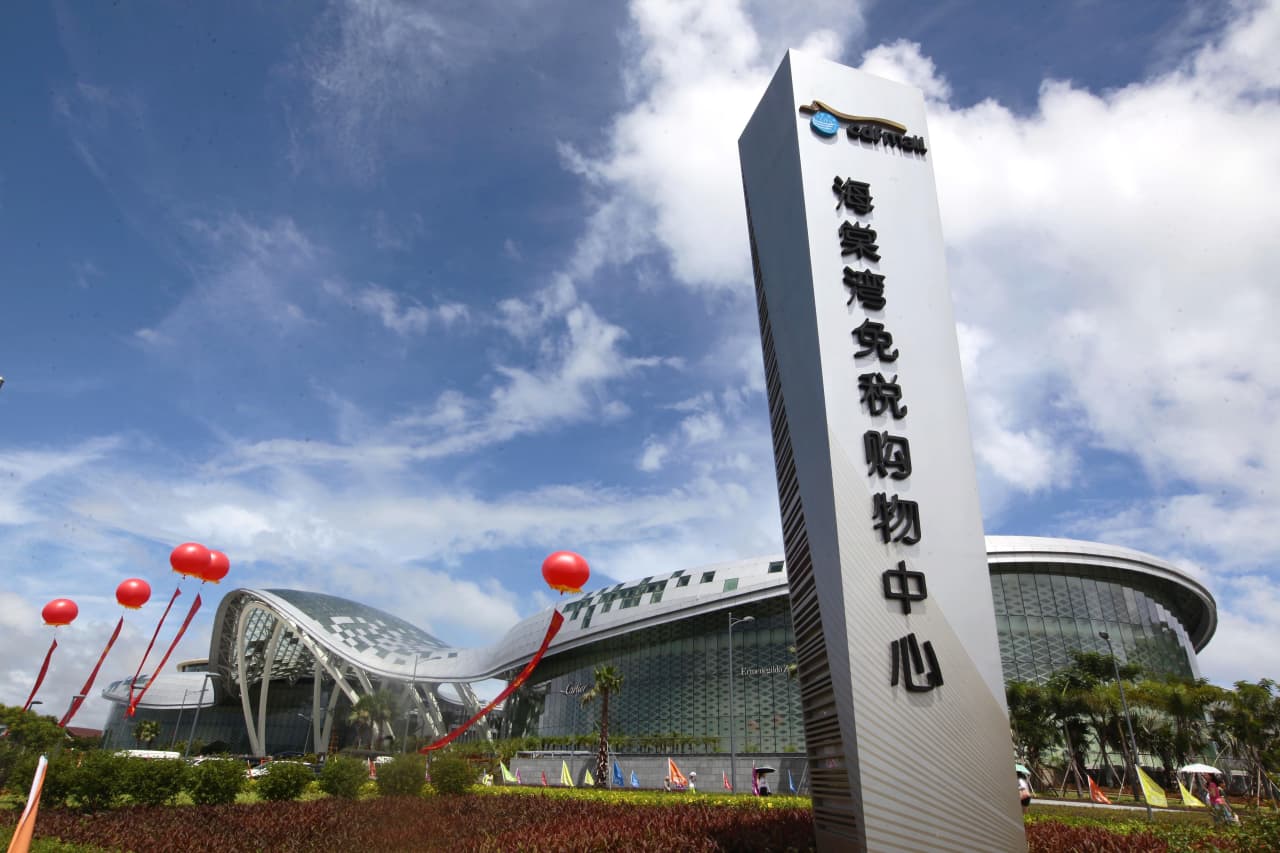
China is directing its Hainan island province to diversify its economy beyond duty-free retail and tourism, pushing for growth in international trade, finance, and technology. This strategic shift aims to build a more robust, diversified economic engine and enhance Hainan's global economic integration.
China's Hainan island province is poised for a significant economic transformation as Beijing seeks to elevate its status beyond a regional duty-free shopping hub. The central government has issued new directives aimed at diversifying Hainan's economy, pushing for an expanded role in international trade, finance, and technology, rather than solely relying on its popular duty-free retail sector and tourism.
Historically, Hainan has been a key component of China's domestic consumption strategy, attracting consumers with tax-exempt goods. This model, while successful in boosting local commerce, is now seen as insufficient for Beijing's broader economic ambitions for the island. The new mandate signals a strategic pivot, intending to leverage Hainan's geographical position and existing infrastructure to foster higher-value industries and greater integration into global supply chains.
This initiative aligns with China's long-term goal of building a robust domestic market while simultaneously enhancing its global economic influence. By expanding Hainan's economic scope, Beijing aims to create a more resilient and diversified growth engine, potentially attracting foreign direct investment beyond retail and tourism. The development also reflects a broader governmental push to de-risk supply chains and foster internal economic resilience amidst global trade uncertainties.
Economically, the shift could lead to substantial infrastructure investments in logistics, manufacturing, and digital services. It also suggests a potential increase in policy support and incentives for businesses willing to establish operations in Hainan's emerging sectors. The move highlights Beijing's ongoing efforts to strategically develop key regions to achieve specific economic objectives, ultimately contributing to a more balanced and advanced national economy.
Analyst's Take
This directive for Hainan signals Beijing's broader intent to develop more 'internal' global trade and financial hubs, potentially mitigating reliance on existing external gateways like Hong Kong. The initial policy focus will likely center on attracting specific high-tech and logistics firms through targeted incentives, rather than a broad-based liberalization, with tangible investment flows becoming apparent in the next 12-18 months.


