EnergyOilPrice.comApr 27, 2026· 1 min read
India's Heatwave Fuels Record Power Demand, Straining Energy Grid
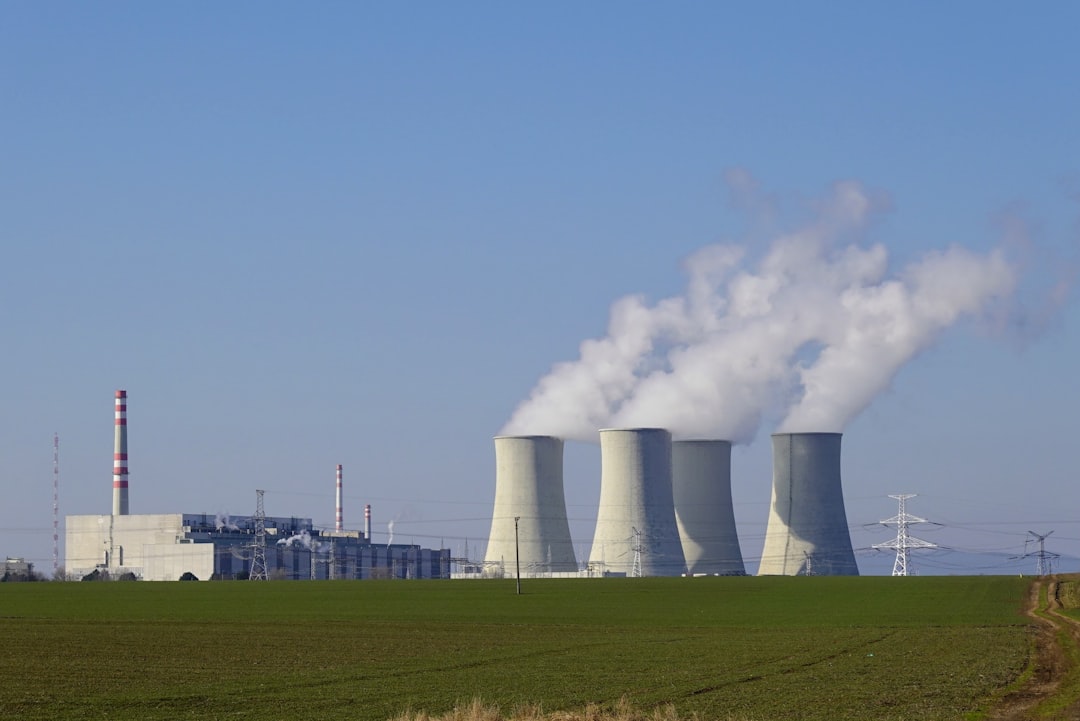
India's power demand hit consecutive record highs of 252 GW and 256 GW over the weekend, driven by an early summer heatwave and increased cooling needs. This surge highlights the escalating strain on the nation's energy grid and implies increased fuel consumption, particularly coal.
India's electricity consumption surged to unprecedented levels over the weekend, driven by an early summer heatwave that intensified cooling demand. Official government data, as reported by Bloomberg, indicates peak power demand reached 256 gigawatts (GW) on Saturday, surpassing the 252 GW recorded on Friday. These figures represent consecutive daily records, exceeding the previous high of 250 GW set in May 2024. This early spike marks the onset of India's peak electricity demand season, typically characterized by elevated temperatures and increased reliance on air conditioning and other cooling systems.
The sustained surge in demand underscores the growing strain on India's energy infrastructure. While specific details on generation mix are not immediately available, such high demand periods often necessitate the increased utilization of all available power sources, including thermal power plants which predominantly rely on coal. The economic implications include potential upward pressure on fuel prices, particularly coal, and increased operational costs for power generation companies. Furthermore, the persistent demand stress during heatwaves raises concerns about grid stability and the potential for supply deficits, which could impact industrial output and consumer spending if prolonged outages occur. The government's ability to meet this escalating demand while managing environmental commitments will be a critical economic challenge as the summer progresses.
Analyst's Take
The immediate impact of record power demand is a visible stress on generation capacity, but the second-order effect is a leading indicator for industrial and household energy cost inflation, potentially filtering into broader CPI data in the coming months. What's often overlooked is how this early surge in demand could front-load coal stockpiles, creating tighter supply-side constraints and even higher prices later in the peak summer, irrespective of global energy market trends, creating a domestic energy squeeze that could dampen recovery in certain manufacturing sectors.