MarketsMarketWatchJun 18, 2026· 1 min read
Hormuz Shipping Recovery Hinges on Practical Steps Post-Ceasefire Extension
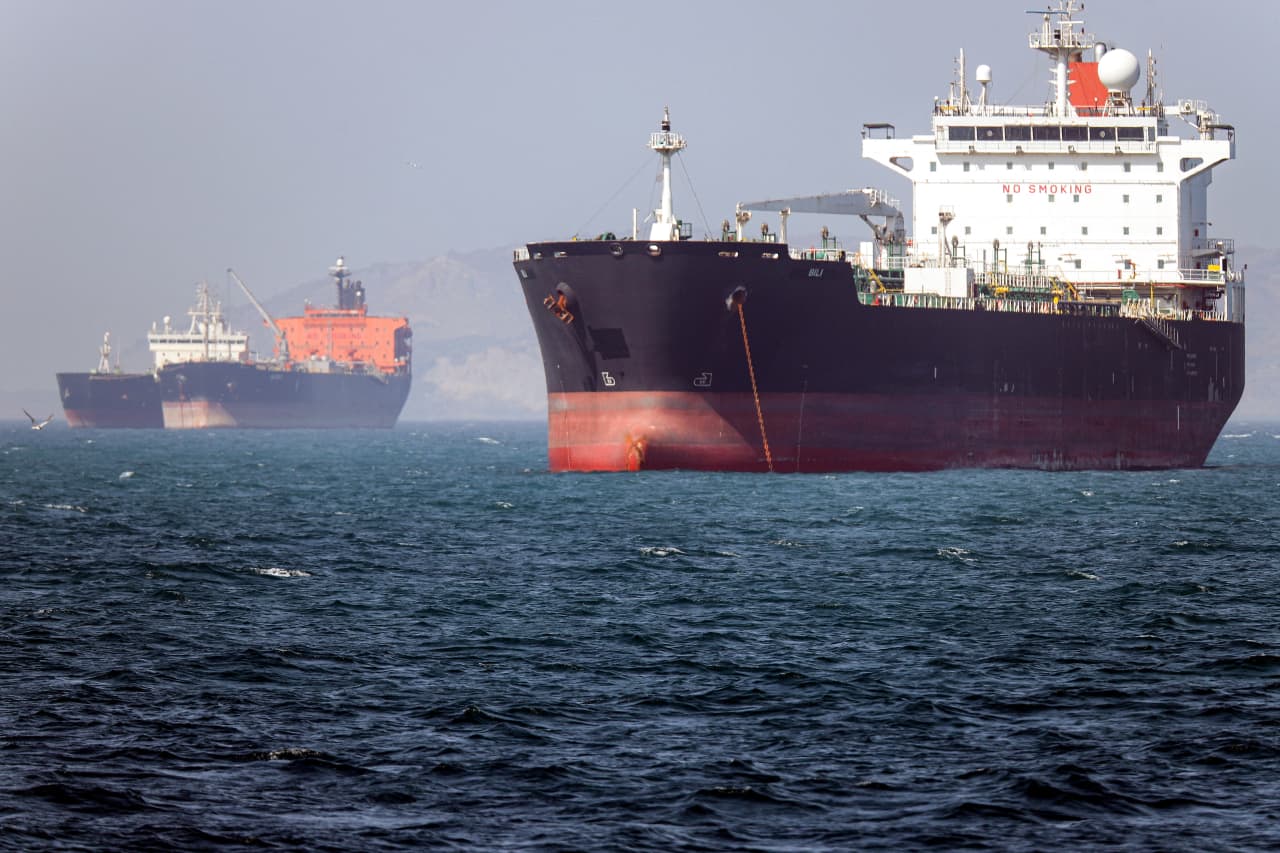
A 60-day ceasefire extension between the U.S. and Iran offers a framework for de-escalation in the Strait of Hormuz. Full restoration of shipping traffic, however, depends on implementing practical operational steps beyond the political agreement.
A recently extended 60-day ceasefire between the United States and Iran has set the stage for potential de-escalation in the Strait of Hormuz, a critical global shipping lane. While the political framework for peace is in place, the return to pre-conflict shipping volumes necessitates a series of practical, on-the-ground operational adjustments. The immediate economic implication is a reduction in geopolitical risk premiums previously factored into oil and gas prices, and potentially lower insurance costs for vessels transiting the strait.
The Strait of Hormuz, a chokepoint for roughly one-fifth of the world's total oil consumption and a significant portion of global liquefied natural gas (LNG) trade, has seen disrupted traffic and heightened security concerns amidst recent tensions. A sustained return to normalcy would alleviate supply chain pressures for energy commodities, potentially stabilizing or lowering input costs for energy-intensive industries worldwide. The agreement, though an interim step, signals a commitment from both nations to pursue a more stable environment, which is crucial for predictable global trade flows.
Economically, the key focus now shifts from the political agreement to its implementation. This includes establishing secure navigation protocols, potentially reducing military patrols, and rebuilding trust among shipping operators. The gradual unwinding of 'war risk' surcharges in shipping insurance markets would directly reduce operational costs for companies reliant on this route. While the 60-day extension provides a window for these practical steps, sustained peace and predictable transit are essential for a complete recovery of commercial traffic to pre-conflict levels, supporting broader global economic stability.
Analyst's Take
While the ceasefire reduces immediate geopolitical risk premiums, the market may be underestimating the logistical friction and time required to re-establish robust, confidence-driven shipping flows. The true 'recovery' signal to watch for won't be headline agreements, but rather a sustained, measurable reduction in shipping insurance rates for the region, reflecting actual risk perception by underwriters, which often lags political developments.


