EnergyOilPrice.comApr 25, 2026· 1 min read
Solar-Powered Biomass Conversion Offers Grid Stability Potential
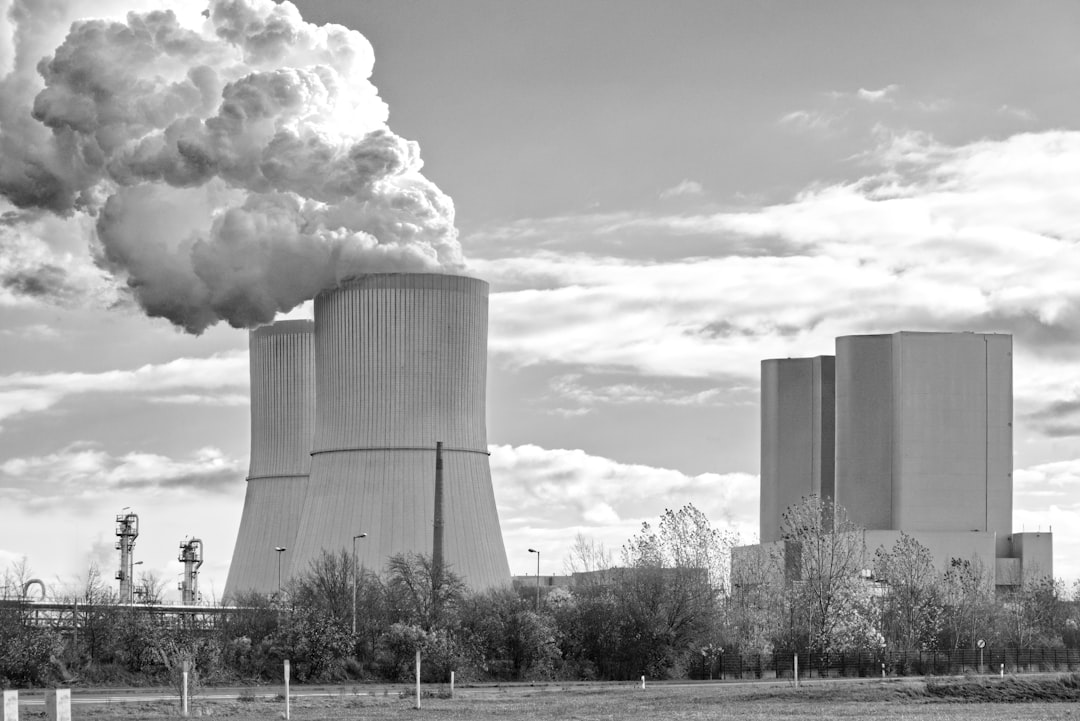
A new solar-powered technology converts wood biomass into storable energy, potentially addressing grid variability caused by intermittent solar and wind generation. This innovation could stabilize electricity markets and reduce reliance on conventional backup power sources.
A novel solar-powered biomass conversion technology, leveraging wood as a fuel source, could offer a significant advancement in addressing the energy variability inherent in renewable energy grids. As global solar and wind capacity expands rapidly, grid operators increasingly grapple with the challenge of intermittent generation. Solar panels only generate power during daylight hours, and wind turbines require sufficient wind speeds, often creating a mismatch with fluctuating energy demand. This disparity contributes to grid instability and market volatility, exemplified by instances of negative energy prices in regions with high renewable penetration.
The new breakthrough involves a concentrated solar thermal process that efficiently converts biomass, specifically wood, into a storable energy source. This method, by utilizing solar energy to process a readily available biofuel, could allow for the continuous generation of electricity independent of immediate solar irradiance or wind conditions. The economic implications are substantial, potentially mitigating the need for expensive grid-scale battery storage solutions or fossil fuel peaker plants currently used to stabilize grids with high renewable penetration. By providing a dispatchable energy source derived from renewables, this technology could reduce wholesale electricity price volatility and enhance grid resilience. Furthermore, it could open new revenue streams for forestry sectors and waste wood management, fostering a more circular economy approach to energy production.
Analyst's Take
While promising for grid stability, the scaling of this biomass conversion technology will face scrutiny over sustainable forestry practices and the potential for feedstock price volatility. The immediate impact will likely be felt in regions with abundant wood waste and ambitious renewable targets, offering a niche but valuable hedge against natural gas price spikes for grid balancing.