MacroBBC BusinessApr 24, 2026· 1 min read
White House Memo Exposes Alleged Chinese AI Theft, Raising Economic Stakes
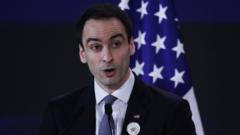
A White House memo alleges widespread unauthorized replication of US AI models by Chinese firms. This intellectual property theft poses a significant threat to US innovation incentives, technological leadership, and exacerbates existing trade tensions.
A recent memo from Michael Kratsios, a prominent White House official, alleges a systematic effort by firms, primarily based in China, to "wrongfully distill" proprietary U.S. artificial intelligence models. This serious accusation highlights a critical economic challenge, potentially undermining American technological leadership and innovation.
The memo suggests that these firms are engaging in unauthorized replication or exploitation of advanced AI models developed by U.S. companies. Such activities represent a direct form of intellectual property (IP) theft, a long-standing point of contention in U.S.-China economic relations. The economic implications are substantial: robust IP protection is fundamental to fostering research and development, as it guarantees inventors and companies the exclusive rights to profit from their innovations. When these rights are compromised, the incentive for investment in costly AI R&D diminishes, potentially slowing down the pace of technological advancement in the United States.
Furthermore, the alleged theft could erode the competitive advantage of U.S. firms in the burgeoning global AI market. Companies that invest heavily in developing cutting-edge algorithms and models face unfair competition from entities that bypass these costs through illicit means. This not only impacts company valuations and market share but also has broader implications for national economic security, given AI's strategic importance across numerous sectors.
This development adds another layer of complexity to the already strained U.S.-China trade and technology relationship. Policymakers will likely view these claims as further evidence of unfair trade practices, potentially leading to calls for stricter enforcement measures, enhanced export controls, or other retaliatory actions aimed at protecting U.S. intellectual capital in the critical field of artificial intelligence. The memo underscores the ongoing battle for technological supremacy and the economic imperative to safeguard proprietary innovations.

