MarketsMarketWatchMay 3, 2026· 1 min read
Trump's Strait of Hormuz Reopening Plan Sparks Mixed Market Reaction
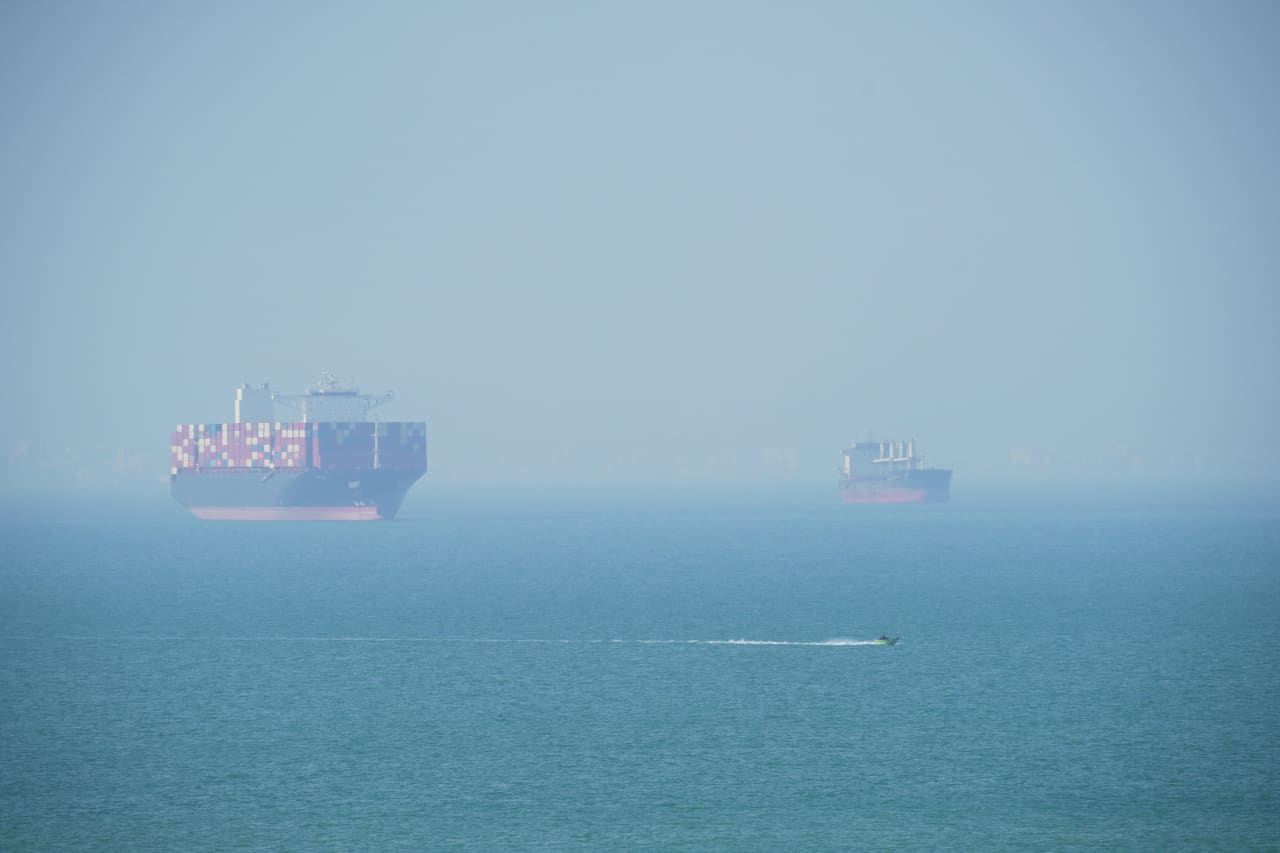
U.S. stock futures were mixed and oil prices fell after President Trump announced a plan to partially reopen the Strait of Hormuz for neutral shipping. This move aims to alleviate congestion in the vital waterway, potentially impacting global energy supply and shipping costs.
U.S. stock index futures displayed a mixed performance, and oil prices experienced a decline on Sunday following President Trump's announcement of a plan to partially reopen the Strait of Hormuz. The initiative aims to facilitate the movement of neutral shipping that has been stalled in the Persian Gulf since the onset of the conflict with Iran.
The proposed plan seeks to alleviate maritime congestion and potentially restore a degree of stability to the critical waterway. The Strait of Hormuz, a narrow sea lane connecting the Persian Gulf to the open ocean, is a vital chokepoint for global oil shipments. Approximately one-fifth of the world's total petroleum consumption, and a significant portion of liquefied natural gas (LNG) transits through this strait daily. Disruptions in this region typically trigger upward pressure on energy prices due to supply chain concerns and geopolitical risk premiums.
While the prospect of easing shipping restrictions might suggest a de-escalation of tensions, the immediate market reaction reflects a nuanced interpretation. The drop in oil prices indicates that traders are factoring in the potential for increased supply flow and reduced geopolitical risk premium associated with a more open strait. However, the mixed stock futures suggest investor caution, likely stemming from the inherent volatility of geopolitical initiatives and the ongoing uncertainty surrounding the broader U.S.-Iran relationship. The economic implications hinge on the successful implementation and sustained effectiveness of this 'reopening' plan, which could influence global energy markets and shipping costs.
Analyst's Take
While initial oil price reactions suggest a reduction in geopolitical risk, the market may be underestimating the long-term operational costs and insurance premiums that will persist for shipping through a contested strait, irrespective of a 'reopening' plan. Furthermore, this move could trigger a more assertive counter-response from Iran, leading to renewed escalation in the region that is not yet priced into current market expectations.


