MarketsMarketWatchMay 1, 2026· 1 min read
Twilio Soars 20% on 'Unprecedented Demand' for AI Function
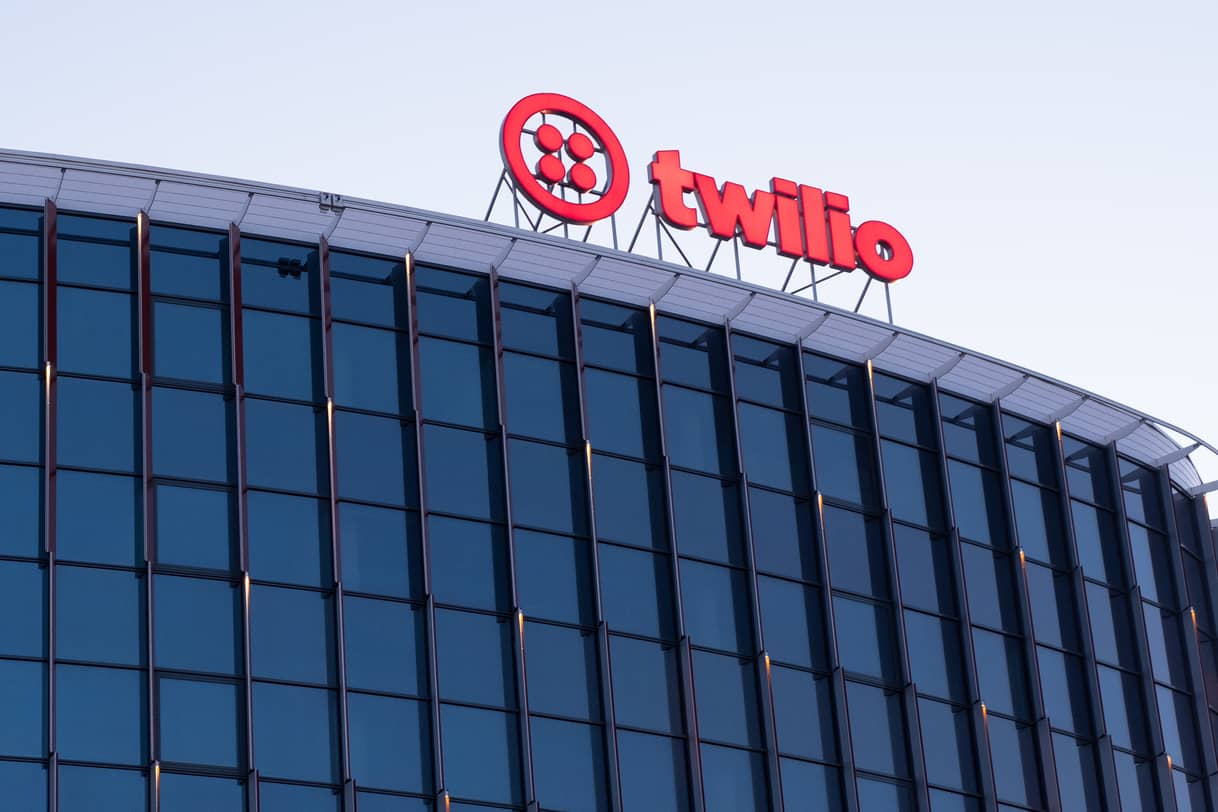
Twilio's stock rose 20% following the company's announcement of "unprecedented demand" for one of its artificial intelligence functions. This surge provided a boost to the software sector, which has faced headwinds due to broader AI concerns.
Shares of cloud communications platform Twilio (NYSE: TWLO) surged by 20% in recent trading, driven by what the company describes as "unprecedented demand" for a specific artificial intelligence function within its offerings. This significant single-day gain provided a notable uplift to the broader software sector, which has recently experienced downward pressure amid investor concerns surrounding the implications and competitive landscape of AI.
Twilio, a provider of programmable communication tools for developers, did not disclose specific financial metrics or detailed customer adoption rates tied to this particular AI function. However, the company's statement suggests a material increase in usage or new client acquisition related to its AI-powered communication solutions. The rally indicates that investors are interpreting this demand as a positive signal for Twilio's ability to capitalize on the ongoing AI transformation, potentially differentiating its offerings in a crowded market.
This stock movement comes at a time when technology companies, particularly those in software and cloud services, are under intense scrutiny regarding their AI strategies and the tangible revenue opportunities they present. While the broader market has been optimistic about AI's long-term potential, concerns about high development costs, competitive pressures, and the timeline for profitability have created volatility in certain tech segments. Twilio's reported demand could alleviate some of these fears for the company specifically, signaling a clearer path to monetization within the AI space.
Analyst's Take
While Twilio's stock jump signals strong demand for a specific AI function, the lack of granular data on revenue contribution suggests this is a sentiment-driven rally more than a fundamental re-rating. The true economic impact will only materialize in subsequent earnings reports, potentially creating an asymmetric risk/reward if the demand doesn't translate into proportional top-line growth, especially given the sector's current valuation sensitivity to AI profitability.


