MarketsMarketWatchMay 2, 2026· 1 min read
Griffin's Socialism Critique: A Reflection of Investor Sentiment Amid Policy Debates
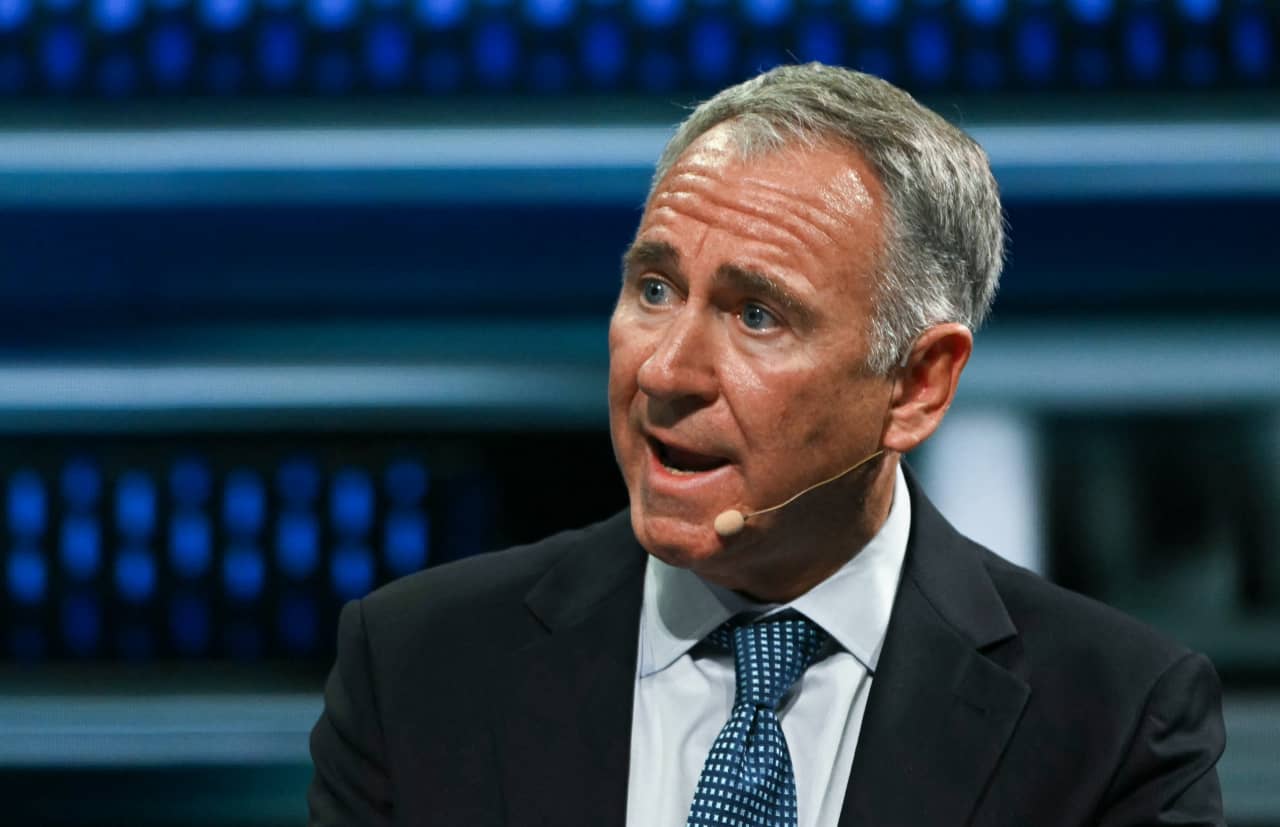
Hedge fund manager Ken Griffin criticized socialist economic models in the U.S., linking his comments to a New York City councilman's remarks about his property. This exchange highlights growing investor anxiety regarding potential shifts in economic policy towards greater wealth redistribution and government intervention.
Hedge fund manager Ken Griffin recently vocalized strong opposition to socialist economic policies, questioning their applicability in the American context. His comments emerged following New York City Councilman Zohran Mamdani's criticism of Griffin's significant real estate holdings, specifically a $238 million penthouse.
Griffin's remarks underscore a broader concern among certain segments of the financial elite regarding the potential impact of left-leaning economic policies on capital markets and wealth accumulation. These concerns typically revolve around increased taxation on high-net-worth individuals, wealth taxes, and greater government intervention in economic sectors, which proponents argue could stifle innovation and investment.
The debate highlights a growing ideological divergence in economic policy discussions within the United States. Advocates for more socialist-leaning policies often point to rising income inequality and the need for greater social safety nets, proposing measures like higher corporate taxes, increased regulation, and public ownership in key sectors. Conversely, critics like Griffin argue that such policies undermine the principles of free markets and risk deterring entrepreneurship and capital formation, potentially leading to economic stagnation.
Economically, the discourse reflects ongoing tensions between wealth redistribution and economic growth strategies. For investors, the potential for policy shifts towards greater state intervention or wealth taxation introduces regulatory and fiscal uncertainties. This can influence investment decisions, capital allocation, and potentially lead to capital flight if perceived as sufficiently detrimental to returns or property rights. The prominence of figures like Griffin in this debate signals that these policy discussions are not merely academic but are actively shaping the outlook of significant market participants.
Analyst's Take
While Griffin's comments directly address policy, the underlying market signal is a nascent concern over regulatory creep and property rights. This sentiment, if amplified, could subtly influence capital deployment decisions, especially in real estate and private equity, even before any concrete policy changes materialize, suggesting a potential undercurrent of risk aversion in long-term domestic investments for some high-net-worth individuals.


