EnergyOilPrice.comJul 10, 2026· 1 min read
Heatwaves Force European Nuclear Output Cuts, Threaten Energy Stability
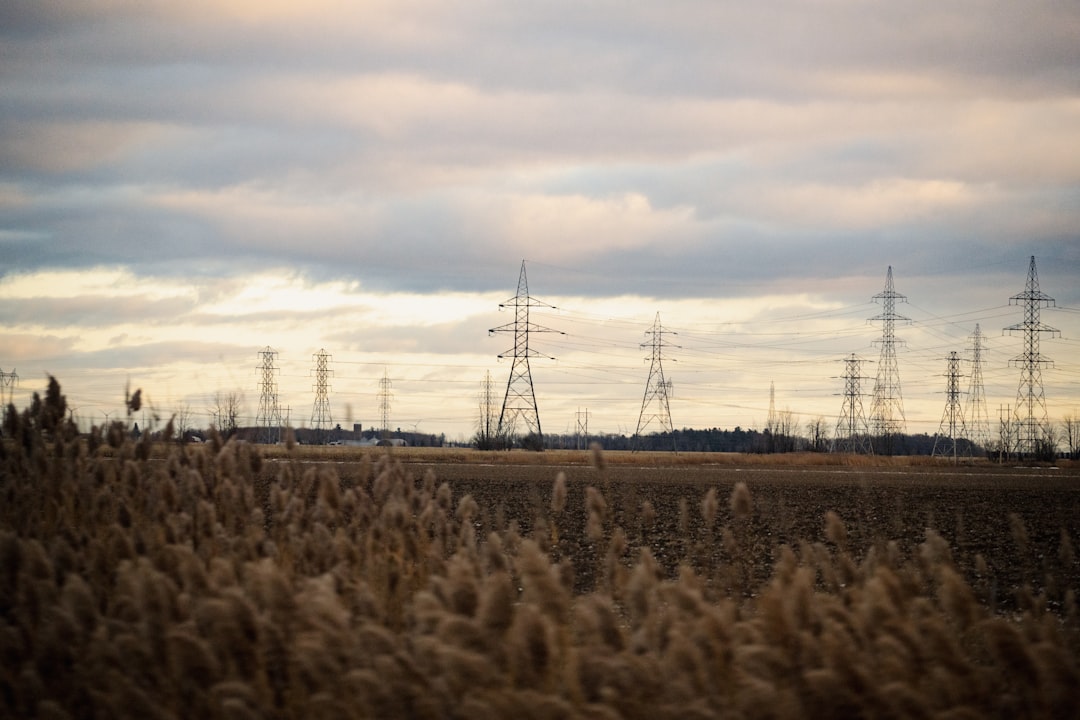
Europe's heatwave is forcing nuclear power plants, particularly in France, to cut electricity production due to high river temperatures impacting cooling systems. This development exacerbates energy security concerns by reducing baseload power supply amid surging demand, increasing the risk of grid instability and blackouts.
Europe's ongoing heatwave is compelling several nuclear power plants to reduce electricity generation, raising concerns about the continent's energy security. The extreme temperatures are stressing existing power grids and, critically, impacting river systems that serve as vital cooling sources for nuclear facilities. France, a major nuclear power producer, has notably announced production cuts at up to five plants this week, with two already implementing reductions. This situation highlights the vulnerability of conventional energy infrastructure to climate-related disruptions.
The reliance of nuclear power plants on consistent water temperatures for their cooling systems means prolonged periods of elevated river temperatures directly impede their operational capacity. This operational constraint occurs precisely when demand for air conditioning and cooling typically surges, further straining already taut electricity grids. The combination of reduced supply from critical baseload power sources and increased demand amplifies the risk of localized power disruptions and rolling blackouts across the continent. While France is currently at the forefront of these announcements, other European nations with significant nuclear or thermal power generation reliant on river cooling face similar risks as heatwaves persist and potentially intensify.
Analyst's Take
The immediate operational adjustments in European nuclear plants, while localized now, are an early signal of how climate change impacts will increasingly manifest as direct economic costs through energy supply shocks. This could accelerate investment away from large, centralized thermal power generation towards more distributed, weather-resilient renewable sources, impacting long-term capital allocation in utility sectors and potentially repricing assets reliant on traditional baseload capacity.