MarketsMarketWatchJun 5, 2026· 1 min read
New Blood Test for Colon Cancer Offers Screening Alternative Amidst Rising Rates
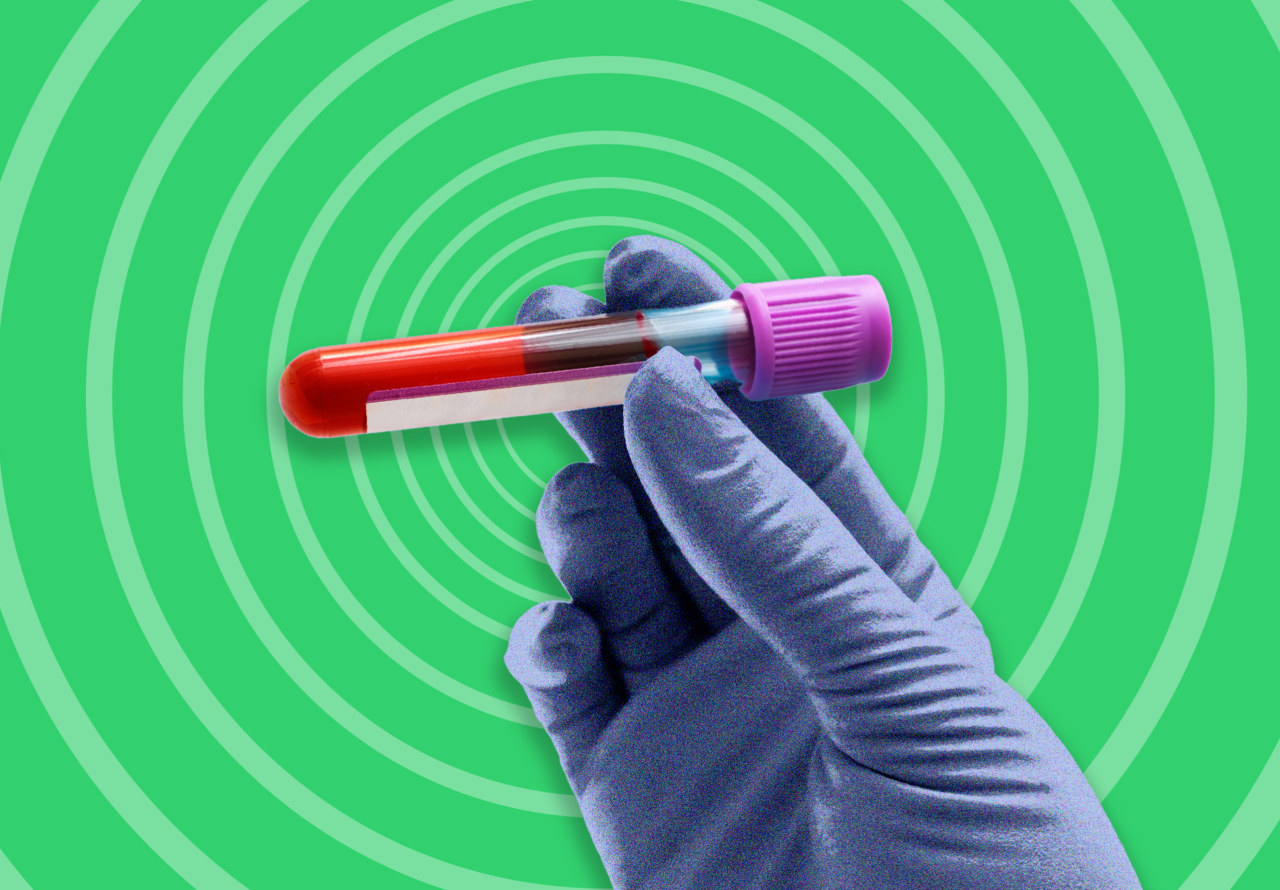
A new blood test for colon cancer offers a less invasive screening alternative, potentially boosting screening rates among 50 million unscreened Americans. While less sensitive than traditional methods, its adoption could lead to earlier detection, reducing healthcare costs and improving public health outcomes.
A novel blood test for colon cancer has demonstrated efficacy, presenting an alternative screening method for a disease with rising incidence rates and significant under-screening in the United States. Approximately 50 million Americans currently bypass conventional colon cancer screenings, a demographic where improved accessibility to less invasive options could have substantial public health and economic implications.
The new test, while less sensitive than established colonoscopy procedures, aims to address the significant barrier of patient aversion to current screening methods. The economic burden of late-stage colon cancer diagnosis, encompassing extensive treatment costs, lost productivity, and increased mortality, is substantial. By offering a simpler, less invasive option, the blood test could encourage a larger segment of the population to undergo initial screening, potentially leading to earlier detection and improved patient outcomes.
From an economic perspective, increased early detection rates would translate into reduced healthcare expenditures associated with advanced cancer treatment. Furthermore, a healthier workforce could mitigate productivity losses linked to the disease. The introduction of this test into the healthcare market signifies a potential shift in screening protocols, with implications for diagnostic companies, healthcare providers, and insurers. The test's adoption rate and integration into existing preventative care frameworks will be critical factors in determining its ultimate economic impact, particularly in conjunction with other non-invasive screening tools.
Analyst's Take
The real economic impact of this blood test won't solely depend on its diagnostic accuracy, but rather its influence on downstream healthcare utilization. A surge in positive results from the less accurate blood test could initially strain colonoscopy capacity and drive up diagnostic imaging costs, creating a bottleneck before the long-term benefits of early detection materialize.


