EnergyOilPrice.comJun 25, 2026· 1 min read
AI Boom to Propel Fuel Cell Market to $30 Billion by 2030 Amid Power Grid Strain
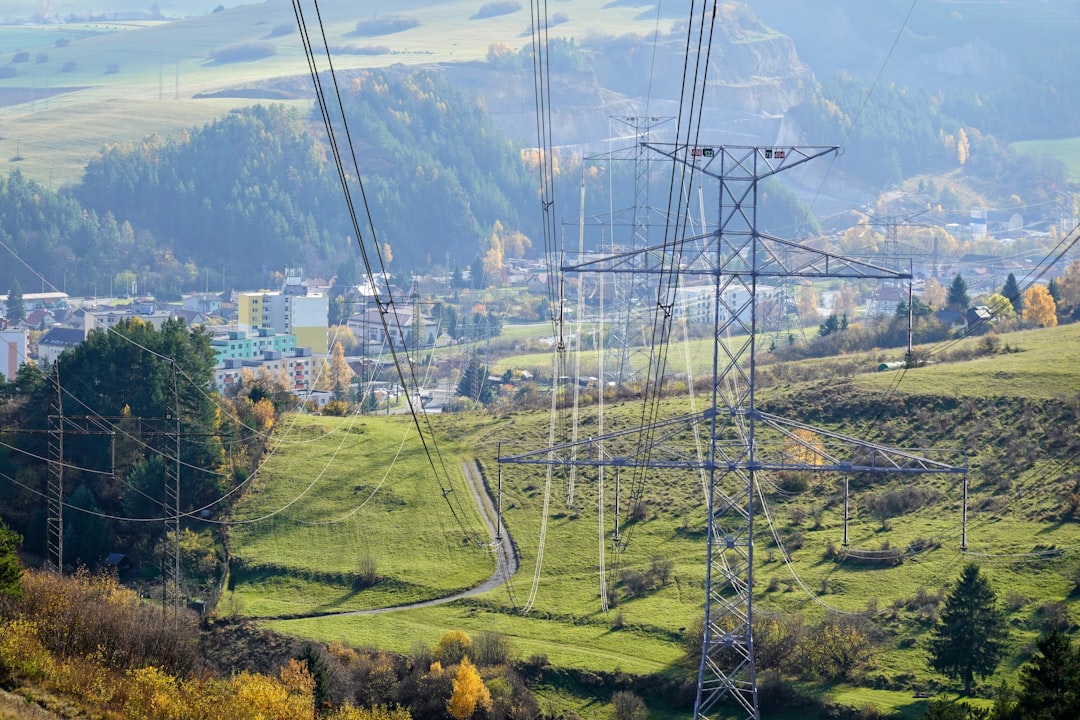
The global fuel cell market is projected to surge to $30 billion by 2030, a tenfold increase from 2025, driven by the escalating power demands of AI data centers. Developers are increasingly adopting on-site fuel cells as an alternative to strained traditional power grids, with major tech and energy firms already committing to substantial orders.
The burgeoning demand for artificial intelligence (AI) computing is poised to dramatically reshape the energy landscape for data centers, driving the global fuel cell market to an estimated $30 billion by 2030. This projection, based on Rystad Energy research, represents a tenfold increase from an anticipated $2.8 billion in 2025.
Data center developers, facing increasingly congested traditional power grids, are actively seeking reliable on-site power solutions. Fuel cells are emerging as a primary alternative, offering a decentralized and potentially more resilient energy source to meet the unprecedented power requirements of next-generation AI infrastructure. The shift underscores a strategic pivot within the tech industry towards greater energy independence and operational stability.
The forecasted growth is directly linked to the rapid expansion of data center construction, fueled by the insatiable energy demands of AI applications. Significant industry players are already committing to this transition, as evidenced by a contracted order book totaling approximately 9 gigawatts (GW). This includes framework agreements with major operators such as Oracle, AEP, Equinix, and Brookfield, signaling robust confidence in fuel cell technology as a viable and scalable power solution for large-scale computing facilities.
Economically, this trend signifies a substantial investment opportunity in the clean energy sector, particularly for manufacturers and service providers in the fuel cell value chain. It also highlights the growing economic implications of AI's infrastructure footprint, which extends beyond software and computing hardware to critical energy supply and distribution networks. The market expansion points to an accelerated integration of distributed energy resources into critical industrial applications, potentially easing pressure on national power grids while fostering innovation in energy storage and generation.
Analyst's Take
While the headline focuses on fuel cell market growth, the underlying pressure on grid infrastructure from AI expansion suggests an accelerating demand for grid modernization and potential public-private partnerships in energy transmission. This dynamic could create unforeseen bottlenecks or opportunities in related sectors like smart grid technology and energy storage, potentially diverting capital from traditional power generation projects.