EnergyChannel News Asia BusinessApr 26, 2026· 1 min read
Maoist Surrenders in Telangana Signal Easing Regional Instability
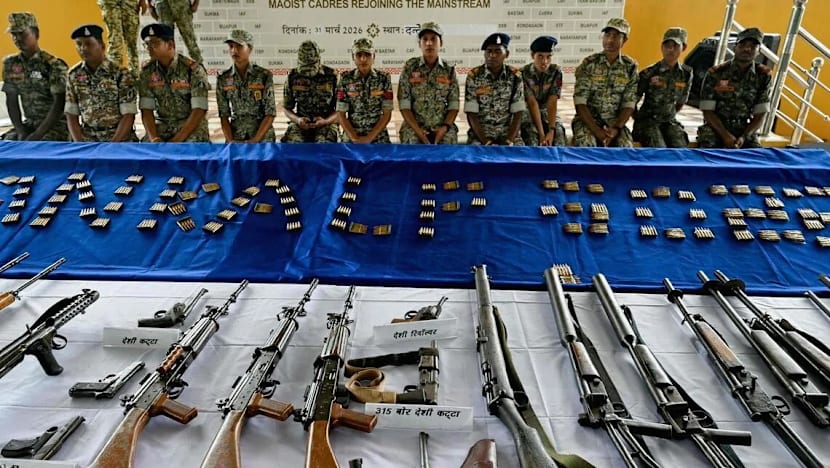
Police in India's Telangana state reported the surrender of 47 Maoist rebels and the neutralization of key leaders, signaling a significant weakening of the insurgent movement there. This development could enhance regional economic stability, fostering investment and infrastructure development in previously conflict-affected areas.
Indian authorities in the Telangana state have reported the surrender of 47 Maoist rebels, indicating a significant reduction in the insurgent group's operational capacity within the region. Police officials stated that the 'neutralisation' of 'almost all remaining underground key leaders' marks a substantial setback for the Maoist movement in Telangana. This development suggests a shift towards greater stability and potentially improved security conditions in areas historically affected by Maoist activities.
The economic implications of such a development are primarily tied to regional investment and resource exploitation. Areas previously impacted by insurgent violence often face impediments to infrastructure development, agricultural productivity, and industrial investment due to security risks and extortion. The reported weakening of the Maoist presence could pave the way for increased government expenditure on public works, facilitate private sector investment in mining, forestry, and agricultural ventures, and reduce operational costs for existing businesses by mitigating security premiums.
Furthermore, improved law and order can enhance the efficiency of supply chains and transportation networks, which have historically been disrupted by insurgent activities. This could lead to lower logistics costs for businesses operating in and through Telangana. The 'mainstreaming' of former rebels also presents a potential economic benefit if they are successfully integrated into the workforce, contributing to labor supply and reducing social welfare burdens associated with conflict.
While the immediate macroeconomic impact on India is likely limited given the localized nature of the event, the long-term regional economic uplift could be substantial. It signals a reduction in a non-state actor risk that has deterred investment and development in several resource-rich but conflict-prone areas of India. Continued success in neutralizing insurgent threats across other affected states could collectively contribute to a more predictable and attractive investment climate for both domestic and international capital.
Analyst's Take
While seemingly regional, this event could quietly de-risk specific resource-rich areas in Telangana, potentially unlocking previously inaccessible land for mining or forestry. This micro-level de-risking, if replicated across other Maoist-affected states, could contribute to a subtle but cumulative uplift in India's overall resource supply chain and ease inflationary pressures on raw materials by making domestic sources more viable.