EnergyOilPrice.comMay 16, 2026· 1 min read
Global Fertilizer Crunch Threatens Food Security Amid Energy Disruptions
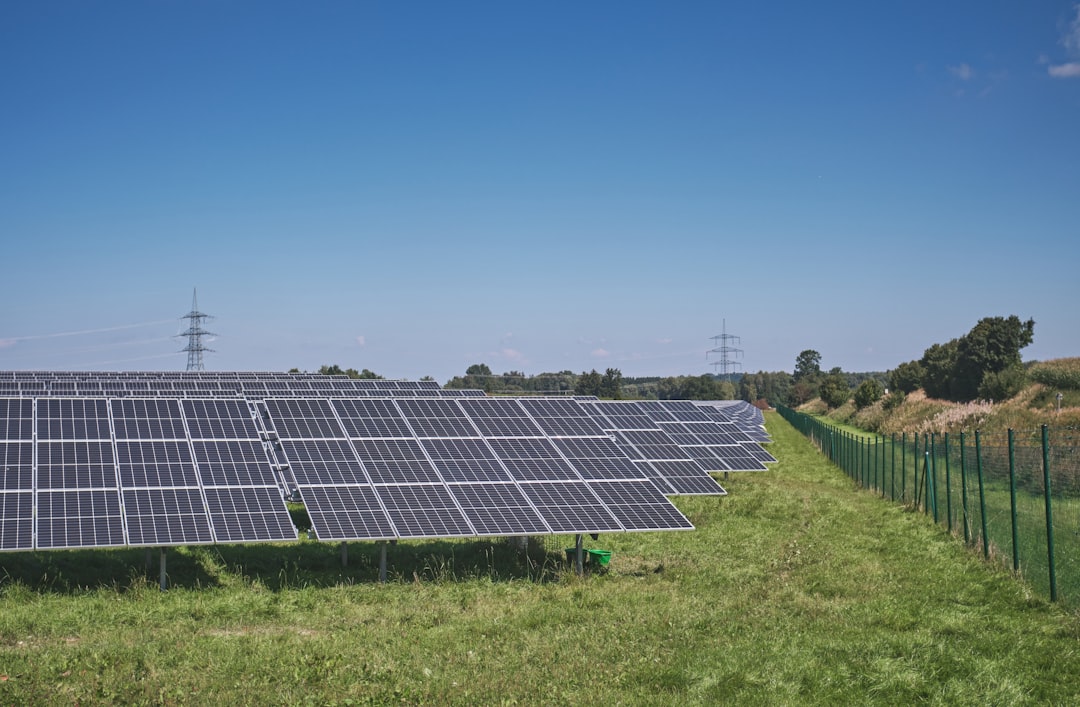
Geopolitical disruptions have led to severe global oil market instability, triggering significant energy shortages. This has critically impacted the energy-intensive fertilizer industry, jeopardizing agricultural output and potentially leading to global food price inflation and shortages.
Ongoing geopolitical tensions and subsequent trade disruptions between Asia and Europe are precipitating a severe global fertilizer shortage, according to recent assessments. The International Energy Agency (IEA) has characterized current oil market disruptions as unprecedented, leading to cascading effects across various sectors.
Over the past two and a half months, energy shortages have significantly impacted industrial production, most notably within the fertilizer industry. This critical sector is highly energy-intensive, relying on natural gas as both a feedstock and fuel for ammonia production, a key component in most synthetic fertilizers. Reduced energy availability and elevated prices are forcing production cutbacks and increased operational costs for fertilizer manufacturers worldwide.
The resulting scarcity of affordable fertilizers is directly affecting agricultural producers globally. Farmers are facing difficulties in securing essential crop inputs, which are vital for maintaining soil fertility and maximizing yields. This lack of access to necessary nutrients is expected to suppress agricultural output in the coming growing seasons.
Economically, the implications are multi-faceted. Higher input costs for farmers will inevitably translate into increased food production expenses, likely driving up consumer food prices. Furthermore, reduced crop yields could exacerbate existing inflationary pressures and contribute to global food insecurity, particularly in import-dependent nations. The disruption to fertilizer supply chains underscores the interconnectedness of energy markets, geopolitical stability, and global food systems.
Analyst's Take
The market may be underestimating the lagged impact of fertilizer shortages on H2 2024 and 2025 agricultural commodity prices, as planting decisions and crop yields are forward-looking. Bond markets, typically more sensitive to long-term inflation expectations, might signal mounting pressure if agricultural commodity futures don't yet fully reflect the severity, indicating a potential mispricing of future food inflation.