EnergyOilPrice.comMay 20, 2026· 1 min read
Soaring Fuel Costs Prompt US Commuters to Shift Habits
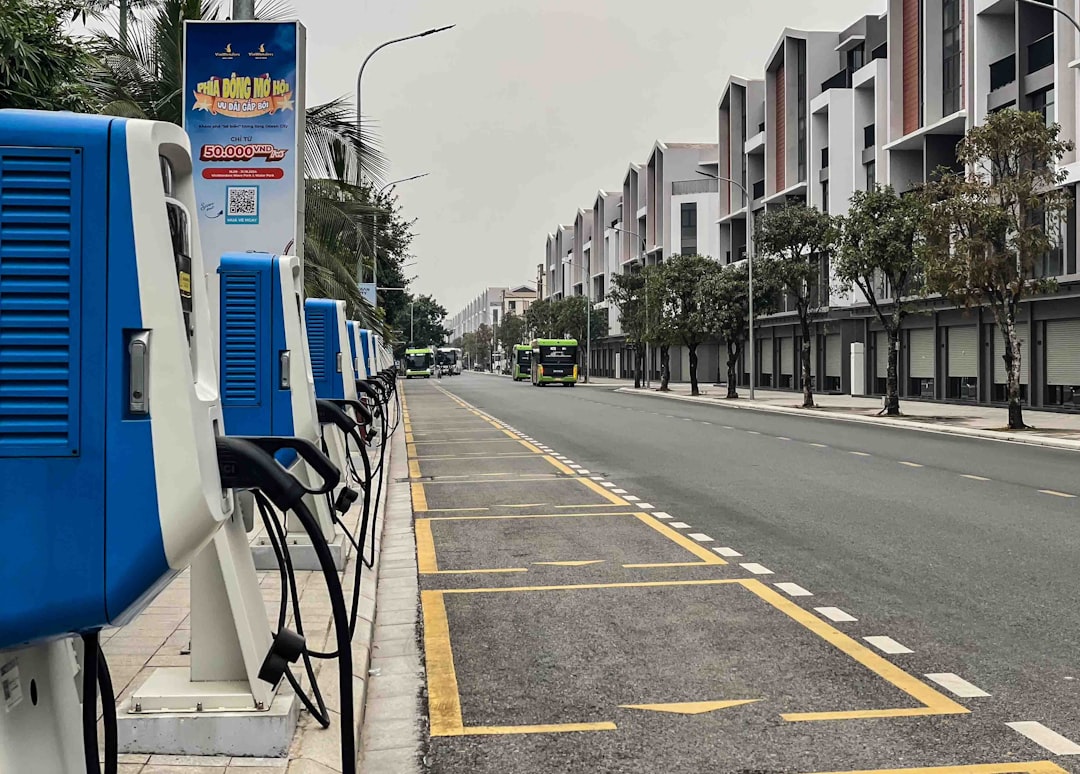
Record gasoline prices in the U.S. are driving a significant shift in consumer behavior, with more Americans utilizing public transportation and seeking fuel-efficient alternatives. This trend highlights the economic pressure on households and potential inflationary impacts, despite a slower embrace of electric vehicles compared to other global markets.
Rising gasoline prices, currently at a four-year high, are significantly altering American consumer behavior, particularly concerning transportation. Commuters are increasingly opting for public transportation, including buses and trains, for daily travel and errands. The substantial cost of filling a standard vehicle, such as a Toyota Highlander at approximately $95, is prompting some consumers to seek unconventional, more fuel-efficient alternatives for short trips.
While the global surge in fuel costs has accelerated electric vehicle (EV) adoption in European and Asian markets, the United States has seen a less pronounced shift towards EVs. This divergence in response highlights regional differences in market dynamics, infrastructure, and consumer preferences for alternative energy vehicles.
The observed behavioral changes, from increased public transport ridership to improvised fuel-saving measures, signal a broader economic impact on household budgets. Higher transportation expenses reduce discretionary income, potentially dampening consumer spending in other sectors. Businesses reliant on gasoline for logistics and operations may also face increased costs, which could be passed on to consumers through higher prices, contributing to inflationary pressures.
This trend underscores the sensitivity of the US economy to energy price fluctuations. Sustained high fuel costs could necessitate longer-term adjustments in urban planning, public transport investment, and the automotive industry's strategic focus, even as EV adoption lags behind other major economies.
Analyst's Take
The market appears to be underestimating the potential for a more significant and sustained demand destruction for gasoline, extending beyond the immediate shift to public transport. Should fuel prices remain elevated, we could see a delayed but accelerating adoption of smaller, more efficient conventional vehicles and a further strain on discretionary consumer spending, impacting retail and leisure sectors more than currently priced in.