MarketsMarketWatchMay 5, 2026· 1 min read
Gold Timing Indicator Signals Potential Rally Amid Investor Pessimism
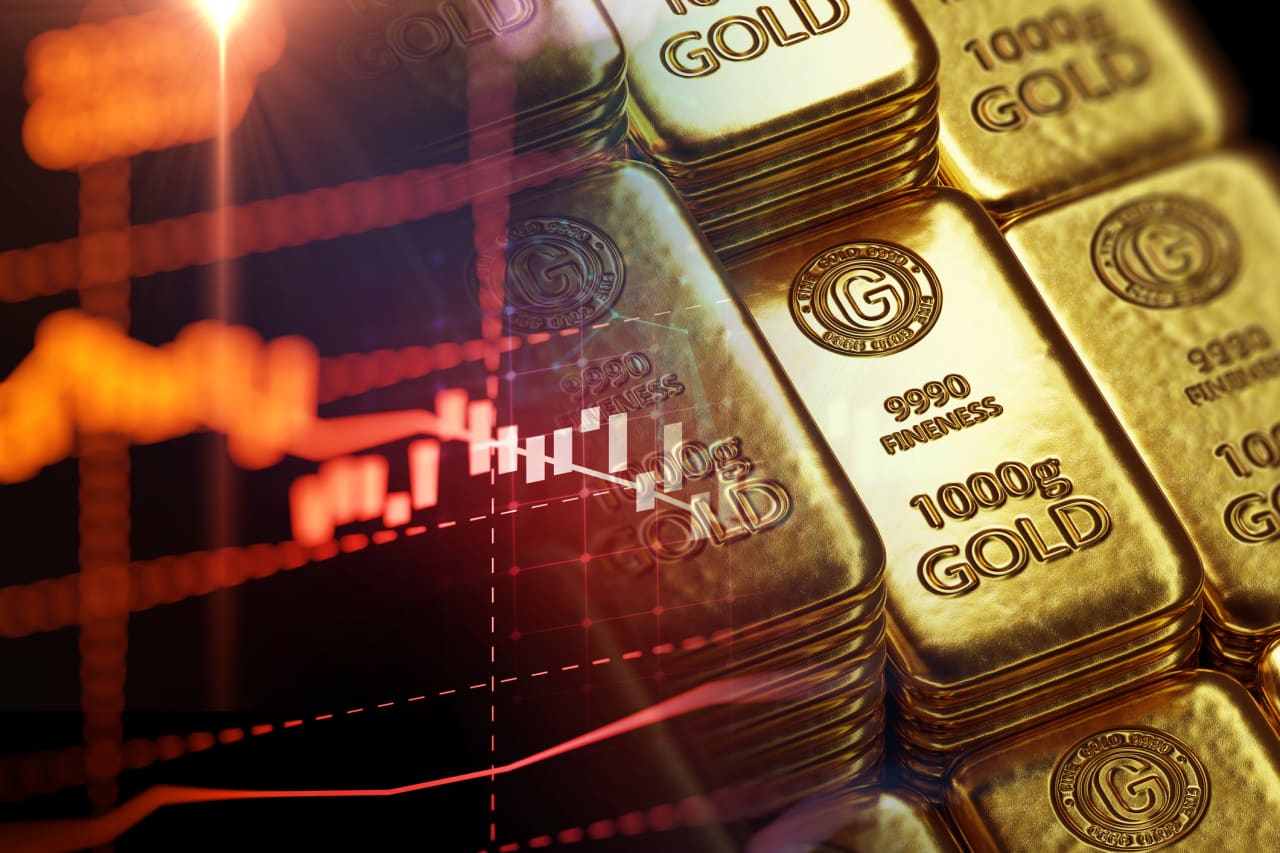
A proprietary gold timing indicator, signaling extreme investor pessimism, has hit a bottom, historically preceding strong rallies in gold and gold miners. This contrarian signal suggests a potential upward movement in the precious metal, often linked to safe-haven demand or inflation concerns.
A proprietary gold timing indicator, based on investor sentiment, has reportedly reached a bottom, suggesting a potential rally in gold prices and gold mining stocks. The indicator tracks moments of "extreme pessimism" among investors, which historically precede periods of strong performance for the precious metal.
Historically, gold and related equities tend to perform best when investor sentiment is at its lowest point. This contrarian signal indicates that the market may be poised for an upward movement as investors, who had previously divested or expressed significant bearishness, begin to re-enter or reverse their positions.
Such indicators often leverage various data points to gauge market sentiment, including surveys, options activity, and trading volumes, to identify points of capitulation. The current reading suggests a significant level of investor disengagement or negative outlook regarding gold's immediate prospects, which paradoxically, has been a reliable precursor to price appreciation.
The economic implications of a gold rally are multifaceted. Gold is often seen as a safe-haven asset, and its performance can reflect broader concerns about inflation, currency stability, or geopolitical risks. An uptick in gold prices could signal a shift in investor risk appetite, potentially indicating a move away from riskier assets or a hedge against perceived economic uncertainties. Conversely, a sustained rally might also reflect underlying inflationary pressures that central banks are grappling with.
For gold miners, a rally typically translates to improved profitability, as their production costs remain relatively stable while the price of their output increases. This can lead to increased capital expenditure, exploration, and potentially higher dividends, impacting the broader materials sector.
Analyst's Take
While a gold rally often signals defensive positioning, a sustained upward move might paradoxically coincide with a broader rotation from tech into value sectors. This could imply investors are anticipating either persistent inflation that eventually forces central banks to ease, or a 'soft landing' scenario where gold acts as a diversified portfolio hedge, rather than solely a crisis play. The true test will be if institutional flows, particularly into gold ETFs, confirm this sentiment shift beyond retail and speculative positions.


