MarketsSMH BusinessApr 21, 2026· 1 min read
ATO to Review Work Travel Deduction Rate as Fuel Costs Bite
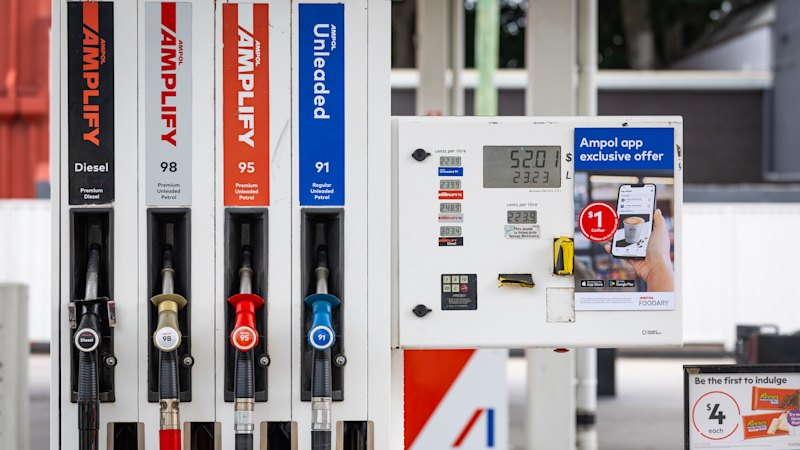
The Australian Tax Office is evaluating an increase to the cents-per-kilometre rate for work-related car expense tax deductions, with a decision expected in May, prompted by persistent fuel price surges. This adjustment would offer financial relief to eligible taxpayers against rising transport costs but could also lead to a reduction in government tax revenue, reflecting broader inflationary pressures.
The Australian Tax Office (ATO) is set to decide in May on a potential increase to the cents-per-kilometre rate, a key metric for work-related car expense tax deductions. This review comes in direct response to the sustained surge in fuel prices, which has significantly impacted both household budgets and operational costs for businesses relying on vehicle use.
Currently, the simplified cents-per-kilometre method allows individuals to claim a deduction for work-related car expenses based on a set rate per kilometre travelled, up to 5,000 kilometres per financial year. For the 2023-24 income year, this rate stands at 85 cents per kilometre. A decision by the ATO to lift this rate would directly translate into larger potential tax deductions for employees and sole traders who use their personal vehicles for work purposes, effectively offering some relief against rising transport costs.
Economically, the implications of such a change are noteworthy. While an increase would undoubtedly ease some financial pressure on eligible taxpayers grappling with elevated cost-of-living expenses, particularly at the fuel pump, it also represents a potential reduction in government tax revenue. The move reflects a broader acknowledgement of inflationary pressures, with fuel prices being a particularly visible and impactful component of the consumer price index. For many, work-related travel is an unavoidable expense, and an updated deduction rate would better reflect the true cost of business operations in the current economic climate.
The ATO's assessment will weigh various factors, including current average fuel costs, vehicle running expenses, and the overall economic environment. The outcome, expected within months, will be keenly watched by a wide range of taxpayers looking to optimise their financial position amidst persistent economic headwinds.


