MarketsMarketWatchJun 19, 2026· 1 min read
Goldman Sachs Cuts Gold Forecast by $500 Amidst Hawkish Fed Stance
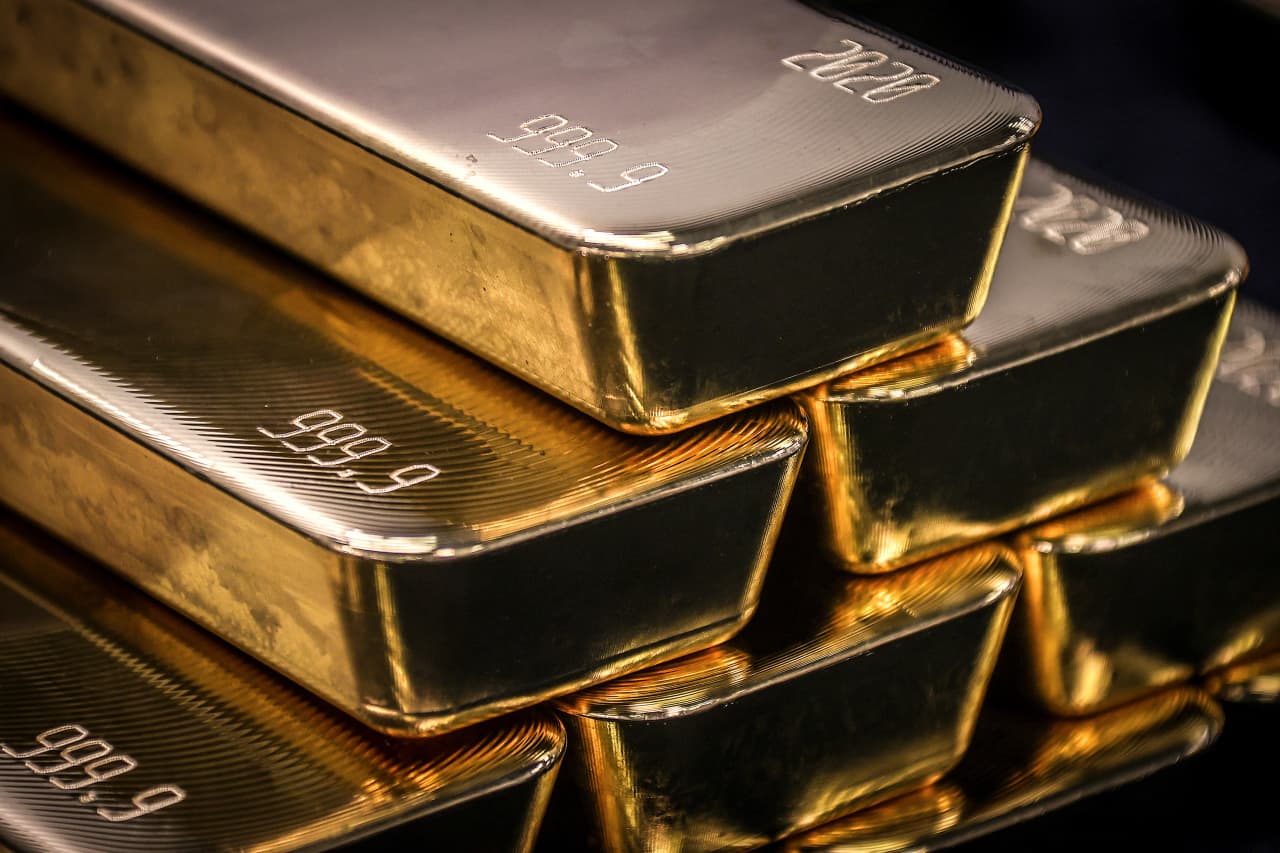
Goldman Sachs has lowered its year-end gold price forecast by $500 to $4,900 an ounce, citing a new hawkish stance from the Federal Reserve. This revision underscores the expected impact of higher interest rates and a stronger dollar on non-yielding assets like gold.
Investment banking giant Goldman Sachs has revised its year-end gold price forecast downwards by $500, now projecting the precious metal to reach $4,900 an ounce instead of its previous estimate of $5,400. This significant adjustment comes as strategists at the bank acknowledge a 'new hawkish reality' from the Federal Reserve, implying a more aggressive monetary tightening path than previously anticipated.
The revised outlook reflects an expectation that higher interest rates and a stronger U.S. dollar, typically disincentives for gold holdings, will exert downward pressure on the metal's price. Gold, which offers no yield, tends to become less attractive in an environment of rising rates, as investors can find higher returns in interest-bearing assets. A stronger dollar also makes dollar-denominated commodities like gold more expensive for holders of other currencies, dampening demand.
Goldman Sachs's previous forecast of $5,400 had been among the more bullish predictions in the market, reflecting a belief in persistent inflation and geopolitical risks supporting gold's safe-haven appeal. The recalibration signals a shift in market sentiment and a reassessment of the Fed's commitment to combating inflation, even if it entails sustained higher rates. This move by a major financial institution could influence other market participants' gold strategies, potentially leading to further adjustments across the commodities market.
Analyst's Take
While seemingly a simple commodity forecast revision, Goldman's move likely anticipates a broader re-evaluation of carry trades across global markets, not just in gold, as the cost of capital fundamentally shifts. The timing suggests they're positioning ahead of potential deeper yield curve inversions or a more sustained dollar rally, which haven't fully played out but are becoming more probable given the Fed's signaled conviction.


