MarketsMarketWatchMay 28, 2026· 1 min read
Costco's Q3 Surge Driven by Record Gas Demand, Defying Broader Retail Trends
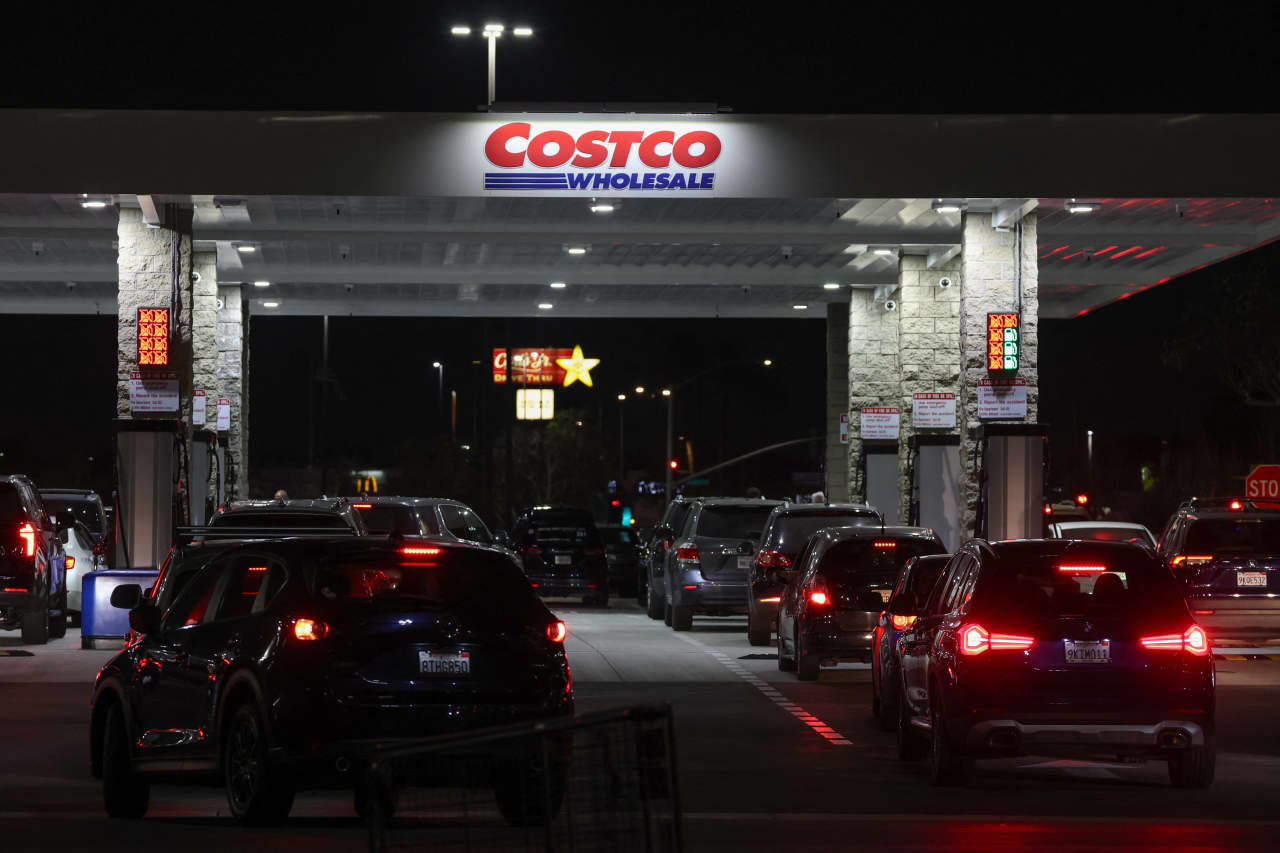
Costco's third-quarter same-store sales jumped 9.8%, surpassing analyst estimates, largely driven by record gasoline demand as consumers anticipated future price increases. This performance suggests a consumer shift towards value-oriented retailers amid inflationary pressures.
Costco Wholesale Corporation reported a robust 9.8% increase in same-store sales for its third quarter, significantly outperforming analyst expectations. This growth was notably bolstered by exceptional demand for gasoline, as consumers reportedly sought to pre-empt future price increases at the pump.
The warehouse retailer's strong performance offers a counter-narrative to broader retail sector concerns, particularly regarding discretionary spending in an inflationary environment. While specific sales figures for gasoline were not disaggregated, the company indicated that fuel sales played a substantial role in the overall same-store sales uplift, contributing to the higher-than-anticipated revenue.
This trend suggests that consumers are actively seeking value and optimizing their spending, even for essential commodities like fuel. Costco's membership model and competitive pricing, especially for gasoline, appear to be a significant draw for cost-conscious shoppers. The preemptive purchasing behavior observed for gasoline points to heightened consumer sensitivity to inflation and expectations of continued price volatility in the energy sector.
The financial implications extend beyond Costco's immediate balance sheet, highlighting the ongoing impact of energy costs on household budgets and consumer behavior. As fuel prices remain a critical component of inflation indices, their influence on consumer spending patterns at retailers like Costco underscores a broader economic theme of adaptive purchasing strategies in response to persistent cost pressures. This performance may also signal a continued shift in retail market share towards value-oriented chains that can mitigate inflationary impacts for their customers.
Analyst's Take
While Costco's gasoline demand appears to signal consumer inflation hedging, it also reflects the inelasticity of fuel consumption. The true economic signal here is less about 'record demand' and more about 'record search for value,' suggesting broader disinflationary pressures are not yet strong enough to temper consumer sensitivity to everyday costs, potentially leading to sustained pressure on non-discount retailers.


