MarketsMarketWatchJul 24, 2026· 1 min read
Treasury Yields Surge, Signaling Mortgage Rate Hikes and Housing Market Cool-down
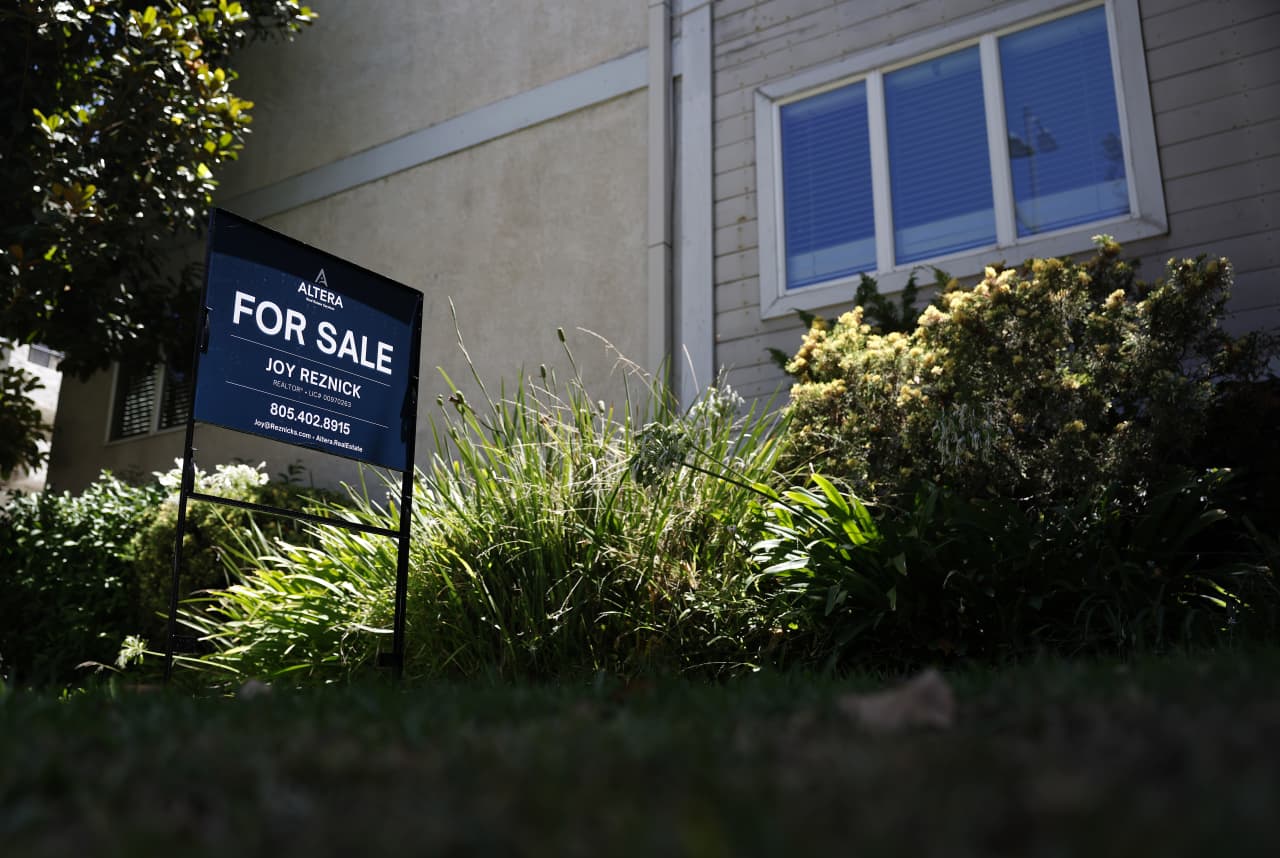
Treasury yields have climbed, indicating that 30-year fixed-rate mortgage rates could soon reach 7% or higher, marking a new peak for 2024. This trend signals increased borrowing costs for homebuyers and a potential further cooling of the U.S. housing market.
The U.S. Treasury market is sending a clear signal for the housing sector, with yields experiencing a significant uptick. This movement suggests that 30-year fixed-rate mortgages could soon approach or exceed 7%, marking a new high for 2024. The increase in Treasury yields, particularly across longer durations, directly influences mortgage rates as lenders benchmark their offerings against these government securities.
Historically, a rise in Treasury yields translates into higher borrowing costs for consumers, particularly for large purchases like homes. The housing market, already grappling with affordability challenges and limited inventory, is likely to face further headwinds. Higher mortgage rates dampen buyer demand by increasing monthly payments, potentially sidelining prospective purchasers and leading to a slowdown in transaction volumes.
Economists are closely monitoring the Federal Reserve's stance on monetary policy, as expectations for future interest rate movements heavily influence Treasury yields. While the Fed has signaled a potential pause or even cuts later in the year, persistent inflationary pressures or stronger-than-expected economic data could push yields higher, prolonging the upward pressure on mortgage rates. This scenario could lead to a more pronounced cooling in the housing market than currently anticipated, impacting home prices and construction activity.
The implications extend beyond just home sales, affecting refinancing activity and home equity lines of credit. Existing homeowners with lower fixed rates may become less willing to move, further constraining inventory. The broader economic impact could include reduced consumer spending power due to higher housing costs, potentially affecting retail sales and other discretionary sectors.
Analyst's Take
The sustained rise in Treasury yields, if unaddressed by a clearer Fed dovish pivot, may not only cool the housing market but also exacerbate a 'lock-in effect' for existing homeowners, further constricting housing inventory. This dynamic could lead to a divergence between new home sales, which might benefit from builder incentives, and existing home sales, which could see prolonged stagnation.


