MacroBBC BusinessJun 7, 2026· 1 min read
Tata Steel's £1.25bn UK Furnace Faces Potential Electrical Connectivity Delay
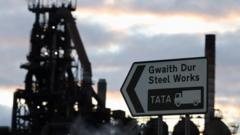
Tata Steel's £1.25 billion electric arc furnace project in Port Talbot faces potential delays due to electrical connectivity challenges, impacting its decarbonization timeline. This development could affect the UK's industrial emissions reduction targets and the long-term economic stability of the Port Talbot steelworks.
Tata Steel's ambitious £1.25 billion electric arc furnace (EAF) project in Port Talbot, UK, is encountering a potential delay due to electrical connectivity challenges. The proposed EAF is a cornerstone of the company's decarbonization strategy, aiming to replace traditional blast furnaces and significantly reduce carbon emissions from its UK operations. This investment is also tied to a £500 million grant from the UK government.
The electrical issue centers on securing the necessary grid connections and capacity to power the new furnace. Steelmaking, especially via electric arc technology, is highly energy-intensive, requiring substantial and reliable electricity supply. Any deferment in establishing this critical infrastructure could push back the operational timeline for the new facility.
The project is designed to transition Tata Steel's Port Talbot plant away from coal-fired blast furnaces, aligning with broader environmental mandates and the UK's net-zero targets. The EAF technology, which primarily uses recycled scrap steel, is projected to cut the UK's industrial carbon emissions by 1.5% and the Port Talbot site's emissions by 85%. While the exact duration of the potential delay remains unspecified, it introduces uncertainty into the timeline for this major industrial transition.
From an economic standpoint, a delay could impact local employment stability during the transition phase, potentially prolonging reliance on less efficient, higher-emission production methods. Furthermore, it could affect the UK's domestic steel supply chain and its competitiveness in a global market increasingly prioritizing green manufacturing. The project's successful implementation is crucial for securing the long-term viability of steel production in South Wales.
Analyst's Take
The reported electrical connectivity issue highlights a broader, often underappreciated, bottleneck in the global green industrial transition: grid infrastructure. While headlines focus on new EV factories or green steel plants, the capacity of existing electrical grids to handle the substantial new load from electrifying heavy industry and transportation is a silent constraint that will increasingly dictate the pace of decarbonization efforts and could lead to cost overruns or rerouted investments. This implies potential future scrutiny on utility capital expenditure and regulatory approvals for grid upgrades.

