MarketsMarketWatchApr 29, 2026· 1 min read
Strait of Hormuz Impasse Drives Oil Above $115, Economic Impact Looms
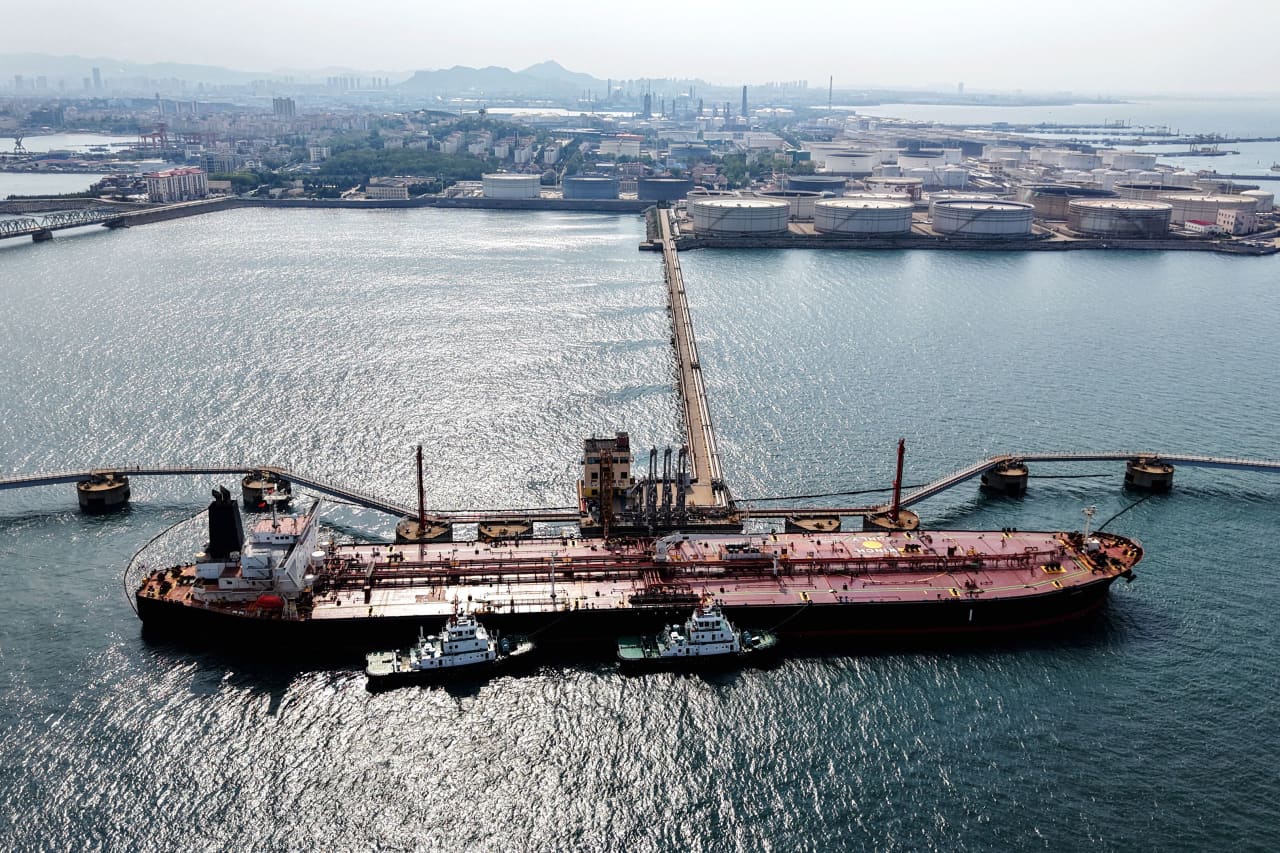
Global oil futures exceeded $115 per barrel on Wednesday, nearing prior conflict-era highs, as the impasse in the Strait of Hormuz continues to restrict tanker movement. This sustained increase in oil prices presents significant inflationary risks and could dampen global economic growth.
Global oil futures continued their upward trajectory on Wednesday, with the benchmark contract surpassing $115 per barrel. This rally brings prices close to levels observed during the initial phases of the conflict in Iran, driven primarily by the ongoing impasse affecting oil tanker transit through the Strait of Hormuz.
The Strait of Hormuz is a critical chokepoint for global oil supply, through which approximately one-fifth of the world’s daily oil consumption passes. Continued disruptions or perceived threats to shipping in this region inevitably translate into higher crude oil prices due to supply uncertainty and increased transit costs, including insurance premiums.
Economically, sustained high oil prices pose significant inflationary pressures, particularly for import-dependent nations. Businesses face elevated operational costs across sectors, from transportation and logistics to manufacturing. Consumers are likely to experience higher prices at the pump, eroding purchasing power and potentially dampening overall consumer spending.
Central banks, already grappling with existing inflationary trends, could find their policy decisions complicated by energy price shocks. Persistent oil price hikes might necessitate a more hawkish stance, potentially impacting economic growth prospects. The longer the impasse continues without resolution, the greater the risk of a more pronounced negative impact on global economic stability and inflation targets.
Analyst's Take
While the immediate focus is on inflationary pressures from higher crude, the prolonged Strait of Hormuz issue could trigger a noticeable shift in global energy investment towards more localized, resilient supply chains and alternative fuels, moving beyond traditional geopolitical risk premium calculations. This long-term re-evaluation of energy security, accelerating green transitions, might be overlooked by markets primarily reacting to immediate supply shocks.


