MacroBBC BusinessJun 1, 2026· 1 min read
Airlines Eye Industry-Wide Blacklist for Disruptive Passengers
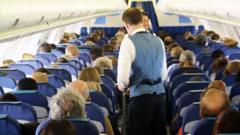
A proposal is underway to create an industry-wide blacklist allowing airlines to share information on disruptive passengers and deny them future flights. This initiative aims to reduce operational costs associated with unruly behavior and improve overall passenger safety and experience.
A new proposal seeks to establish an industry-wide blacklist for disruptive airline passengers, allowing carriers to share information and potentially deny future travel to individuals exhibiting abusive behavior. This initiative aims to enhance safety and operational efficiency by deterring problematic conduct that currently imposes significant costs on airlines and impacts passenger experience.
Currently, incidents of disruptive behavior, ranging from verbal abuse to physical altercations, often result in individual airline bans. However, without a centralized system, these passengers can simply book with a different carrier. The proposed scheme addresses this loophole by enabling information sharing across multiple airlines, creating a more comprehensive deterrent.
Economically, such a system could lead to reduced operational disruptions and associated costs, including diverted flights, additional security expenses, and legal fees. Airlines frequently face expenses related to managing unruly passengers, which can include compensating affected passengers or covering the costs of unscheduled landings. A standardized blacklist could mitigate these financial burdens by effectively removing repeat offenders from the air travel ecosystem.
Moreover, the measure could indirectly boost passenger confidence and willingness to travel, potentially supporting demand in the aviation sector. Enhanced safety and a more predictable travel environment might appeal to consumers, fostering a more pleasant and reliable travel experience. Implementation would require careful consideration of data privacy regulations and a standardized definition of 'disruptive behavior' to ensure fair and consistent application across the industry.
Analyst's Take
While seemingly a micro-level operational fix, this proposal, if adopted broadly, could establish a precedent for cross-industry data sharing beyond safety incidents, potentially paving the way for collaborative approaches to customer risk management in other sectors. The real economic impact will materialize not just from direct cost savings, but from the network effect of improved passenger perception and the subtle shift in travel demand toward carriers perceived as safer and more orderly, which could manifest in booking patterns over the medium term.

