EnergyOilPrice.comJun 24, 2026· 1 min read
Trump Campaign Targets Nuclear Power for U.S. Grid Expansion
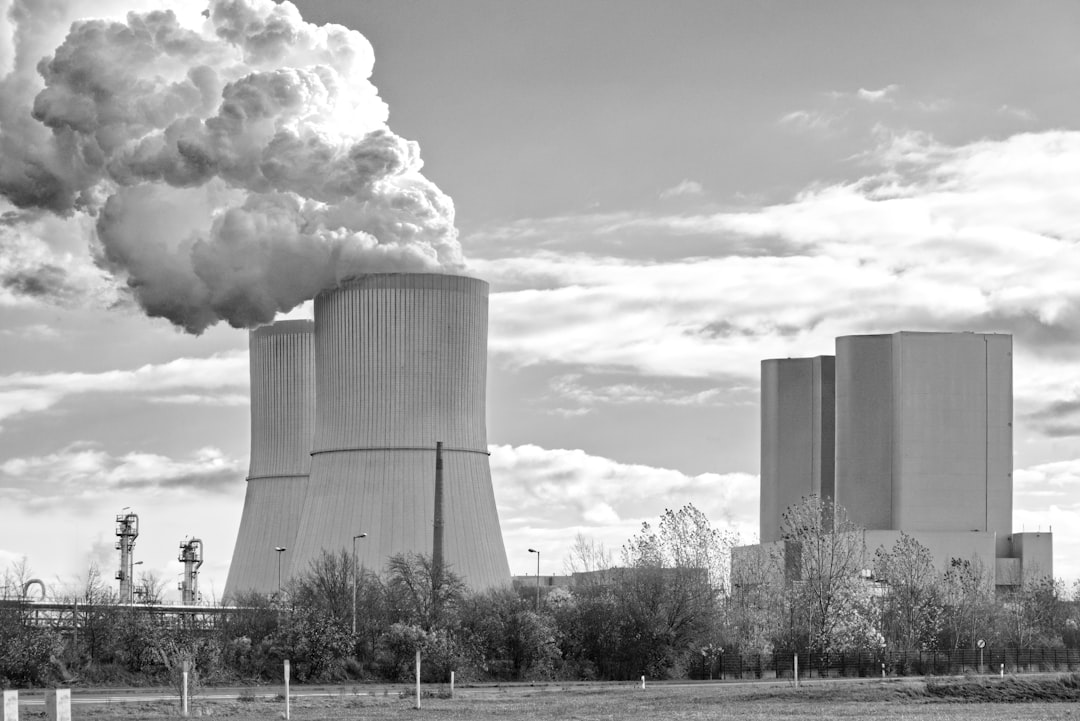
The Trump campaign is reportedly preparing to advocate for a significant expansion of U.S. nuclear power, aiming to meet surging electricity demand from data centers and industrial reshoring. This initiative seeks to position nuclear energy as a reliable, clean baseload power source for the modern economy.
The Trump campaign is reportedly planning an aggressive push to accelerate nuclear power deployment across the United States. This strategic focus aims to address the rapidly escalating demand for baseload electricity, driven by significant capital expenditures from hyperscalers in data centers, ongoing industrial reshoring initiatives, and broader grid electrification efforts.
Estimates suggest that data center capital expenditure alone could reach $800 billion this year, creating unprecedented power requirements. Proponents of nuclear energy argue that intermittent renewable sources like solar and wind cannot consistently meet the scale and reliability mandates of the modern industrial and digital economy. Nuclear power, conversely, is positioned as a clean, always-on energy solution critical for powering the burgeoning AI era.
The proposed policy framework by the Trump administration would seek to streamline regulatory processes, incentivize investment, and potentially provide direct support for the construction and modernization of nuclear power plants. This move signals a potential shift in national energy strategy, prioritizing stable, high-output energy generation over a sole reliance on variable renewable sources to ensure grid stability and economic competitiveness. The long-term economic implications include potential job creation in specialized engineering and construction sectors, along with enhanced energy security and reduced vulnerability to price volatility in fossil fuel markets.
Analyst's Take
While seemingly a positive for energy stability, this policy push, if enacted, will face significant hurdles from permitting timelines and public perception, potentially leading to increased capital expenditure and longer lead times for utility-scale projects. The immediate market impact might be limited to defense contractors and specialized nuclear engineering firms, with broader grid benefits materializing only after the next decade, potentially mispricing short-term expectations for energy producers.