EnergyOilPrice.comJun 4, 2026· 1 min read
Brazil Pioneers Ethanol Grid Power, Signaling Biofuel Expansion
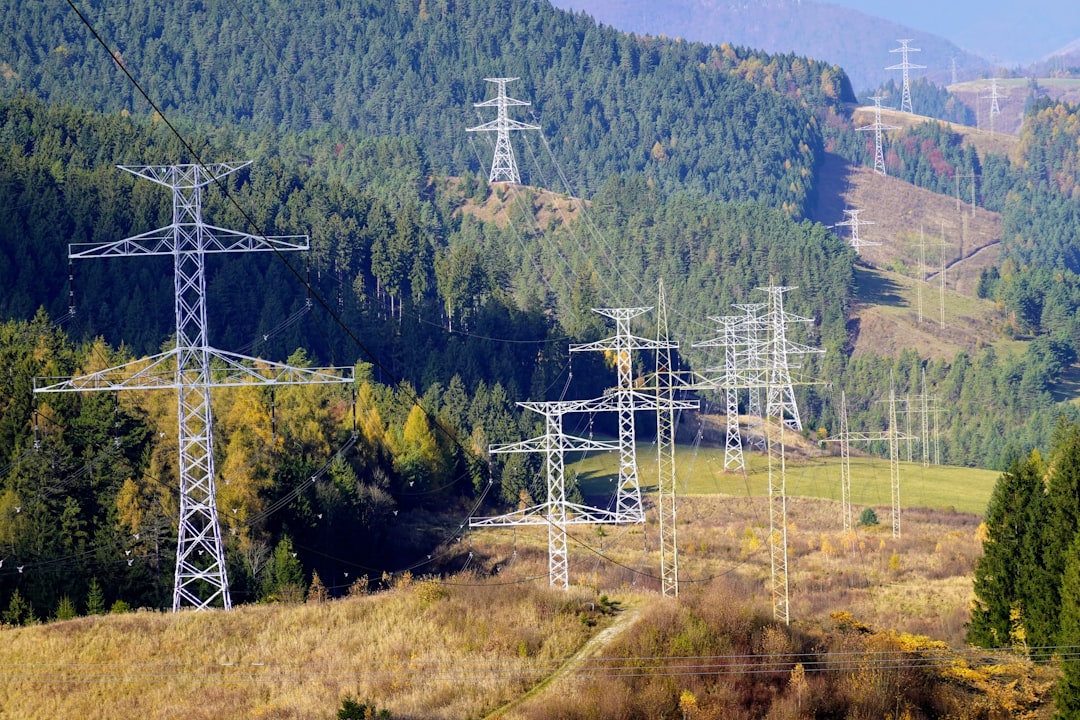
Brazil has unveiled the world's first ethanol-powered engine for grid electricity at the Suape II power plant, partnering with Wärtsilä. This initiative leverages Brazil's biomass wealth to diversify its energy matrix and potentially offer a dispatchable renewable power solution.
Brazil has launched a world-first ethanol-powered engine designed to supply electricity to the national grid, a significant development in the global biofuels sector. The engine, developed in partnership between Brazilian energy company Suape Energia and Finnish technology firm Wärtsilä, commenced operation at the Suape II power plant in Pernambuco. This initiative leverages Brazil's substantial biomass resources, aiming to diversify the country's energy matrix and explore novel applications for ethanol beyond transportation.
The project represents a strategic move by Brazil to capitalize on its domestic agricultural strength, particularly sugarcane production, for energy generation. If successful, the deployment of grid-scale ethanol engines could offer a dispatchable renewable energy source, potentially reducing reliance on fossil fuels for electricity generation. From an economic perspective, this innovation could stimulate further investment in Brazil's agricultural and industrial biofuel sectors, creating jobs and fostering technological advancements in biomass conversion.
Globally, this pilot project could serve as a model for other biomass-rich nations seeking to decarbonize their energy grids. The scalability and economic viability of this technology will be closely watched, as it could influence future energy infrastructure development and trade dynamics in biofuels. For Brazil, a successful demonstration could enhance its energy independence and position it as a leader in advanced biofuel applications, potentially impacting its balance of trade through reduced fossil fuel imports and increased biofuel exports or technology licensing opportunities.
Analyst's Take
While seemingly niche, this development signals a potential shift in the value proposition of agricultural commodities, specifically sugarcane, from fuel to a direct grid energy source. The market may be underestimating the long-term impact on global energy security and commodity pricing if this technology scales, particularly in reducing price volatility tied to traditional fossil fuels and establishing a 'bio-peaker plant' market.