MacroBBC BusinessJun 25, 2026· 1 min read
Ryanair Ends Child Seating Fees, Signifying Broader Regulatory Pressure
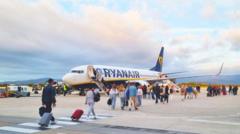
Ryanair has ceased charging parents to sit with children under 12, responding to regulatory pressure, notably from Spain's consumer affairs ministry. This policy shift impacts Ryanair's ancillary revenue and could influence pricing strategies across the European budget airline sector.
Ryanair, the low-cost European airline, has announced it will no longer charge parents to sit with their children aged 12 and under. Previously, the airline imposed an £8 fee per parent per leg for this service, a practice that drew criticism from consumer groups and national regulators. The policy change comes after a ruling from Spain's Ministry of Consumer Affairs, which mandated that airlines must provide free adjacent seating for children under 12 and dependent individuals. Similar regulatory pressure has been observed in other European jurisdictions.
This decision has direct financial implications for Ryanair's ancillary revenue stream, a significant contributor to its profitability model. While the airline has not disclosed the specific revenue generated from child seating fees, the blanket removal across its network will necessitate adjustments to its pricing strategy or operational cost structure to offset the loss. The move could also set a precedent for other budget carriers operating in the European market, potentially eroding a common source of additional income across the sector.
Economically, this represents a minor transfer of value from airline shareholders to consumers, particularly families. For individual households, the savings, though modest on a per-trip basis, could enhance disposable income or influence travel choices, potentially increasing demand for family travel. From a regulatory perspective, it highlights a growing trend of governmental intervention aimed at protecting consumers from perceived 'junk fees' within essential services, indicating a shift in the balance of power between airlines and their passengers.
Analyst's Take
While seemingly a consumer win, this regulatory intervention on 'junk fees' signals increasing governmental scrutiny that could extend beyond airlines to other service industries. This trend, if sustained, might reduce corporate agility in revenue optimization, potentially leading to more transparent but higher base prices as companies bake previously unbundled costs into core offerings, impacting overall market competitiveness.

