MarketsMarketWatchMay 7, 2026· 1 min read
Mortgage Rates Climb, Adding Pressure to Spring Housing Market
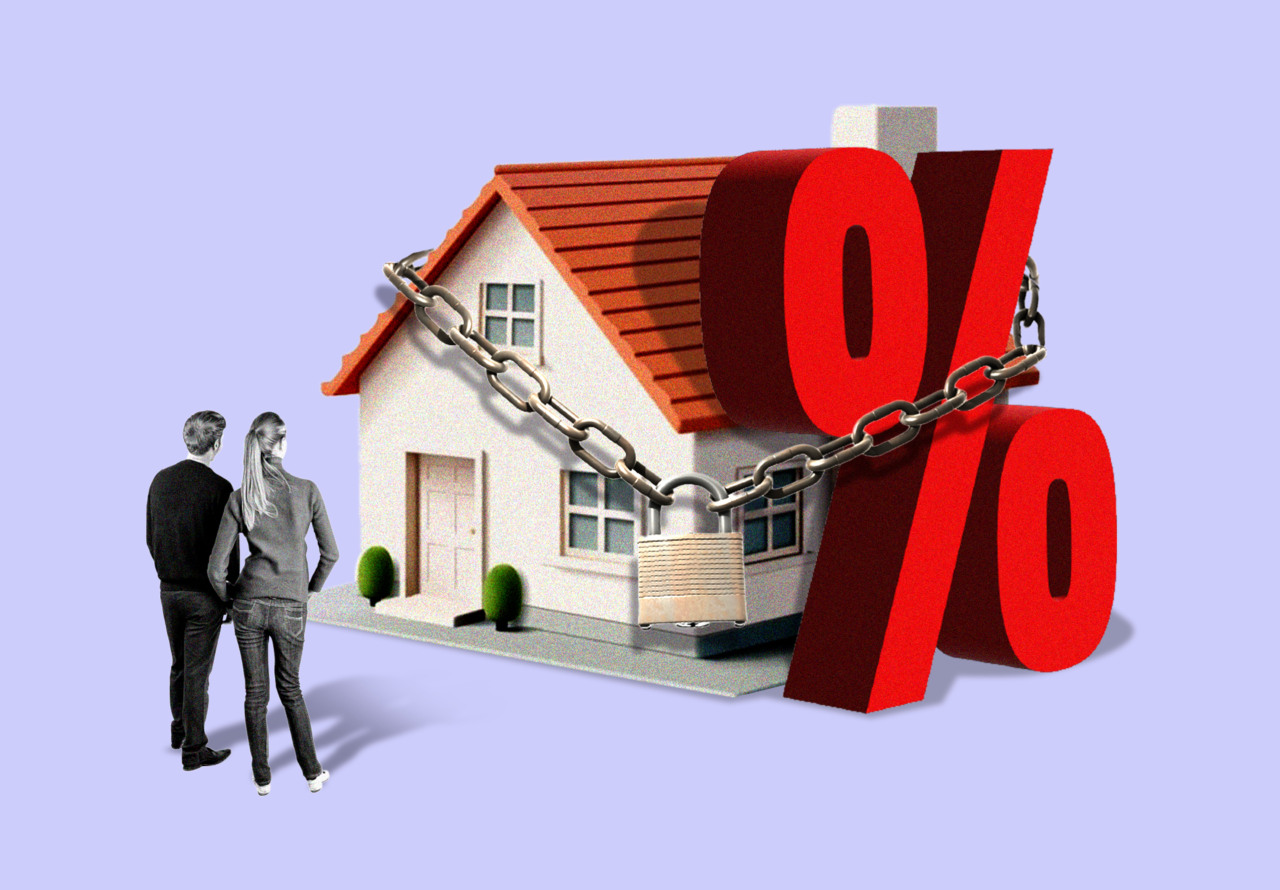
U.S. 30-year fixed mortgage rates rose to 6.37% on Thursday, intensifying affordability challenges for homebuyers during the spring season. This increase reflects broader market responses to the Federal Reserve's inflation-fighting monetary policy, impacting transaction volumes and home price growth.
U.S. average 30-year fixed mortgage rates increased to 6.37% on Thursday, reflecting ongoing volatility in the housing finance market. This latest rise comes amidst what analysts describe as a challenging spring home-buying season, traditionally a period of heightened activity. The persistent upward trajectory in borrowing costs is a key factor impacting housing affordability and demand.
The climb in mortgage rates directly affects prospective homebuyers by increasing monthly payments, potentially sidelining some buyers who are sensitive to budget constraints. This can lead to a softening in transaction volumes and exert downward pressure on home price appreciation in certain segments. From a broader economic perspective, rising mortgage rates are a direct consequence of the Federal Reserve's tighter monetary policy aimed at combating inflation. As the Fed continues to signal a hawkish stance, bond yields, which mortgage rates often track, tend to rise.
For homeowners, higher rates may disincentivize refinancing activity, effectively 'locking in' existing lower rates for those who secured them earlier. The ripple effect extends to the construction sector, as higher financing costs for new developments and reduced buyer demand could temper new home sales and construction starts. The housing market, a significant contributor to GDP, remains a critical barometer for economic health, and sustained high mortgage rates pose a headwind to its recovery and broader economic expansion.
Analyst's Take
While the immediate impact is on housing affordability, persistent high mortgage rates could trigger a delayed but significant shift in household balance sheets, particularly among recent buyers with adjustable-rate mortgages or those who stretched to afford fixed-rate loans. This dynamic could become a minor drag on consumer spending later this year as discretionary income is increasingly diverted to housing costs, potentially signaling a slight deceleration in sectors beyond real estate.


