MarketsMarketWatchJul 20, 2026· 1 min read
Wall Street Divided on Semiconductor Outlook Amidst AI Boom
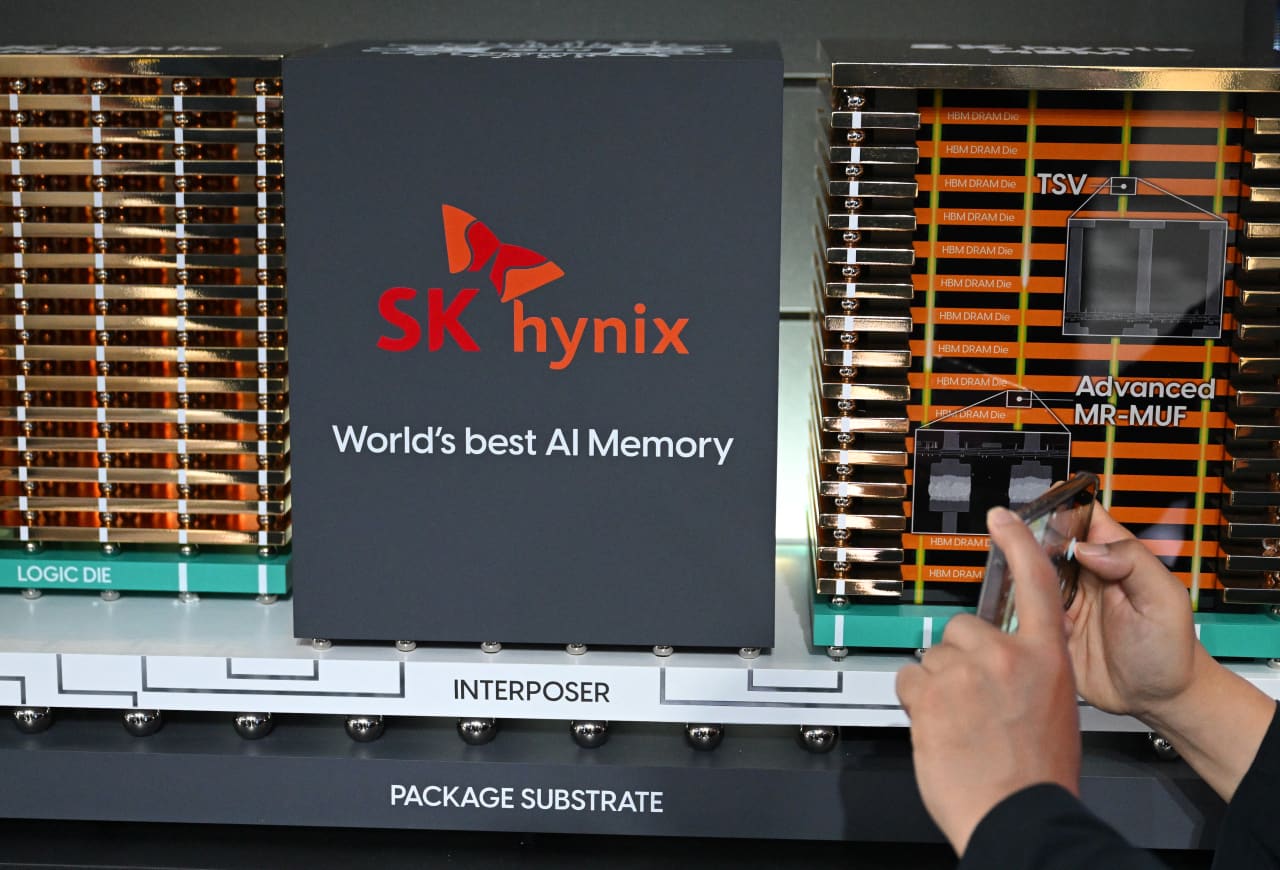
JPMorgan forecasts a summer buying opportunity for semiconductor stocks, while Morgan Stanley predicts a difficult period for the sector extending through 2026. This divergence reflects differing interpretations of future demand, supply dynamics, and economic conditions affecting the crucial chip industry.
The trajectory of semiconductor stocks, a key indicator for broader technology market health, is currently a subject of significant debate among leading Wall Street institutions. JPMorgan Chase analysts anticipate a compelling buying opportunity for chip equities emerging this summer, citing potential catalysts for a sector upswing. This outlook suggests a belief that current market valuations may not fully reflect future growth potential, particularly given sustained demand drivers.
Conversely, Morgan Stanley maintains a more cautious stance, projecting a challenging period for the semiconductor sector extending through the remainder of 2026. This assessment implies concerns about potential oversupply, pricing pressures, or a slowdown in key end markets that could impact chip manufacturers' profitability over a prolonged period. Such divergent viewpoints highlight the complex interplay of macroeconomic factors, technological advancements, and supply chain dynamics influencing the highly cyclical semiconductor industry.
The sector has experienced substantial volatility, driven by both robust demand from artificial intelligence (AI) and data center expansion, alongside lingering concerns over global economic slowdowns and inventory corrections in certain segments. The discrepancy in analyst expectations underscores the difficulty in accurately forecasting market movements for a sector that is both foundational to modern economies and highly susceptible to rapid technological shifts and capital expenditure cycles. Investors are left to weigh these conflicting signals as they consider allocations in this critical and often high-growth segment of the market.
Analyst's Take
While the immediate focus is on semiconductor stock price movements, the underlying divergence signals uncertainty in capital expenditure plans across the tech ecosystem. Should Morgan Stanley's cautious view materialize, a slowdown in chip sales could presage broader decelerations in enterprise IT spending and AI infrastructure build-outs beyond the immediate hype, potentially impacting cloud providers and software companies by late 2025 as large-scale deployments are re-evaluated.


