MacroBBC BusinessJun 11, 2026· 1 min read
UK Hospitality Sector Grapples with Shifting Consumer Spending Habits
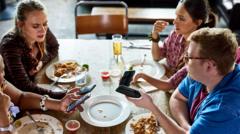
UK consumers are increasingly opting for individual bill payments over equal splitting in hospitality venues, signaling a broader response to cost-of-living pressures and inflation. This shift demands operational adjustments from restaurants and bars, impacting POS systems, staff training, and menu pricing strategies.
The UK's hospitality sector is experiencing a subtle but significant shift in consumer behavior, as diners increasingly scrutinize individual spending rather than defaulting to equal bill splitting. This trend, while seemingly minor, reflects broader economic pressures on households and is prompting restaurants and bars to adapt their service models.
Industry observers note that inflation and persistent cost-of-living concerns are driving a more conscious approach to discretionary spending. Consumers are becoming more deliberate about what they consume, opting for specific items or smaller quantities to manage their individual outlays. This contrasts with previous periods where a more relaxed attitude towards shared dining expenses was common.
For businesses, this translates into potential operational adjustments. Restaurants may need to refine their point-of-sale systems to handle complex split bills more efficiently, potentially increasing staff training requirements and transaction times. Furthermore, menu pricing strategies might evolve to better cater to individual budgets, possibly leading to more à la carte options or varied portion sizes.
While direct revenue impacts are still being quantified, the shift suggests a heightened sensitivity to price points and value perceptions within the dining experience. Establishments that can seamlessly accommodate these evolving consumer preferences, perhaps through technological solutions or flexible service policies, may gain a competitive edge. Conversely, those slow to adapt could see reduced customer satisfaction or even a decline in repeat business as diners seek venues that align with their updated spending habits. This micro-trend underscores the ongoing adaptation required across the hospitality industry in response to prevailing economic headwinds.
Analyst's Take
This seemingly trivial behavioral change acts as a leading indicator of sustained consumer caution and a retreat from aspirational spending, likely preceding a more pronounced slowdown in discretionary expenditure across other retail sectors. The friction introduced by complex bill splitting could marginally reduce dining frequency, subtly pressuring sector-wide revenue growth beyond what current inflation figures suggest.

