EnergyOilPrice.comJul 18, 2026· 1 min read
European Heatwave Disrupts Energy, Shipping, Raising Economic Concerns
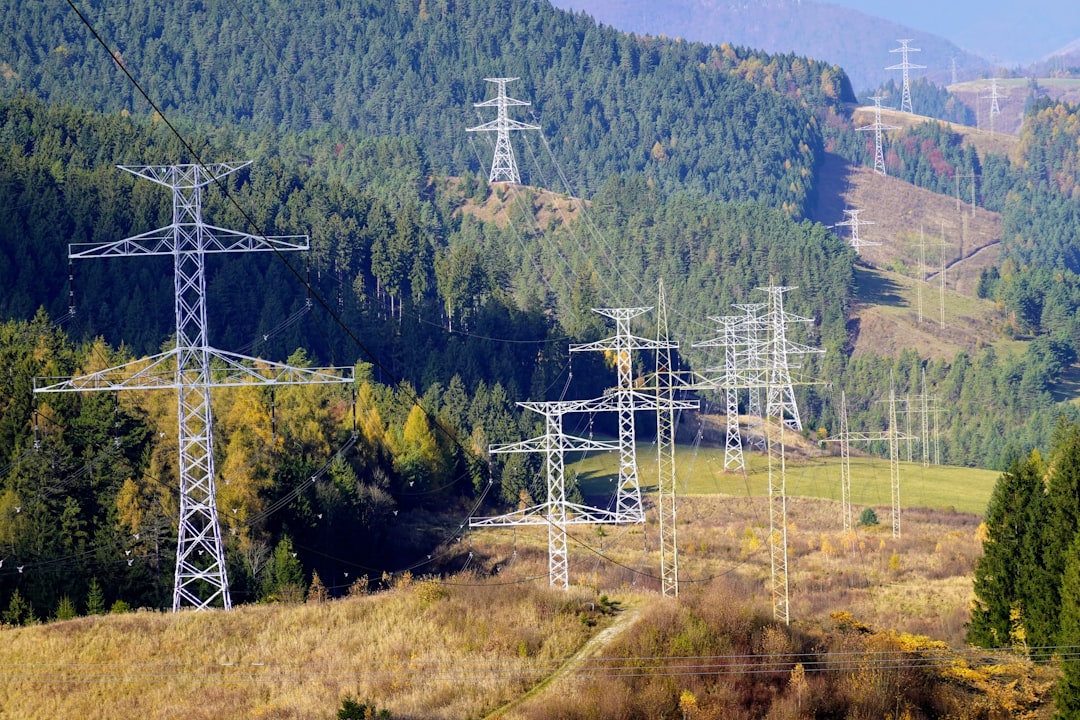
An intense early summer heatwave in Europe is causing low river levels, disrupting energy production and inland shipping routes. This situation is elevating transportation costs, impacting industrial supply chains, and threatening power grid stability across the continent.
Europe's early summer heatwave is intensifying, creating significant economic disruptions across the continent. Record temperatures, particularly in major economies like Germany and France since June, have led to reduced rainfall and critically low water levels in key rivers. This situation is directly impacting energy infrastructure and crucial supply chains.
The dwindling water levels in major rivers are hindering energy deliveries and power generation. Thermal and nuclear power plants, which rely on river water for cooling, face operational challenges, including potential output reductions or shutdowns. Furthermore, hydropower generation is diminished due to lower water availability. The combined effect could strain Europe's electricity grids and potentially increase reliance on other, possibly more expensive, energy sources.
Beyond power generation, the navigation of inland waterways, vital for freight transport, is severely restricted. Barges, which typically move substantial volumes of commodities, fuels, and industrial goods, are forced to reduce their cargo loads to navigate shallower channels. This constraint increases transportation costs and delays, creating bottlenecks in supply chains already strained by previous global events. Industries reliant on these riverine logistics, from manufacturing to agriculture, face increased operational expenses and potential production delays. The prolonged nature of these conditions suggests a sustained impact on industrial output and consumer prices across the region.
Analyst's Take
The immediate economic impact is higher logistical costs and potential power curtailments, but the underlying concern is how this exacerbates inflationary pressures, particularly in Germany's industrial heartland, which relies heavily on the Rhine. We should anticipate a subtle but sustained uptick in producer price indices in affected regions, potentially delaying any disinflationary trends central banks are monitoring.