MarketsMarketWatchJun 19, 2026· 1 min read
Fed Chair Signals Hawkish Stance, Diverging from Prior Administration's Preference
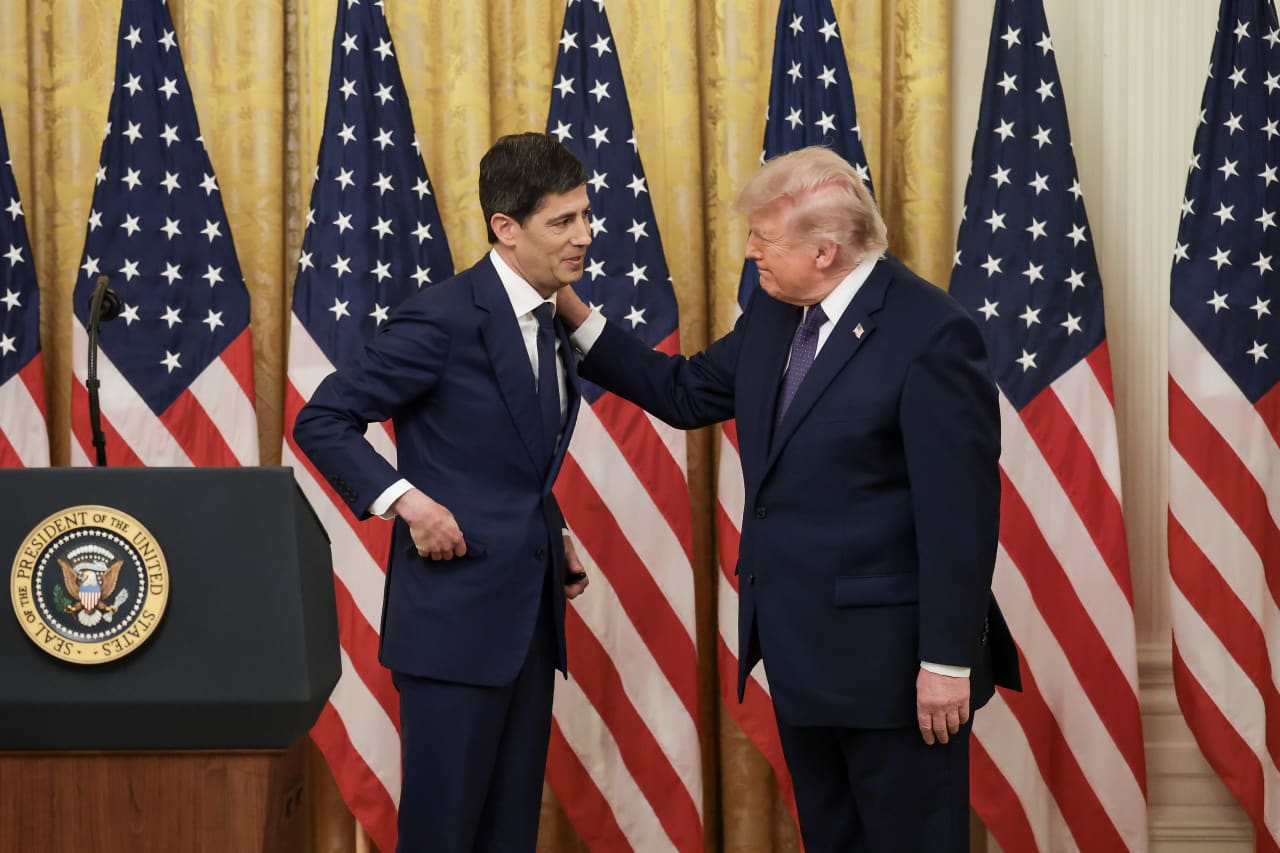
Federal Reserve Chair Jerome Powell has signaled a hawkish monetary policy stance, prioritizing inflation control over immediate rate cuts. This position contrasts with the prior administration's reported preference for lower interest rates and indicates a sustained period of restrictive monetary conditions.
Federal Reserve Chairman Jerome Powell recently communicated a hawkish outlook, signaling a potential divergence from the monetary policy preferences of the previous administration. While former President Donald Trump had reportedly considered Kevin Warsh, known for his inclination towards lower interest rates, for the Fed chairmanship, Powell's current rhetoric suggests a different trajectory.
Powell's statements indicate a sustained commitment to combating inflation, even if it entails maintaining a restrictive monetary policy for a longer duration than some market participants or political factions might desire. This hawkish stance implies that the era of ultra-low interest rates and quantitative easing, which characterized much of the post-2008 financial crisis period, is unlikely to return in the near term. The Fed appears poised to prioritize price stability, potentially through further rate hikes or by holding rates at elevated levels for an extended period.
The economic implications are significant. Businesses reliant on cheap credit for expansion and investment may face higher financing costs, potentially dampening capital expenditure and hiring. Consumers could experience increased borrowing costs for mortgages, auto loans, and credit cards, impacting discretionary spending and housing market activity. For investors, a hawkish Fed generally translates to a more challenging environment for equity markets, particularly growth stocks, as higher discount rates reduce the present value of future earnings. Conversely, bond yields may remain elevated, offering more attractive returns for fixed-income investors but posing headwinds for bond prices. The dollar could also strengthen as higher U.S. interest rates attract global capital, impacting international trade and corporate earnings for multinational firms. The central bank's focus on inflation control suggests a readiness to endure some economic slowdown to achieve its mandate, setting the stage for a period of cautious economic management.
Analyst's Take
The market may be underestimating the stickiness of core services inflation, leading to a mispricing of the Fed's terminal rate. While headline inflation has receded, wage growth pressures in the services sector suggest the Fed might need to maintain higher rates for longer than currently priced in by short-term bond futures, potentially leading to a repricing of the yield curve later in the year as economic data continues to roll in.


