MarketsMarketWatchJun 22, 2026· 1 min read
Uninsured Damage: The Hidden Costs of Hospitality
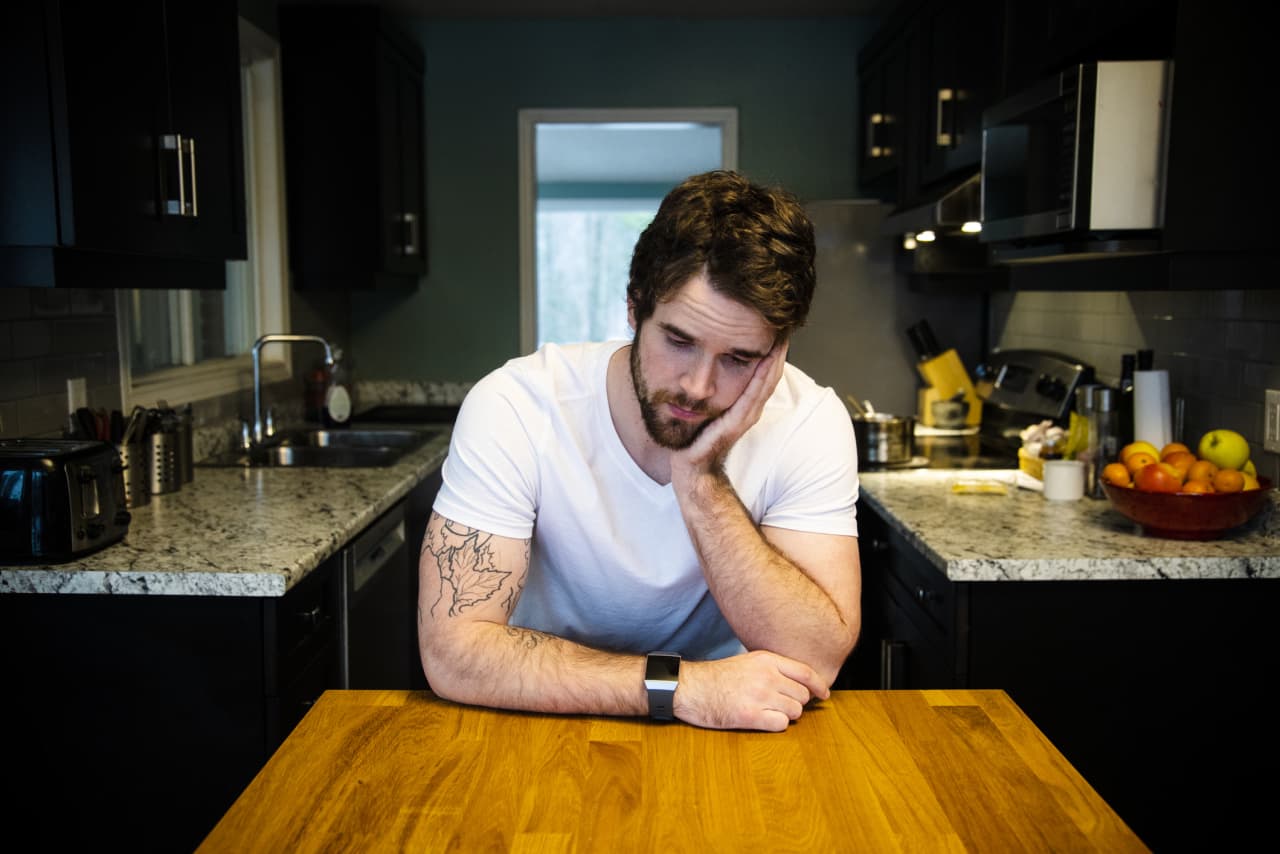
A MarketWatch report on a homeowner discovering heat marks on a table left by a houseguest highlights the unexpected financial burden of uninsured property damage. This incident underscores broader economic implications for both private homeowners and short-term rental operators, encompassing direct repair costs and potential asset value depreciation.
A recent anecdote from MarketWatch highlights the often-overlooked financial implications of property damage by houseguests. While the immediate focus is on a host's frustration over heat marks on a table, the situation underscores broader economic considerations for homeowners and short-term rental operators.
Damage incurred by guests, whether accidental or negligent, presents a direct unbudgeted cost to property owners. For individual homeowners, these costs range from minor repairs to significant replacements, potentially impacting personal savings or requiring out-of-pocket expenses not covered by standard homeowner's insurance policies, which typically exclude damage caused by guests unless specific endorsements are purchased. The 'unmentioned' nature of the damage in this case further complicates resolution, as it removes the opportunity for immediate assessment or a more amicable agreement.
In the context of the burgeoning short-term rental market, such incidents translate into direct revenue losses through repair costs and potential downtime of the property. Platforms like Airbnb and Vrbo offer host protection programs, but these often have specific terms, conditions, and claim processes that may not cover all types of damage or the full extent of losses. Property owners in this sector often factor potential damages into their pricing or require security deposits, but even these measures may not fully mitigate the financial impact of extensive or recurring issues.
The economic implication extends beyond direct repair costs to the broader erosion of asset value and the psychological cost of dispute resolution. For consumer spending, unexpected property damage expenses can divert funds from other areas, potentially slowing discretionary spending. This seemingly minor domestic incident, therefore, reflects a microeconomic challenge with implications for personal finance, property maintenance, and the operational economics of the sharing economy.
Analyst's Take
This seemingly trivial incident points to a rising 'micro-insurance gap' in the sharing economy; as informal hospitality grows, standard insurance products are ill-equipped for guest-induced property damage, potentially increasing out-of-pocket costs for hosts and subtly impacting consumer discretionary spending as repair budgets grow. The market may be underpricing the long-term wear and tear on personal assets used for short-term revenue.


