MarketsMarketWatchJul 1, 2026· 1 min read
U.S. Manufacturing Expands for Sixth Consecutive Month Amid Headwinds
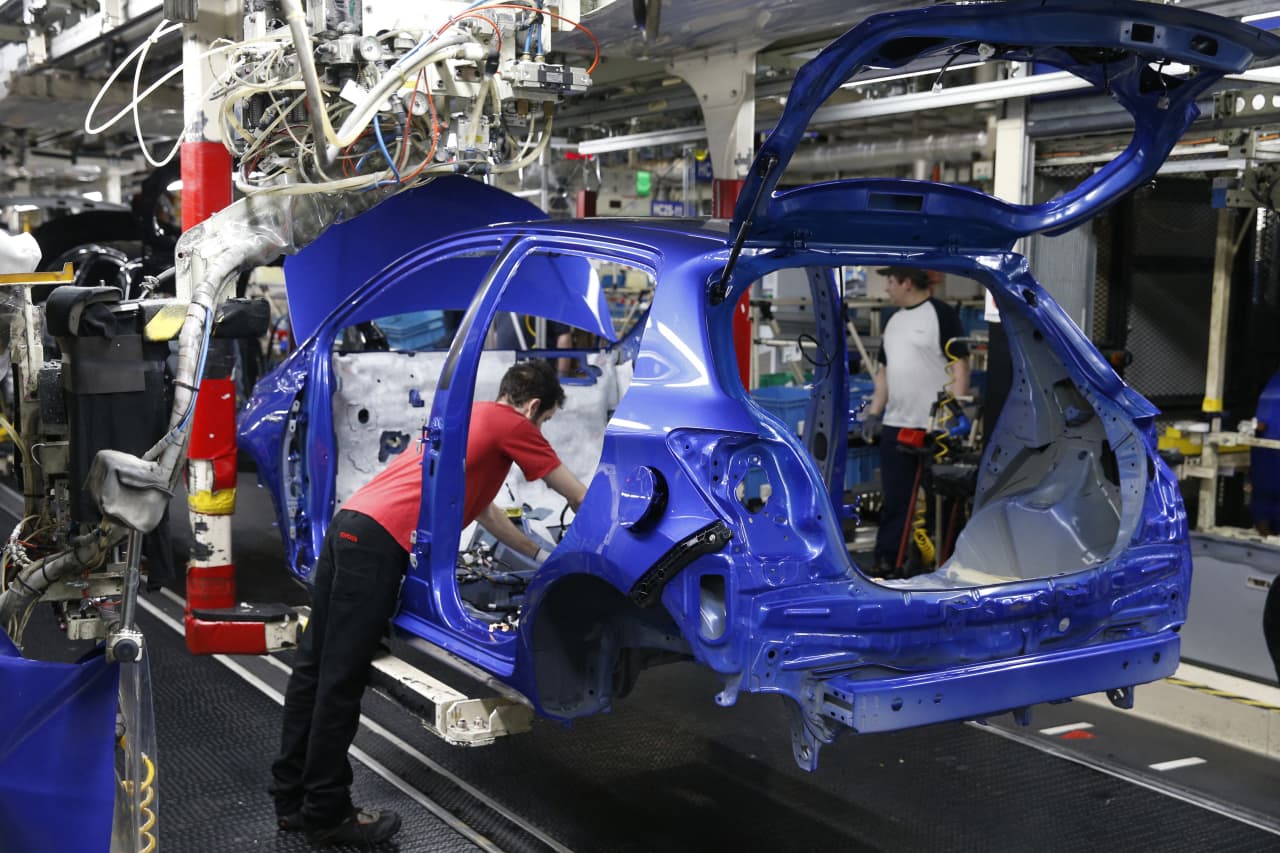
U.S. manufacturing activity grew for the sixth consecutive month in June, achieving its longest streak in four years. This expansion occurred despite significant economic headwinds including high U.S. tariffs, elevated oil prices, and rising inflation.
U.S. manufacturing activity continued its upward trajectory in June, marking the sector's sixth consecutive month of growth. This sustained expansion represents the longest growth streak for American manufacturers in four years, according to recent data. The positive trend emerges despite a challenging global economic landscape.
Manufacturers have navigated a series of significant economic headwinds over the past half-year. These include the ongoing impact of elevated U.S. tariffs, which increase input costs and complicate supply chains. Geopolitical tensions, notably a hypothetical conflict with Iran, have also contributed to market uncertainty, potentially impacting energy prices and international trade routes. Furthermore, domestic economic conditions have presented obstacles, with a notable spike in oil prices translating to higher operational costs for many industrial firms, and persistent inflation eroding purchasing power and profit margins.
Despite these formidable challenges, the manufacturing sector has demonstrated resilience and adaptability. The sustained growth indicates a robust underlying demand for manufactured goods, or perhaps a successful strategic pivot by companies to mitigate external pressures. This continuous expansion contributes positively to overall economic sentiment and employment figures within the industrial segment, offering a counterpoint to broader concerns about inflation and geopolitical instability.
Analyst's Take
The sustained manufacturing growth, particularly amidst geopolitical and inflationary pressures, suggests a degree of domestic demand resilience or inventory rebuilding that may be overlooked. This could indicate sticky inflation beyond energy and food, as industrial input costs translate to final goods, warranting close observation of producer price indices in the coming months.


