MarketsMarketWatchApr 27, 2026· 1 min read
United CEO Defends Merger Strategy Amidst American Airlines Pushback
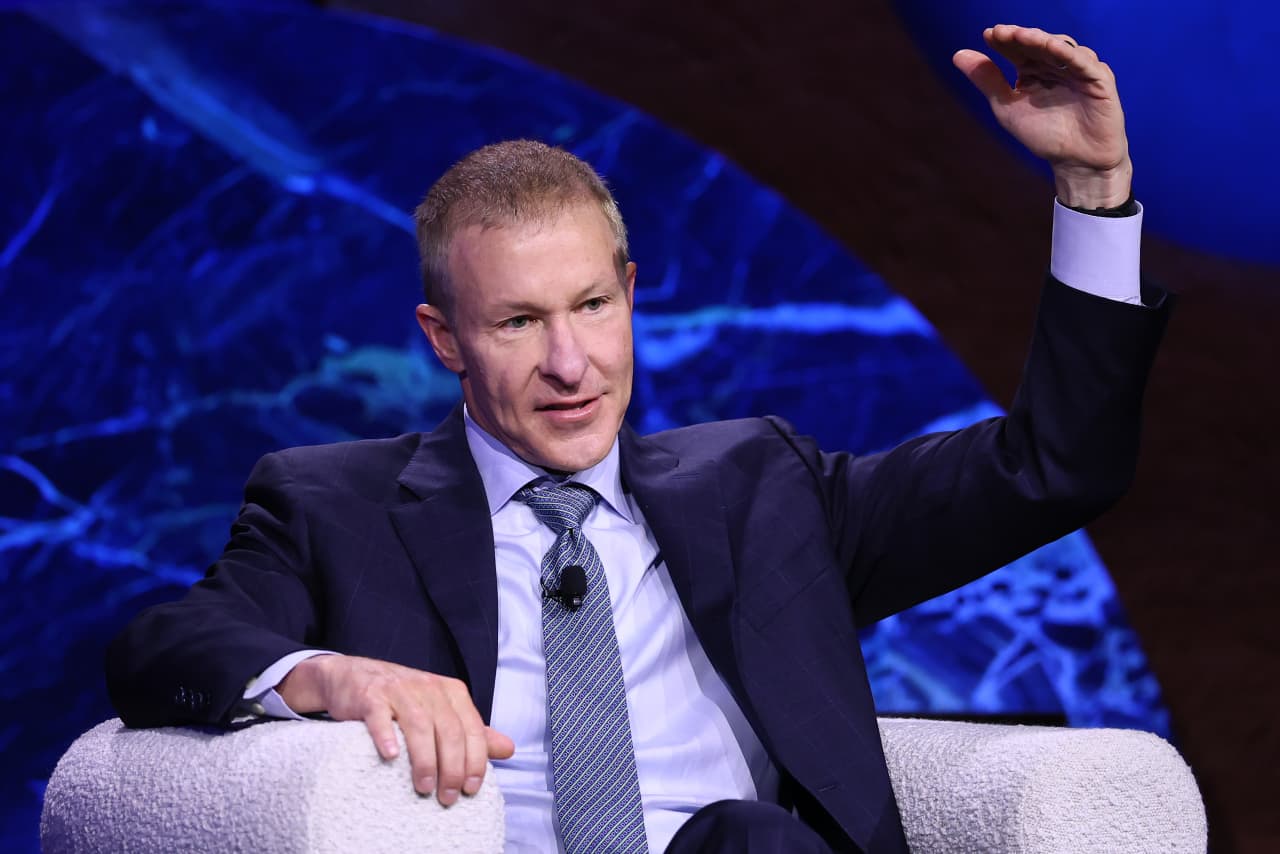
United Airlines CEO Scott Kirby confirmed an end to immediate merger talks with American Airlines, defending his strategic rationale for pursuing such discussions. The cessation of these high-level talks highlights ongoing consolidation pressures within the airline industry, despite competitive and regulatory hurdles.
United Airlines CEO Scott Kirby has confirmed the cessation of immediate merger discussions with American Airlines, while steadfastly defending the economic rationale behind such overtures. The brief exploration of consolidation, though now paused, underscores a broader strategic calculus within the airline industry as carriers navigate evolving market dynamics and competitive pressures.
Kirby's defensive stance suggests an ongoing internal assessment of potential pathways to enhance shareholder value and operational efficiencies. While specific financial terms or proposed structures of the aborted talks were not disclosed, the mere initiation of such high-level discussions between two major legacy carriers points to a persistent drive for scale and synergy within a capital-intensive sector.
The airline industry has historically pursued consolidation as a means to rationalize capacity, optimize route networks, and potentially gain pricing power. However, such moves often face intense scrutiny from regulators and competitive pushback from rivals. American Airlines' reported resistance likely centered on market share implications, route overlap, and potential anti-trust concerns that could arise from a combination of two of the largest U.S. carriers.
The temporary halt in talks does not necessarily signal a definitive abandonment of future consolidation ambitions by United, or indeed the wider industry. Instead, it may reflect a recalibration of strategy, an assessment of regulatory appetite, or a recognition of immediate insurmountable obstacles. For investors, the episode highlights the underlying strategic pressures on airline management to seek growth and efficiency in a volatile operating environment, even if direct merger pathways prove challenging in the short term. The focus will now shift to individual organic growth strategies and capital allocation decisions by both United and American.
Analyst's Take
While the immediate merger talks have stalled, the CEO's defense signals an increasing acknowledgment of potential network inefficiencies and the looming capital expenditure cycle for fleet upgrades. This initial probing may presage a shift towards more targeted, possibly international, joint ventures or asset swaps designed to circumvent direct antitrust scrutiny, rather than a complete dismissal of further industry rationalization efforts in the next 12-18 months.


