EnergyOilPrice.comJul 2, 2026· 1 min read
Japanese Banks Back India's Power Grid Expansion with $496M Investment
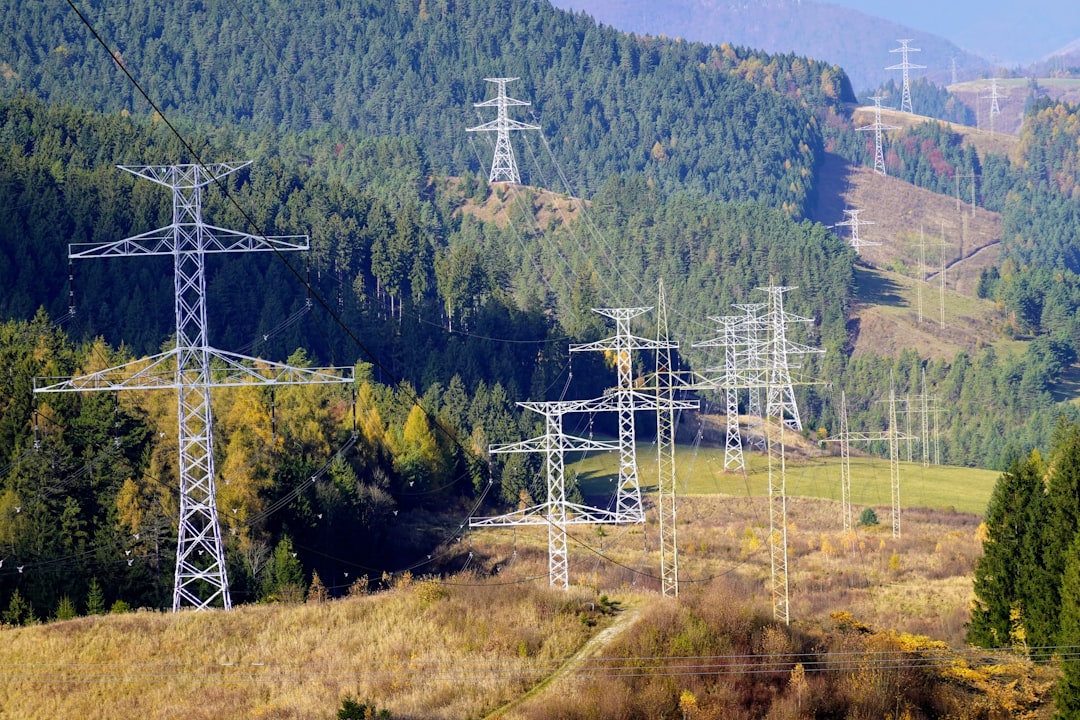
Japanese banks are committing $496 million to finance a major high-voltage direct current (HVDC) power transmission project in India. This investment, made under a new Asian energy cooperation framework, aims to expand and enhance India's state-owned power grid infrastructure.
Japanese financial institutions are committing significant capital to bolster India's critical power transmission infrastructure. A consortium of banks, including Sumitomo Mitsui Banking Corp (SMBC), Kansai Mirai Bank, and the state-backed Japan Bank of International Cooperation (JBIC), is providing syndicated financing totaling approximately $496 million (80 billion yen) for a high-voltage direct current (HVDC) transmission project.
This investment falls under a new Asian framework for energy cooperation, underscoring a growing trend of regional collaboration on infrastructure development. The funds are earmarked for a project led by India's state-owned power transmission company, aimed at enhancing the efficiency and capacity of the national grid. Such HVDC projects are crucial for long-distance bulk power transmission with minimal losses, facilitating better energy distribution across India's diverse and rapidly expanding economy.
The financing package represents a strategic move by Japanese banks to tap into India's burgeoning energy sector and support its ambitious economic growth targets. For India, this foreign direct investment is vital for reducing energy deficits, improving grid stability, and supporting industrial and residential power demand. Reliable and expanded power infrastructure is a fundamental prerequisite for sustained economic development, attracting further investment, and improving productivity.
Economically, this capital injection can contribute to job creation in the infrastructure sector and stimulate demand for related goods and services. Furthermore, a more robust power grid can reduce operational costs for businesses reliant on electricity, potentially enhancing their competitiveness and fostering broader economic growth. The long-term implications include improved energy security for India and a deepening of economic ties between Japan and India.
Analyst's Take
While seemingly a straightforward infrastructure investment, this move signals Japan's proactive strategy to secure influence and commercial opportunities in key emerging markets like India, particularly as global supply chains and energy security become paramount. The syndicated nature of the loan, involving both state-backed and commercial Japanese banks, suggests a coordinated national effort, potentially foreshadowing similar multi-bank financing deals in other strategic sectors or countries within the region, rather than isolated transactions.