EnergyOilPrice.comJun 23, 2026· 1 min read
UK Confirms Sufficient Winter Electricity Amid Global Energy Market Flux
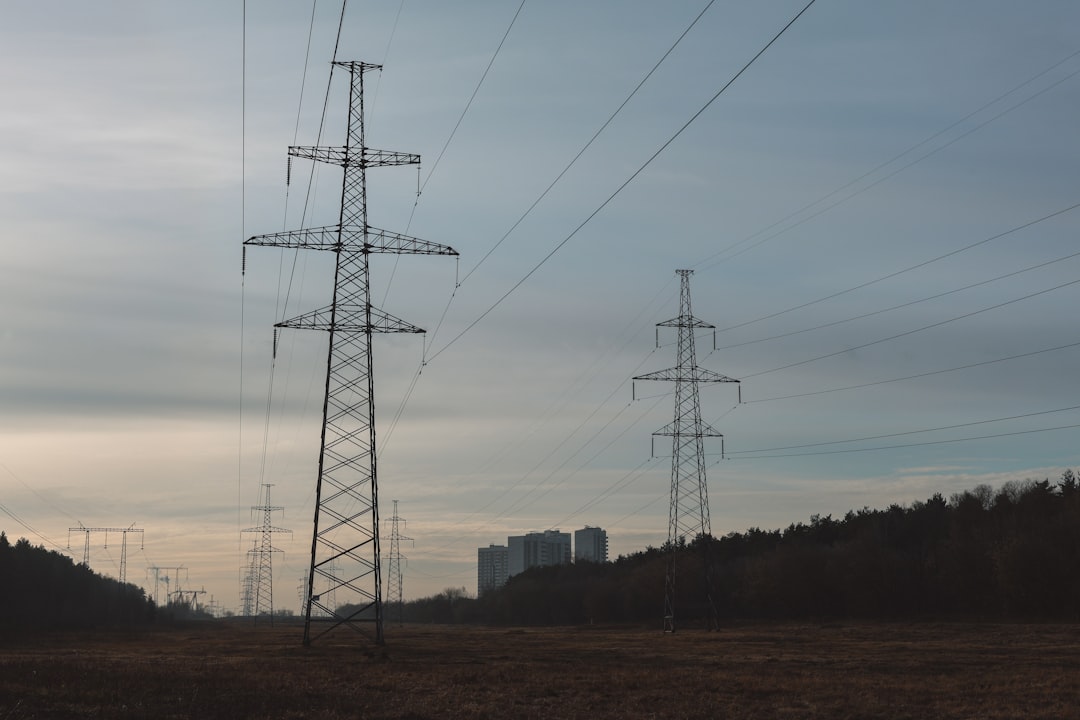
The UK's National Energy System Operator (NESO) has confirmed ample electricity supply for the upcoming winter, despite global energy market turbulence and geopolitical events like the Strait of Hormuz crisis. This assurance aims to stabilize domestic energy expectations amid the UK's growing reliance on imported fossil fuels.
The United Kingdom's National Energy System Operator (NESO) has affirmed the country possesses adequate electricity supply to meet winter demand, despite ongoing volatility in global energy markets. This assurance comes even as geopolitical tensions, such as the Strait of Hormuz crisis, continue to influence international energy prices and availability.
NESO's head of whole energy system resilience, Deborah Petterson, stated, "While we will continue to monitor global energy markets, households and businesses can be confident that electricity supplies remain secure." This statement aims to alleviate concerns about potential energy shortages and price spikes that have been a recurring theme in the European energy landscape, particularly since the 2022 energy crisis. The UK's energy security has become a heightened focus due to its increasing reliance on imported oil and gas in recent years. This dependency is a consequence of sustained policy decisions by successive governments that have impacted domestic energy production capabilities.
The confirmation of sufficient electricity supply suggests that the UK's strategic reserves, import agreements, and operational grid management are robust enough to navigate current market uncertainties. Economically, this reduces the immediate risk of energy rationing or significant industrial curtailments that could impede economic activity. It also provides a degree of stability for business operational planning and consumer budgeting, buffering against the direct impact of global supply disruptions on domestic power availability.
Analyst's Take
While reassuring for immediate winter stability, this news subtly highlights the UK's ongoing structural vulnerability due to increasing import dependency. The market may be overlooking that sustained geopolitical friction, even if not directly causing immediate shortages, consistently pushes up the marginal cost of energy over time, eventually translating into higher long-term inflation and diminished industrial competitiveness, well before actual supply cuts become apparent.