MarketsMarketWatchJun 6, 2026· 1 min read
Luxury Market Signals Shifting Consumer Behavior Amid Economic Uncertainty
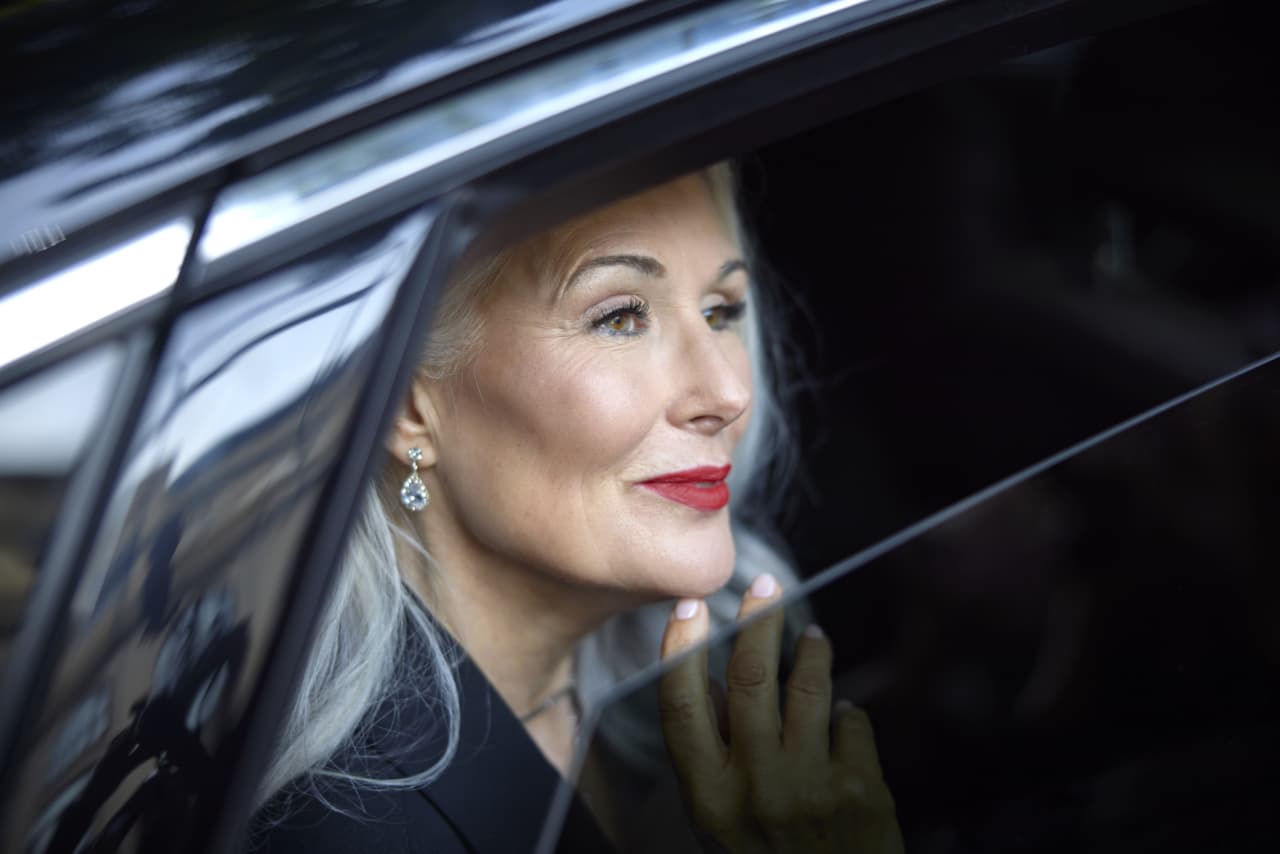
Anecdotal reports suggest affluent consumers are increasingly reluctant to display high-value jewelry in public, signaling a potential shift in luxury consumption patterns. This behavior may reflect heightened economic anxiety, impacting future demand for high-end goods and wider discretionary spending.
Anecdotal evidence from high-net-worth individuals suggests a notable shift in consumer behavior, specifically a reluctance to display high-value luxury items like jewelry in public settings. This trend, observed across various social events and gatherings, may reflect broader economic anxieties influencing discretionary spending and consumption patterns.
Historically, luxury goods sales have often served as a bellwether for consumer confidence, particularly among affluent demographics. A decline in visible luxury consumption, even if not yet fully reflected in sales data, could indicate a precautionary saving mindset or a reevaluation of spending priorities. This caution might stem from ongoing inflationary pressures, geopolitical instability, or a general sense of economic unease.
Economically, a sustained reduction in visible luxury consumption could have several implications. For the luxury retail sector, it might signal a future dampening of demand, potentially impacting sales volumes and profit margins for high-end brands. Furthermore, if this behavior permeates wider consumer segments, it could contribute to a broader slowdown in discretionary spending, affecting sectors beyond just luxury goods.
Conversely, some analysts suggest this trend could also represent a shift towards more discreet luxury consumption or an investment in alternative assets, rather than a complete withdrawal from the luxury market. However, the current anecdotal observations point towards a more fundamental change in how consumers perceive and interact with their wealth in public. Monitoring official retail sales data for luxury goods and broader consumer sentiment indices will be crucial in determining the ultimate economic impact of this evolving social phenomenon.
Analyst's Take
While seemingly a niche observation, this 'bling avoidance' could be an early, subtle indicator of increasing wealth inequality perception and social pressure, rather than just economic fear. This may lead to a bifurcation in the luxury market where ultra-high net worth individuals continue private consumption, while publicly visible luxury brands experience a 'stealth wealth' trend, potentially impacting their marketing strategies and inventory cycles much sooner than reported earnings suggest.


